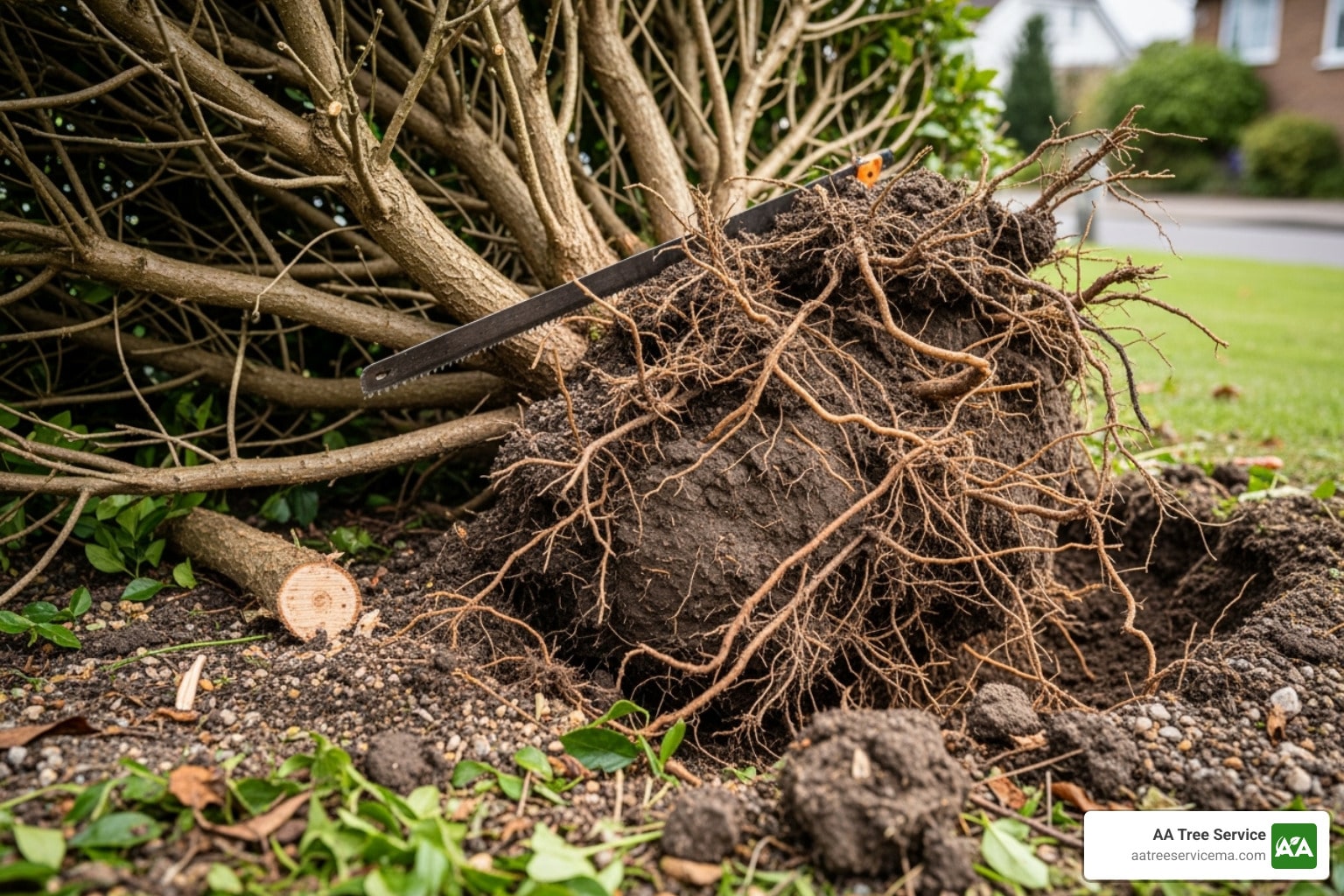
Transform Your Outdoor Space: When Overgrown Shrubs Need to Go
Shrubs are the backbone of a well-designed landscape, providing structure, privacy, and year-round visual interest. However, when they become overgrown, diseased, or simply out of place, they can detract from your property’s beauty and even pose risks. Shrub removal companies specialize in the safe and complete extraction of these unwanted bushes, transforming your outdoor space and paving the way for a fresh start. Whether you’re looking to enhance curb appeal, mitigate foundation risks from invasive roots, clear away dead vegetation that has become a fire hazard, or prepare for a new landscaping project, professionals have the tools and expertise to handle the entire process, from careful extraction to meticulous cleanup.
Top reasons to hire a shrub removal company:
- Safety: Professionals use specialized equipment and proven techniques to remove large, heavy shrubs without causing personal injury or damage to your home, lawn, or nearby plants.
- Complete Removal: They don’t just cut the shrub at the base; they extract the entire root system, which is crucial for preventing regrowth and eliminating underground obstacles.
- Time Savings: A task that could consume your entire weekend, involving strenuous labor and multiple trips for debris disposal, can be completed by an experienced crew in just a few hours.
- Proper Disposal: Professionals efficiently haul away all green waste, often converting it to beneficial mulch or ensuring it is disposed of in an environmentally responsible manner.
- Cost-Effective: While there’s an upfront cost, it often proves more economical than renting expensive equipment like stump grinders, paying for disposal fees, and risking costly property damage.
Average shrub removal costs (based on internet data, not AA Tree Service pricing):
- Small shrubs (1-2 ft): $30 – $150
- Medium shrubs (2-4 ft): $50 – $300
- Large shrubs (4-6 ft): $100 – $450
- Very large shrubs (6+ ft): $150 – $1,050
Hourly rates for a crew typically range from $25 to $225, depending on the team’s size, the equipment required, and your specific location.
This comprehensive guide will walk you through everything you need to know about shrub removal in Massachusetts and New Hampshire. We’ll cover how to identify problem shrubs, the pros and cons of DIY versus professional services, what to expect during the removal process, and how to choose the right company to get the best value for your investment.
Why and When to Remove Shrubs from Your Property
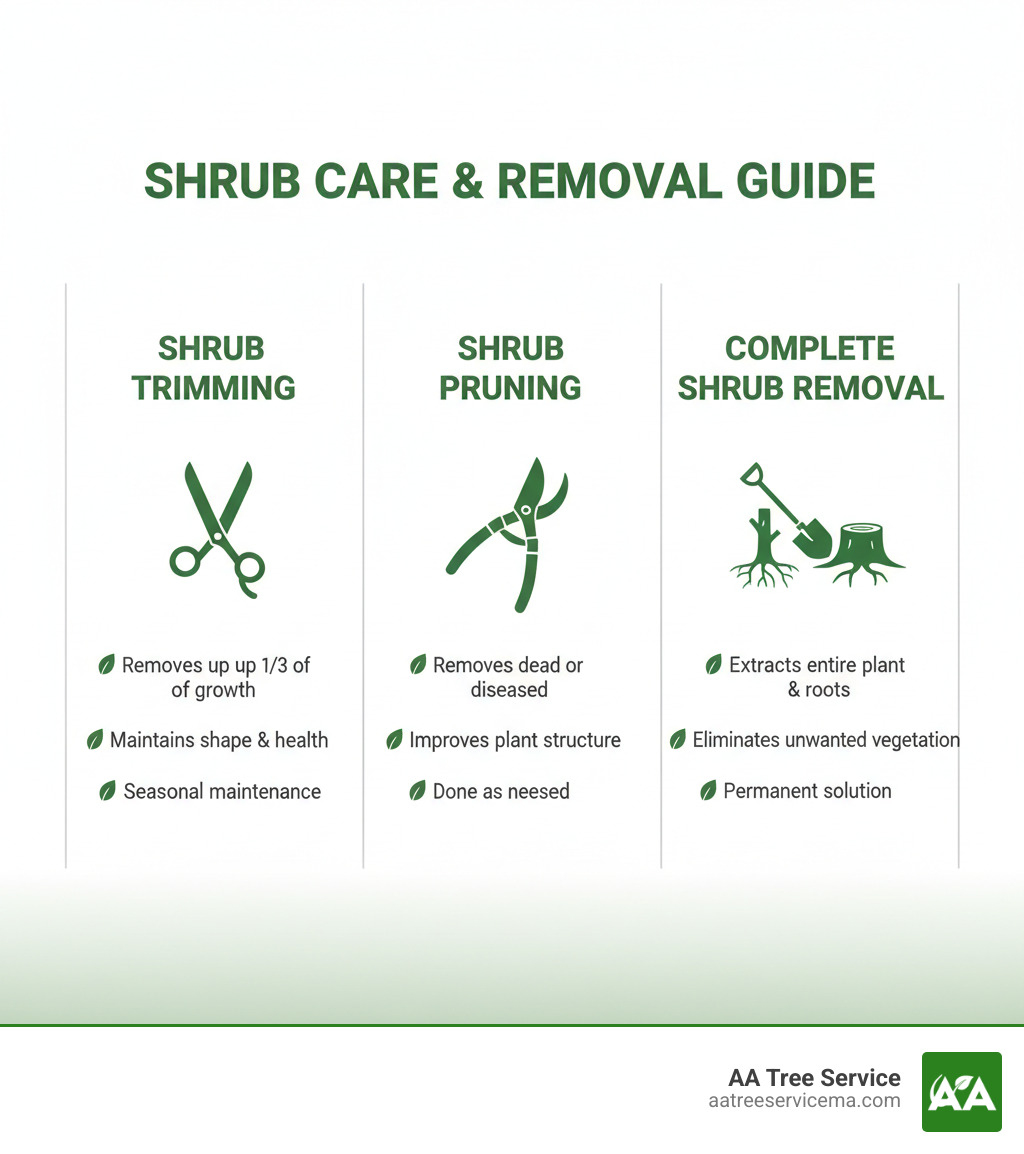
Shrubs add privacy, color, and polish to our yards, but there comes a time when they outlive their purpose or become a liability. Shrub removal is the complete and permanent extraction of a bush, including its stump and root system. This is fundamentally different from trimming or pruning, which are maintenance activities designed to preserve the plant’s health and shape. Removal is the definitive solution for a plant that has become a problem.
Reasons for removal often extend far beyond simple aesthetics. While an overgrown, misshapen, or outdated shrub can certainly make a property look neglected and decrease its curb appeal, the more pressing concerns are often related to safety and property integrity. Shrubs can pose significant safety hazards by blocking sightlines at the end of a driveway, obscuring entryways, or creating tripping hazards on walkways.
Dead, dry shrubs can become a serious fire risk, especially during dry spells. Furthermore, they can provide shelter for pests like rodents and ticks, bringing them uncomfortably close to your home. If shrubs are planted too close to your house, their expanding root systems can infiltrate and crack foundations, sidewalks, and underground pipes, leading to expensive structural repairs. A diseased or pest-infested shrub can also act as a contagion, quickly spreading problems to the rest of your valuable landscape, making swift removal a crucial step in protecting your other plants.

Telltale Signs a Shrub Needs Removal
How do you know if a shrub has crossed the line from asset to liability? Look for these clear warning signs:
- Sudden leaning: A shrub that begins to tilt unexpectedly may have a compromised root system. This can be caused by root rot from overly saturated soil, underground erosion, or physical damage to the roots.
- Visible root decay: Healthy roots are typically firm and light-colored. If you can see roots at the base that are mushy, dark, brittle, or have a foul odor, it’s a definitive sign of decay. The presence of mushrooms or other fungal growth near the shrub’s base is another strong indicator of a problem below the surface.
- Structural damage: Look for deep cracks or splits in the main trunk or major stems. This indicates internal weakness and means the shrub could easily break apart during a storm, potentially causing damage.
- Bare patches or lack of growth: If a deciduous shrub fails to leaf out in the spring, or if an evergreen develops large, persistent brown or bare spots, it’s likely dying or already dead. A healthy shrub should have relatively consistent growth.
- Severe pest or disease damage: If more than 25-50% of the shrub is visibly affected by pests (like scale insects or spider mites) or a disease (like powdery mildew or fire blight), and treatments have been ineffective, recovery is unlikely. At this point, removal is often the best way to prevent it from spreading.
- Problematic location: A shrub that was small when planted may have grown too large for its spot. If it’s pressing against your home’s foundation, blocking a window, scraping against siding, growing into power lines, or aggressively spreading into other garden areas, it’s a prime candidate for removal.
If you observe these signs, a professional assessment from an arborist can determine if the shrub can be saved through intensive pruning or treatment, or if removal is the most sensible option. For broader plant health concerns, our Tree Care Services team can provide expert diagnosis and solutions.
Shrub Removal vs. Trimming: Knowing the Difference
It’s crucial to understand the distinction between these services before you call shrub removal companies to ensure you’re asking for the right job.
Trimming (also known as shearing or pruning) is a form of plant maintenance. It involves the selective removal of branches to shape the plant, improve its health by increasing air circulation, and encourage flowering or new growth. A general rule is to never remove more than one-third of the plant’s total mass in a single season. The goal of trimming is to help the shrub thrive for years to come.
Removal is a permanent solution. It means taking out the entire plant, from the topmost branch down to the last major root. This is the correct course of action for dead, hazardous, invasive, or otherwise unwanted shrubs. It’s also necessary when you are redesigning a landscape and need to clear the space completely for new features like a patio, walkway, or different plantings.
If you’re unsure which service you need, a professional consultation can clarify the best path forward. For larger woody plants that have grown beyond shrub status, our Tree Cutting Service is also available.
DIY vs. Hiring Professional Shrub Removal Companies
When an unwanted shrub needs to go, you face a critical decision: should you tackle it yourself or call in the pros? A small, young, knee-high bush located in an open area might seem like a reasonable DIY project. However, for larger, mature shrubs with deep, established root systems, especially those situated near your house or other structures, hiring a professional is almost always the safer, smarter, and more effective choice.
DIY Risks: More Than Just Hard Work
Shrub removal is deceptively difficult and fraught with potential problems. Attempting it yourself without the right experience or equipment can lead to a host of issues:
- Personal Injury: This is the most significant risk. The physical exertion required can easily lead to back strains, muscle pulls, and exhaustion. Sharp tools like saws and loppers can cause serious cuts, while flying debris can lead to eye injuries. You might also encounter thorns, poisonous plants, or disturb nests of stinging insects.
- Property Damage: This is a costly risk. Without knowing the location of underground utilities, it’s frighteningly easy to accidentally cut a cable line or, far worse, hit a gas or water line. The force needed to pull out roots can crack nearby concrete sidewalks or patios. A falling branch or an errant tool can damage your home’s siding, break a window, or harm nearby desirable plants.
- Incomplete Removal: The most common failure of DIY removal is leaving the stump and a significant portion of the root system behind. This not only creates a persistent tripping hazard but also often results in vigorous regrowth from the remaining roots, meaning your problem will soon return. A decaying stump can also attract termites and other pests to your yard.
- Hidden Costs and Hassles: The project’s cost can quickly escalate. You may need to rent expensive equipment like a stump grinder ($100-$200 per day) or a mini-excavator. Then there’s the problem of disposal; most municipal trash services will not accept large amounts of yard waste like stumps and large branches, forcing you to pay for disposal at a transfer station.
The Benefits of Hiring a Professional Service
When you hire professional shrub removal companies, you’re not just paying for labor; you’re investing in expertise, safety, and peace of mind. The advantages are substantial:
- Safety and Insurance: Trained crews know how to safely operate heavy machinery and use proper techniques to dismantle and remove shrubs without incident. Crucially, reputable companies are fully insured. This includes both general liability insurance (to cover any accidental property damage) and worker’s compensation insurance (to cover their employees if an injury occurs). This protects you, the homeowner, from any financial liability.
- Efficiency and Speed: An experienced team with a coordinated plan can accomplish in a few hours what might take a homeowner an entire weekend. They arrive with the right tools and manpower to work quickly and systematically, minimizing disruption to your property and your schedule.
- Specialized Equipment: Professionals come equipped with commercial-grade tools that are far more powerful and effective than what the average homeowner owns. This includes high-powered chainsaws, root saws, and stump grinders that can make short work of even the most stubborn stumps and root systems, ensuring complete removal.
- Guaranteed Results: A professional job means the shrub, stump, and major roots are gone for good. You are left with a clean, level area ready for topsoil, seed, or new plantings, with no worries about unwanted regrowth or lingering hazards.
- Proper Debris Disposal: The service includes a thorough cleanup. All branches, leaves, and wood chips are raked, loaded, and hauled away. You don’t have to worry about piles of debris sitting on your curb or figuring out how to legally and responsibly dispose of it.
For larger projects involving extensive overgrowth, our Brush Clearing Company services can clear the area efficiently.
Can I Remove a Shrub Myself?
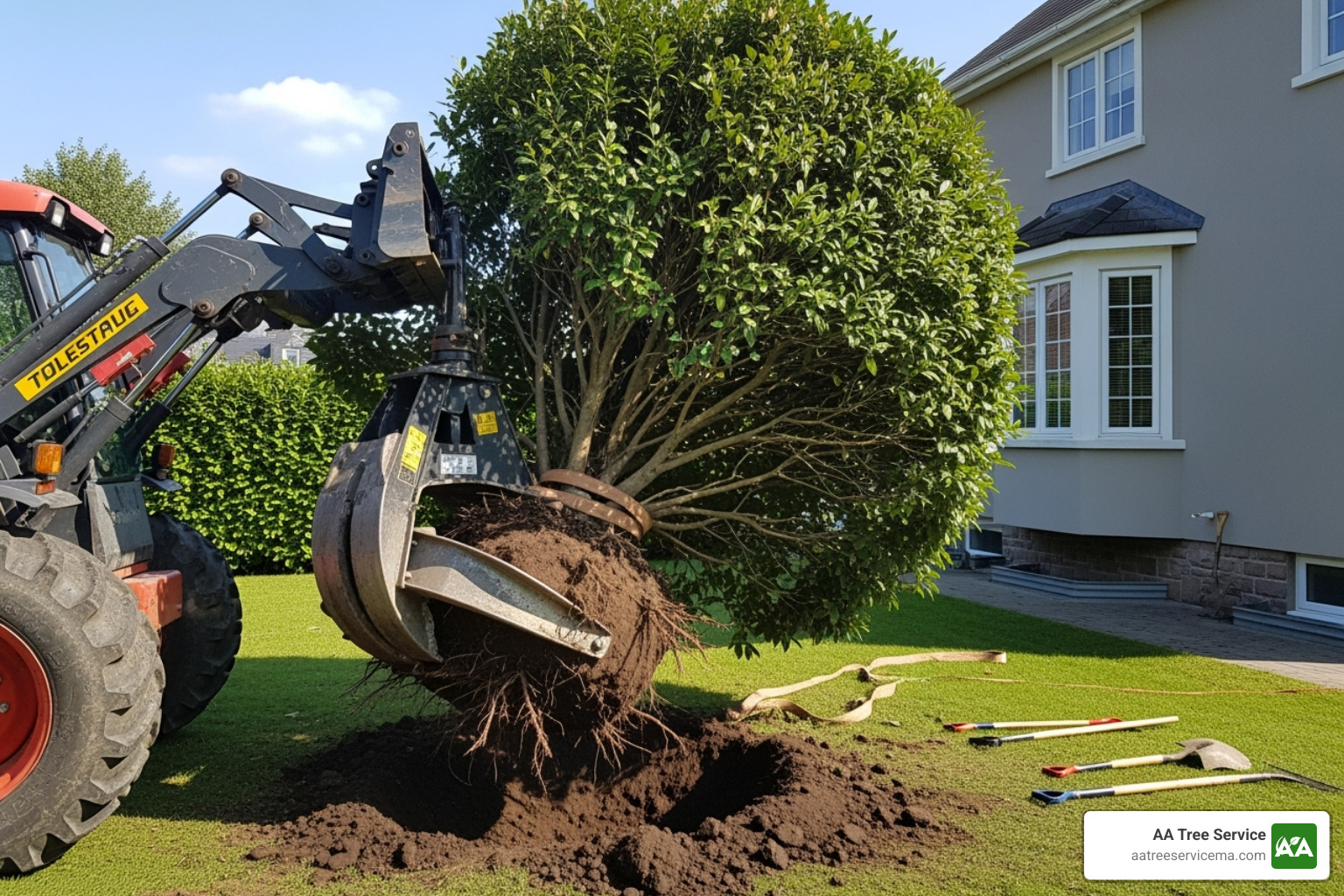
You can, but you should carefully assess the situation first. A DIY approach might be feasible for small shrubs (under 2-3 feet tall) with shallow, fibrous root systems, located well away from any structures, fences, or utility lines. For this, you’ll need basic tools like a sturdy shovel, pruning shears, loppers, a digging bar, and essential personal protective equipment (PPE) like gloves and safety glasses.
However, you should always call a pro if the shrub is:
- Large, old, or mature: A thick trunk, woody structure, and a deep, extensive root system require specialized tools and a level of physical effort that is beyond most DIYers.
- Located near your house or utilities: If the shrub is within 5-10 feet of your foundation, sidewalk, patio, or if you are unsure about the location of underground gas, water, or electrical lines, the risk of causing thousands of dollars in damage is far too high. Always call 811 to have utilities marked, but even then, professional precision is recommended.
- Diseased, infested, or thorny: Professionals know how to handle and dispose of contaminated plant material to prevent the spread of disease. They also have the right gear to deal with formidable thorns (like on a Barberry or Hawthorn) safely.
In the end, professionals handle the heavy lifting, the dangerous equipment, the risk management, and the disposal challenges, making it the best and most reliable choice for the vast majority of shrub removal situations in Massachusetts and New Hampshire. For extensive stump work, our dedicated Stump Grinding services are also available.
The Shrub Removal Process: What to Expect
When you hire reputable shrub removal companies, you can expect a systematic and professional process designed to ensure the job is done safely, efficiently, and with minimal disruption to your property. Here’s a step-by-step breakdown of what the process typically involves:
- On-Site Assessment & Quote: The process begins with a consultation. An experienced arborist or crew leader will visit your property to perform a thorough assessment. They will identify the shrub’s species, measure its size and density, evaluate the soil conditions, and, most importantly, note its proximity to structures, utility lines, fences, and other plants. Based on this detailed evaluation, they will determine the best removal method and provide you with a detailed, transparent quote. This quote should clearly outline all costs, including labor, stump grinding, and debris hauling, so there are no surprises.
- Scheduling & Site Preparation: Once you approve the quote, the job is scheduled at a time that is convenient for you. Before any cutting begins, the crew will prepare the site. This is a crucial step to prevent collateral damage. It may involve laying down plywood sheets to protect your lawn from heavy equipment, using tarps to catch small debris, roping off the work area to ensure safety, and confirming the location of any marked utility lines.
- Shrub Removal: The team then begins the removal. For smaller shrubs, this might be done manually. For larger ones, they will typically start by using chainsaws and loppers to cut away the branches and stems in manageable sections, reducing the plant to just a stump. This controlled disassembly is safer and prevents damage from large, falling sections.
- Stump and Root Management: This is the most critical part for ensuring the shrub doesn’t return. You generally have two options. Stump grinding, the most common choice, uses a specialized machine to grind the stump and major surface roots into small wood chips, typically going 6-12 inches below the soil surface. This effectively destroys the plant’s growth center and leaves the area ready for topsoil and grass seed. Full stump extraction, a more intensive process, involves digging out the entire stump and root ball with an excavator. This is usually only necessary for construction projects or if the roots are causing significant structural issues. Learn more about our Stump Grinding services.
- Final Cleanup: A professional crew prides itself on leaving your property tidy. After the removal is complete, they will conduct a thorough cleanup. This involves raking up all the leaves, twigs, and wood chips, blowing off any dust from sidewalks and driveways, and loading all debris onto their truck for hauling. The goal is to leave the site looking as good as, or better than, they found it.
Common Methods Used by Shrub Removal Companies
Professionals have a variety of tools and techniques at their disposal and will choose the best method for each unique situation:
- Manual Removal: For smaller shrubs or those in delicate, tight spaces (like a courtyard or narrow garden bed), crews rely on hand tools. Using heavy-duty loppers, spades, mattocks, and digging bars, they can carefully cut and dig out the plant and its root ball with precision, minimizing disturbance to the surrounding area.
- Mechanical Removal: For very large, dense, or numerous shrubs, machinery is often the most efficient option. A mini-excavator or skid-steer with a grapple attachment can pull out entire shrubs, roots and all, in a fraction of the time it would take to do manually. This method is ideal for large-scale clearing projects.
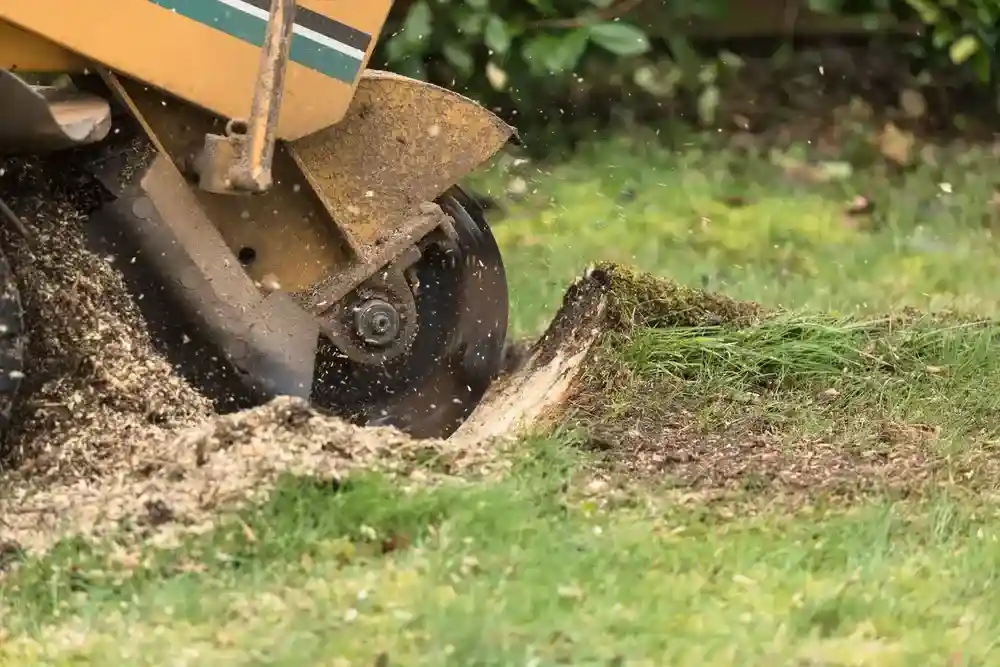
- Stump Grinding: This is the industry standard for dealing with the leftover stump. A powerful stump grinder, which looks like a large lawnmower with a rotating carbide-toothed wheel, methodically grinds the stump and shallow roots into a pile of wood chips. The depth of the grind can be adjusted based on your future plans for the area.
- Root System Extraction: For invasive species known for aggressive root spreading (like bamboo or some types of sumac) or when roots are actively damaging a foundation, crews may need to perform more extensive digging to trace and remove the major root network and prevent future problems.
After removal, you have a blank canvas. Many homeowners in Massachusetts and New Hampshire take this opportunity to replant with native species like highbush blueberry, winterberry, or sweet pepperbush, which are well-suited to the local climate and provide valuable food and habitat for local wildlife. You can watch a video about tree planting for ideas.
What Happens to the Removed Shrub Material?
Professional shrub removal companies handle all aspects of debris disposal, so you don’t have to. Here’s what typically happens to the material:
- Hauling: All branches, roots, and other plant material are loaded up and completely removed from your property at the end of the job.
- Chipping: Most of the woody material (branches and stems) is fed through a powerful wood chipper on-site. This dramatically reduces the volume of the debris, making it easier to transport. These fresh wood chips can often be left for you to use as natural mulch in your garden beds, or they can be hauled away by the crew.
- Eco-Friendly Disposal: Reputable companies are committed to responsible disposal. The green waste is typically taken to a local composting facility, a biomass energy plant, or a landscaping supply yard where it is repurposed into mulch or compost instead of ending up in a landfill.
For larger land clearing projects, our Site Clearing Services can handle everything from dense brush to small trees.
Understanding Costs and Choosing the Best Company
Budgeting for your shrub removal project starts with understanding the potential costs involved. Please note: the prices discussed here are national averages based on internet data and are not actual AA Tree Service pricing. The final cost for your specific project in Massachusetts or New Hampshire will be determined by a unique combination of factors on your property.
Key factors that influence the cost of shrub removal include the shrub’s size (both height and width), the complexity and depth of its root system, the accessibility of its location on your property, the specific species of the shrub, and the total number of shrubs being removed. A single, easily accessible shrub in an open front yard will be significantly cheaper to remove than a large, thorny shrub wedged between a house and a fence on a steep slope.
Deconstructing the Cost of Shrub Removal
Companies may charge using an hourly rate (typically $25 to $225 for a crew, depending on size and equipment) or, more commonly, a per-shrub price. Per-shrub pricing is usually tiered based on size. Here are some average national ranges to give you a general idea:
- Small shrubs (1-2 ft): $30 – $150 each. These are typically young or dwarf varieties that can often be removed manually.
- Medium shrubs (2-4 ft): $50 – $300 each. These are more established and may require more effort and some power tools.
- Large shrubs (4-6 ft): $100 – $450 each. At this size, removal often requires chainsaws and a plan for stump removal.
- Very large shrubs (6+ ft): $150 – $1,050+ each. These are mature, tree-like shrubs that require significant labor, heavy equipment, and generate a lot of debris.
Additional services will also affect the final price. Stump grinding is often quoted as a separate line item, as is the complete hauling away of all debris. Always get a detailed quote that breaks down these costs so you can compare apples to apples. For an accurate, no-obligation estimate for your property in Massachusetts or New Hampshire, contact us for a free quote.
What to Look for in Shrub Removal Companies
Choosing the right team is the most important step to ensure a successful project. Don’t just go with the lowest bidder; look for a company that demonstrates professionalism and reliability. Here are the key qualities to look for:
- Local Experience: A company familiar with New England knows the common plant species, understands the challenges of our often rocky and dense soil, and is aware of local regulations. This local expertise is invaluable.
- Proper Insurance and Licensing: This is non-negotiable. The company must provide proof of both general liability insurance (to cover your property) and worker’s compensation insurance (to cover their employees). If you hire an uninsured company and an accident happens, you could be held personally liable for damages or injuries.
- Positive Customer Reviews: Check independent platforms like Google, Yelp, and Angi. Look for recent reviews and pay attention to patterns. Consistent praise for professionalism, communication, punctuality, and especially the quality of their cleanup is a very good sign.
- Detailed, Upfront Estimates: A professional company will provide a clear, written quote that details the scope of work and breaks down the costs. Be wary of vague verbal quotes or bids that seem too good to be true—they often hide extra fees that appear on the final bill.
- Quality Equipment: A company that invests in well-maintained, modern machinery is a company that is serious about its work. It indicates they are committed to efficiency, safety, and delivering high-quality results.
- Clear Debris Removal Policy: Before you agree to the work, understand exactly what is included in the cleanup. Will they haul everything away? Is there an extra charge for that? Do you have the option to keep the wood chips for mulch? A good company will discuss these options with you upfront.
With over 20 years of experience serving homeowners in Massachusetts and New Hampshire, AA Tree Service is fully insured, provides free same-day quotes, and is relentlessly committed to 100% customer satisfaction.
Frequently Asked Questions about Shrub Removal
Here are answers to some of the most common questions we hear from homeowners in Massachusetts and New Hampshire considering shrub removal.
How much does it cost to remove a single large shrub?
Based on national internet data, the average cost to remove a single large shrub (over 6 feet tall) typically ranges from $100 to $450 or more. This is a wide range because the final price depends heavily on several variables. Factors include the shrub’s exact height and width, the density of its branches, the species (a thorny barberry is more difficult than a soft privet), the complexity of its root system, and how easily accessible it is for crews and equipment.
A shrub in a tight space, on a slope, or with deep, stubborn roots will be at the higher end of the price scale. For this reason, a custom quote based on a professional on-site assessment is the only way to get a truly accurate price for your specific situation.
Can overgrown shrub roots damage my home’s foundation?
Yes, absolutely, and it’s a more common problem than many homeowners realize. Shrub roots are naturally programmed to seek out moisture and stable soil, and the area around your home’s foundation is often an ideal environment. As the roots grow and expand over the years, they can exert immense pressure on concrete, leading to cracks in your foundation, basement walls, sidewalks, and patios. They can also infiltrate and clog or break sewer and water pipes. Certain shrubs are more notorious for this than others. If you have large, mature shrubs growing within a few feet of your house, it is highly advisable to get a professional assessment. Proactive removal is always far less expensive and disruptive than foundation repair.
How long does the shrub removal process typically take?
The timeline can vary significantly based on the scope of the project. The removal of a single small-to-medium shrub might take a professional crew only an hour or two. A project involving several medium-sized shrubs could take half a day. Removing a very large, mature, or deeply rooted shrub, including the time for stump grinding and thorough cleanup, may take several hours to a full day.
Factors like rocky New England soil, difficult terrain like steep hills, tight access that limits the use of machinery, and adverse weather can also extend the time required. A reputable company will provide you with a time estimate along with your price quote so you know exactly what to expect on the day of the service.
Do I need a permit to remove shrubs on my property?
For the vast majority of shrub removal projects on private residential property in Massachusetts and New Hampshire, a permit is not required. However, there are specific exceptions where you might need to check with your local town or city hall. These situations can include: if the shrubs are located within a designated wetland buffer zone, if they are part of a protected historic landscape, or if your property is governed by a strict Homeowners Association (HOA) with its own rules about landscaping. A professional, local tree and shrub removal company will be familiar with these regulations and can advise you if any special permissions are needed for your project.
Revitalize Your Landscape with Expert Shrub Removal
Removing unwanted, overgrown, or dead shrubs is about more than just clearing space—it’s a powerful investment in your property’s overall health, safety, and beauty. Professional removal instantly boosts curb appeal, making your home look more cared for and inviting. It protects your valuable landscape from the spread of pests and disease and opens up areas to much-needed sunlight, allowing your lawn and other plants to flourish. Most importantly, it eliminates potential safety hazards, from obstructed views at your driveway to the hidden threat of foundation-damaging roots, giving you valuable peace of mind.
Here at AA Tree Service, we have spent over 20 years helping homeowners across Massachusetts and New Hampshire transform their outdoor spaces. We are not just a removal service; we are local arboricultural experts who understand New England’s unique landscape challenges, from its rocky soil to its specific plant species. We are committed to getting the job done right the first time, with a focus on safety, efficiency, and meticulous cleanup.
We are proud to offer 24/7 emergency services for urgent situations and provide free, transparent, same-day quotes so you can make informed decisions without pressure. We’re not just another contractor; we’re your neighbors and local experts, fully dedicated to your complete satisfaction.
Ready to reclaim your yard and unlock its full potential? Let’s work together to clear away the old and make room for your new vision. Get a free quote for your Framingham tree and shrub needs or explore our comprehensive services in communities like Peabody MA and Haverhill MA. Visit our main site at AA Tree Service to see all that we offer.
Your landscape deserves to thrive. Let’s create an outdoor space you’ll love for years to come.