Your tree may look healthy above ground, but what is happening beneath the surface can affect the rest of your property.
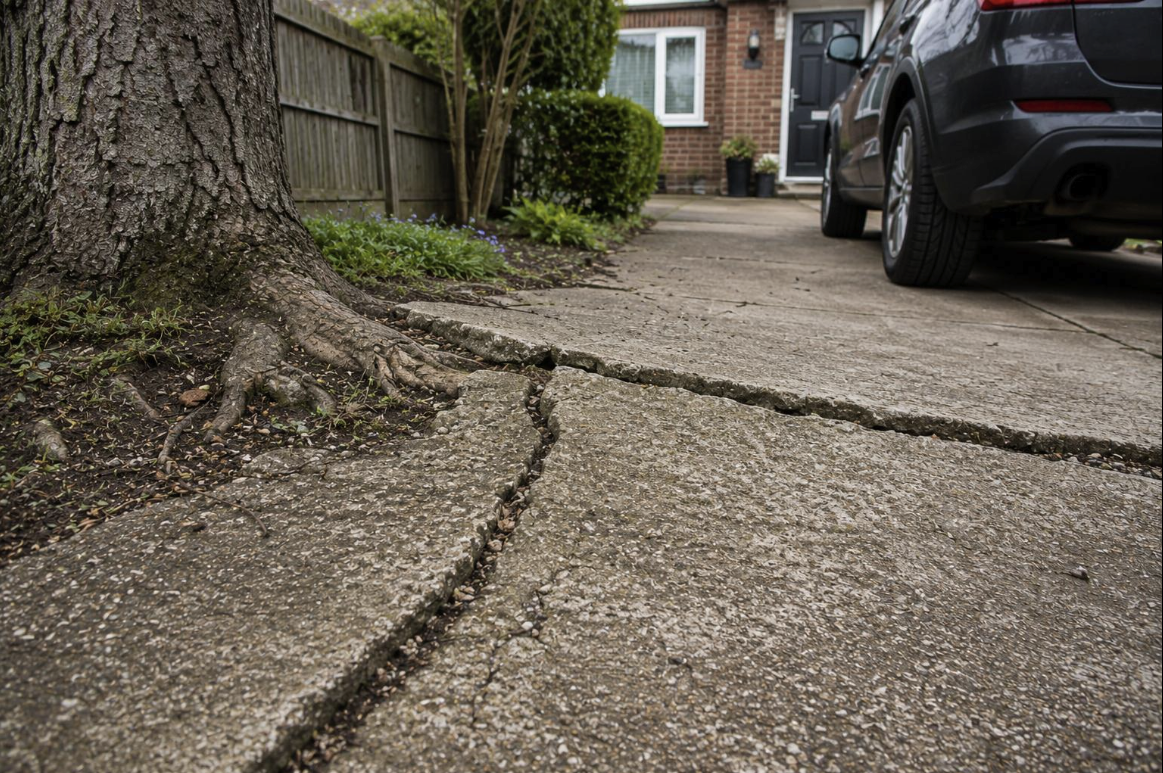
Trees add shade, character, and natural beauty to a property, but their root systems can sometimes create concerns homeowners do not expect. Raised sections of a walkway, exposed roots across the lawn, or changes around a driveway may leave you wondering whether the tree is becoming a problem.
For homeowners throughout Massachusetts and New Hampshire, knowing what to look for can help you decide when a root issue simply needs monitoring—and when it may be time to have the tree professionally evaluated.
Why Do Tree Roots Spread So Far?
A tree’s roots are essential for stability and for absorbing water and nutrients. While many people picture roots growing straight down beneath the trunk, a large portion of a tree’s root system actually spreads outward through the surrounding soil.
As a tree gets larger, those roots can extend into areas homeowners use every day.
You may begin noticing roots around:
Signs Tree Roots May Be Affecting Your Property
Roots are usually out of sight, which makes it easy for developing issues to go unnoticed. Some warning signs homeowners may observe include:
Raised or Uneven Pavement
Sections of a walkway, patio, or driveway may begin lifting as roots grow underneath or near the surface.
Large Exposed Roots
Soil erosion, compacted ground, or root growth can leave substantial roots visible across the lawn.
Cracking Around Hardscaped Areas
New cracks or movement near pavement may warrant a closer look at surrounding trees and soil conditions.
Difficult Lawn Maintenance
Large surface roots can make mowing difficult and may create uneven areas in the yard.
Changes Around the Base of the Tree
Soil lifting, unusual movement, decay, or damaged roots around the trunk can sometimes indicate a larger concern.
The important thing is not to assume that every crack or uneven surface was caused by a tree. Several property and soil conditions can create similar problems. A professional evaluation can help homeowners better understand what is happening before making a major decision.
Should You Cut Problematic Tree Roots?
It can be tempting to simply cut away an exposed root that is interfering with a lawn, pathway, or landscaping project.
That is not always the safest solution.
Major roots can play an important role in a tree’s stability and overall health. Removing the wrong roots may:
- Weaken the tree
- Reduce its stability
- Stress the tree
- Create additional decay or damage
- Increase the possibility of future problems
Before cutting large roots, especially those close to the trunk, it is best to determine how the work could affect the tree.
What About Roots Near Underground Pipes?
Tree roots and underground plumbing are another common homeowner concern.
Roots naturally grow toward areas where conditions provide moisture and nutrients. If an underground line already has a crack, loose connection, or damaged area, roots may sometimes grow into that opening and contribute to the problem.
If you suspect an underground utility problem, the appropriate plumbing or utility professional should identify the source first. If a nearby tree is determined to be contributing to the issue, a tree professional can then help evaluate the safest next step.
When Does Tree Removal Become an Option?
Root concerns do not always require removal. In some situations, the tree may remain healthy and manageable.
Tree removal may become part of the conversation when a tree:
- Is creating significant conflicts with important areas of the property
- Has serious structural or health problems in addition to root concerns
- Has damaged or compromised major roots
- Is unstable or beginning to lean unexpectedly
- Cannot reasonably be maintained in its current location
- Creates ongoing problems that cannot be addressed through other tree-care options
Every property is different. The size and condition of the tree, its location, surrounding structures, access to the property, and the severity of the issue can all affect the recommendation.
Don’t Forget About the Stump
If removal becomes necessary, homeowners should also consider what will happen to the remaining stump.
A stump can:
- Take up usable yard space
- Make mowing and landscaping more difficult
- Interfere with future outdoor projects
- Leave large surface roots throughout the surrounding area
Professional stump grinding can help reclaim that space and prepare the area for future landscaping or property improvements.
Protect the Tree—and Your Property
Tree-root issues can be frustrating because the most important part of the problem may be underground.
Rather than cutting roots or removing a tree based on guesswork, have the situation evaluated first. Sometimes the tree can remain safely in place. In other situations, professional removal may be the better long-term solution.
Let AA Tree Service Take a Look
If exposed roots, lifting pavement, or another tree-related concern has you wondering what to do next, AA Tree Service can help.
With more than 20 years of experience serving homeowners throughout Massachusetts and New Hampshire, our team provides professional:
Frequently Asked Questions
Do exposed tree roots mean my tree is unhealthy?
Not necessarily. Some trees naturally develop visible surface roots, and soil erosion can expose roots over time. However, damaged, decaying, or significantly disturbed roots should be evaluated.
Can tree roots lift a driveway or sidewalk?
Roots growing near hard surfaces can contribute to movement or uneven sections, although soil conditions and other factors may also play a role.
Can I cover exposed tree roots with soil?
Adding too much soil around established roots or the base of a tree can create additional problems. Before making major grade changes around a mature tree, it is best to seek professional guidance.
Should I remove a tree because its roots are causing problems?
Not automatically. The correct solution depends on the tree’s health, location, stability, and the severity of the property conflict.
Does AA Tree Service remove the stump too?
AA Tree Service provides professional stump grinding in addition to tree removal, allowing homeowners to address the remaining stump and reclaim more usable yard space.