Spot potential tree problems early and prepare your Massachusetts or New Hampshire property for changing fall and winter weather.
Fall in New England brings beautiful foliage, cooler temperatures, and changing weather conditions. It can also bring strong winds, heavy rain, and eventually snow and ice—all of which can put extra pressure on weak or damaged tree branches.
Before the seasons change, taking a closer look at the trees around your property can help you identify potential concerns before they turn into bigger problems. Professional tree trimming can remove damaged growth, improve clearance around your home, and help maintain a healthier, more balanced tree.
At AA Tree Service, we provide professional tree pruning and trimming throughout Massachusetts and New Hampshire, along with tree removal, stump grinding, land clearing, crane services, and 24/7 emergency tree services.
Here are seven signs it may be time to schedule professional tree trimming.
-
You See Dead or Broken Branches
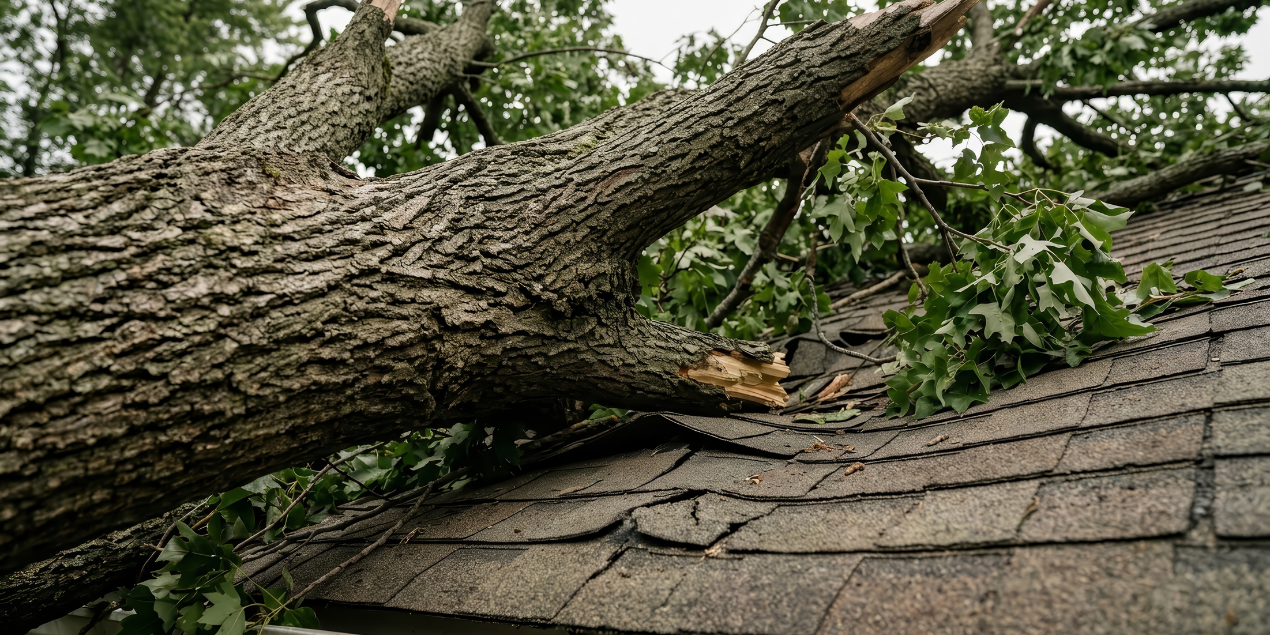
Dead and damaged branches are some of the easiest tree problems to recognize. Even if they are still attached, weakened limbs may be more likely to break when exposed to strong winds or heavy precipitation. Look for:
- Branches with no leaves while the surrounding canopy is healthy
- Dry or brittle-looking limbs
- Visible cracks or splits
- Hanging or partially broken branches
- Recently damaged limbs after a storm
- Branches that have noticeably changed position
A falling branch can damage roofs, vehicles, fences, patios, or other areas of your property. Addressing damaged limbs before severe weather arrives can help reduce unnecessary risks.
-
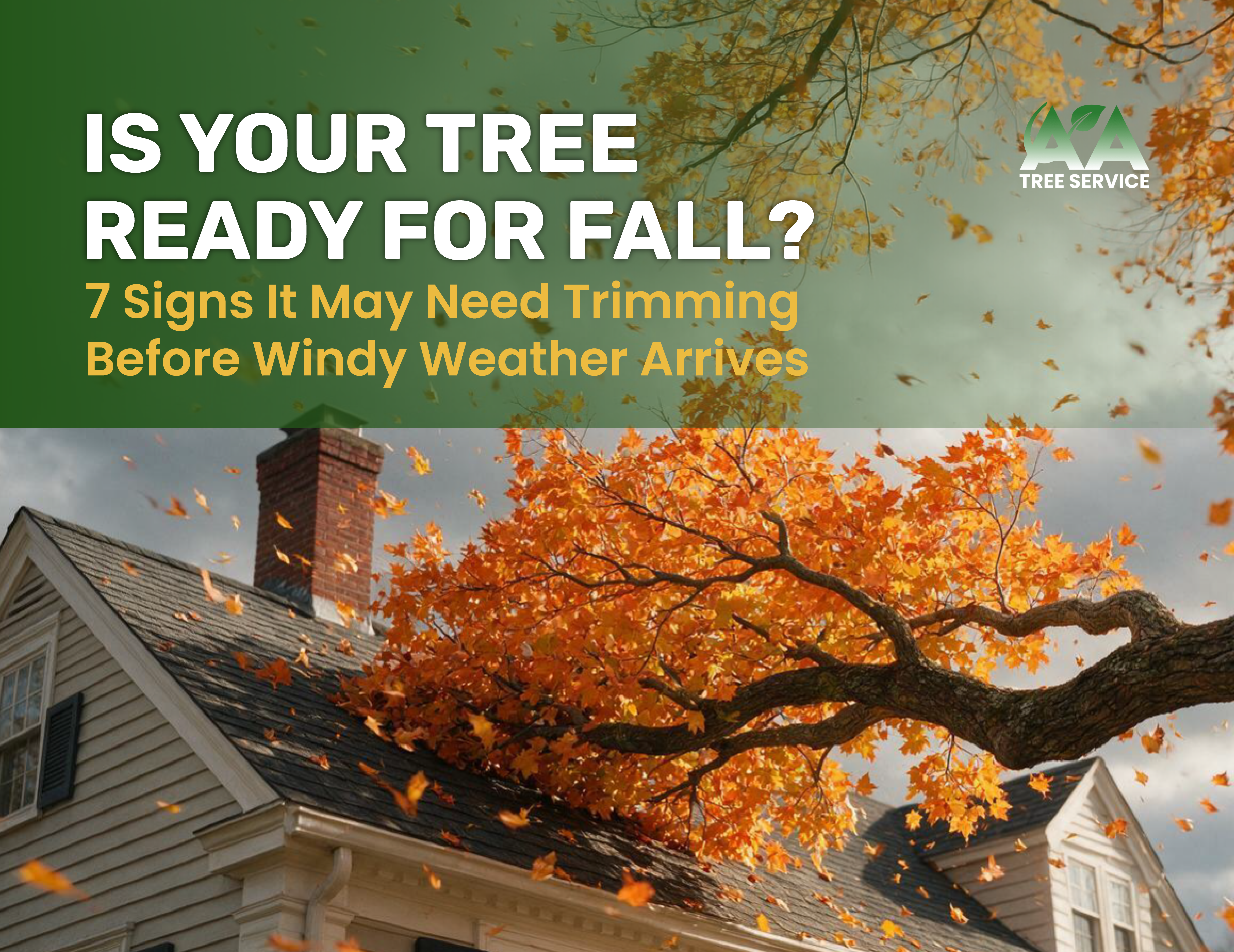
Branches Are Hanging Over Your Roof
A mature tree can provide valuable shade, but branches growing directly over a home deserve attention—especially when they are large, damaged, or getting closer to the structure. Watch for:
- Heavy limbs extending over the roof
- Branches touching shingles
- Growth resting against gutters
- Limbs hanging over windows or entryways
- Branches rubbing against siding
- Increasing amounts of leaves and debris collecting on the roof
Professional trimming can help establish better clearance while preserving healthy portions of the tree whenever possible.
-
The Tree Canopy Looks Too Dense
More branches do not always mean a healthier tree. When growth becomes excessively crowded, branches may compete for space and rub against one another. Signs of a crowded canopy can include:
- Multiple branches growing across each other
- Very little sunlight passing through the canopy
- Dense growth concentrated in one section
- Numerous small branches growing inward
- Limbs competing for the same space
- Branches rubbing together
Selective pruning can remove unnecessary growth and help maintain a more balanced structure without dramatically changing the tree’s natural appearance.
-
Branches Are Crossing or Rubbing Together
When branches repeatedly rub against one another, the bark can become damaged over time. Take a closer look if you notice:
- Branches crossing each other
- Areas of missing or damaged bark
- Scrapes where two limbs meet
- Branches growing inward toward the trunk
- Small branches trapped between larger limbs
- Visible wounds caused by repeated contact
Professional pruning can identify which branches should be removed while protecting healthy growth.
-
The Tree Looks Unbalanced
Trees do not need to be perfectly symmetrical, but a dramatic imbalance can be worth evaluating. Step back and look at the entire canopy. You may notice:
- Most of the branches growing toward one side
- Several heavy limbs extending in the same direction
- One side appearing much fuller than the other
- Long branches stretching toward your home
- Weight concentrated over a driveway or patio
- Previous storm damage that changed the tree’s shape
An experienced tree professional can determine whether strategic trimming could improve the tree’s overall structure and remove problematic weight.
-
Branches Are Getting Too Close to Your Property
Trees continue growing year after year, so branches that once had plenty of clearance can gradually move closer to homes and other structures. Check for branches near:
- Roofs and gutters
- Windows
- Siding
- Garages
- Sheds
- Decks and patios
- Fences
- Driveways and parked vehicles
- Frequently used walkways
Creating appropriate clearance can help prevent branches from scraping against structures or causing damage when the wind picks up.
For particularly large or difficult limbs, AA Tree Service also offers specialized crane services for challenging tree projects and confined spaces.
-
Something About the Tree Suddenly Looks Different
You do not need to be a tree expert to notice when something has changed.
Perhaps a branch that was once upright is suddenly sagging, or part of the canopy looks different after a summer storm. Changes like these are worth paying attention to. Look for:
- Newly sagging branches
- Fresh cracks or splits
- Broken limbs after a storm
- Sections with noticeably fewer leaves
- Sudden changes in the canopy
- Limbs that appear loose or unstable
- New leaning or unusual growth
- Branches that simply do not look as strong as they once did
If something looks different, having the tree professionally evaluated can help determine whether trimming, removal, or another type of tree care is appropriate.
Why Prepare Your Trees Before Fall and Winter?
New England homeowners know that weather conditions can change quickly. Wind, rain, snow, and ice can place additional stress on branches that are already weak or damaged. Proactive tree care can help you:
- Remove dead or damaged branches
- Improve clearance around your home
- Identify potential hazards earlier
- Maintain a cleaner landscape
- Reduce problematic growth
- Improve the overall structure of the tree
- Prepare your property for seasonal weather
Addressing a questionable branch now may be much easier than dealing with it after it falls during a storm.
Does Your Tree Need Trimming or Removal?
Finding a damaged branch does not necessarily mean the entire tree needs to come down.
If the tree is otherwise healthy, professional pruning may be enough to remove problematic limbs and maintain the tree. In other cases, significant structural damage or serious decline may make tree removal a better option.
A professional evaluation can help determine the right approach based on:
- The condition of the tree
- Location of damaged branches
- Proximity to structures
- Overall stability
- Severity of existing damage
- Potential risks to the surrounding property
The goal should always be to choose an appropriate solution for both the tree and the property around it.
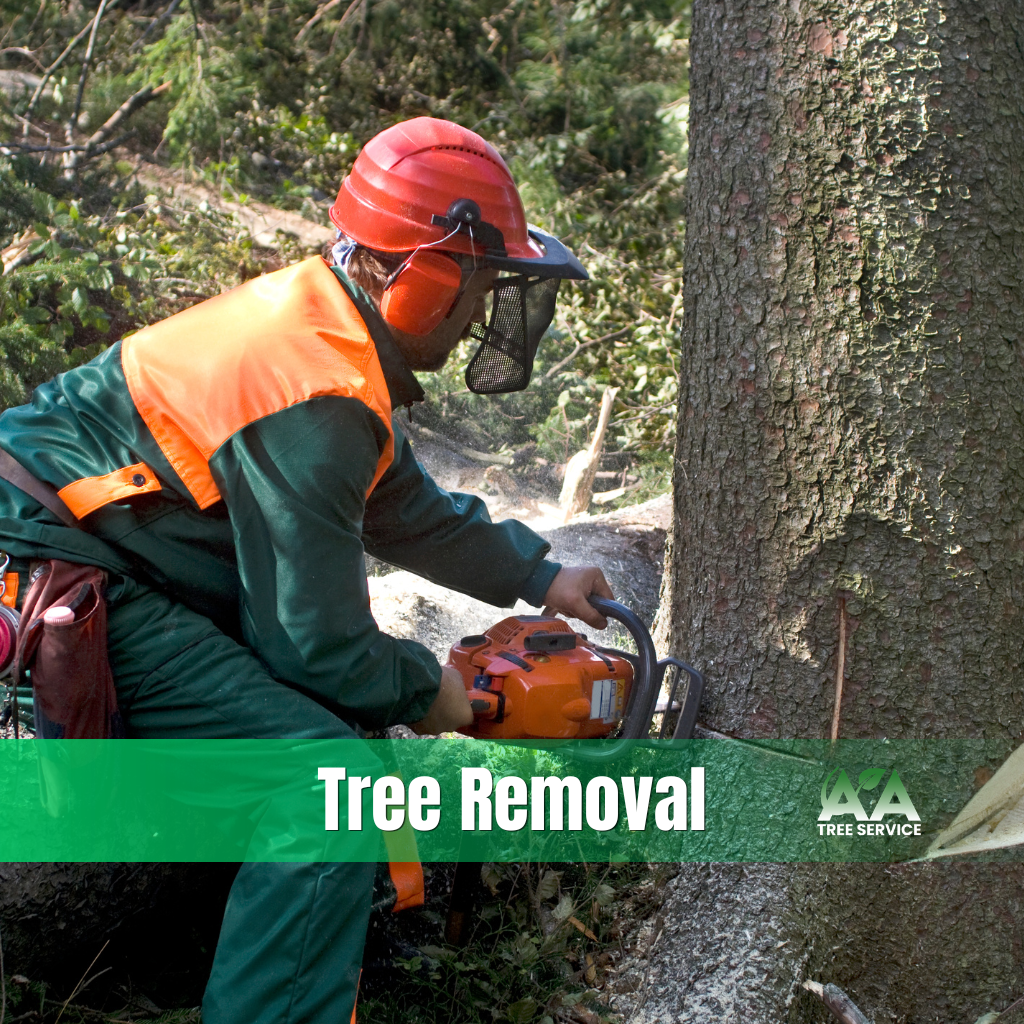
Get Your Property Ready With AA Tree Service
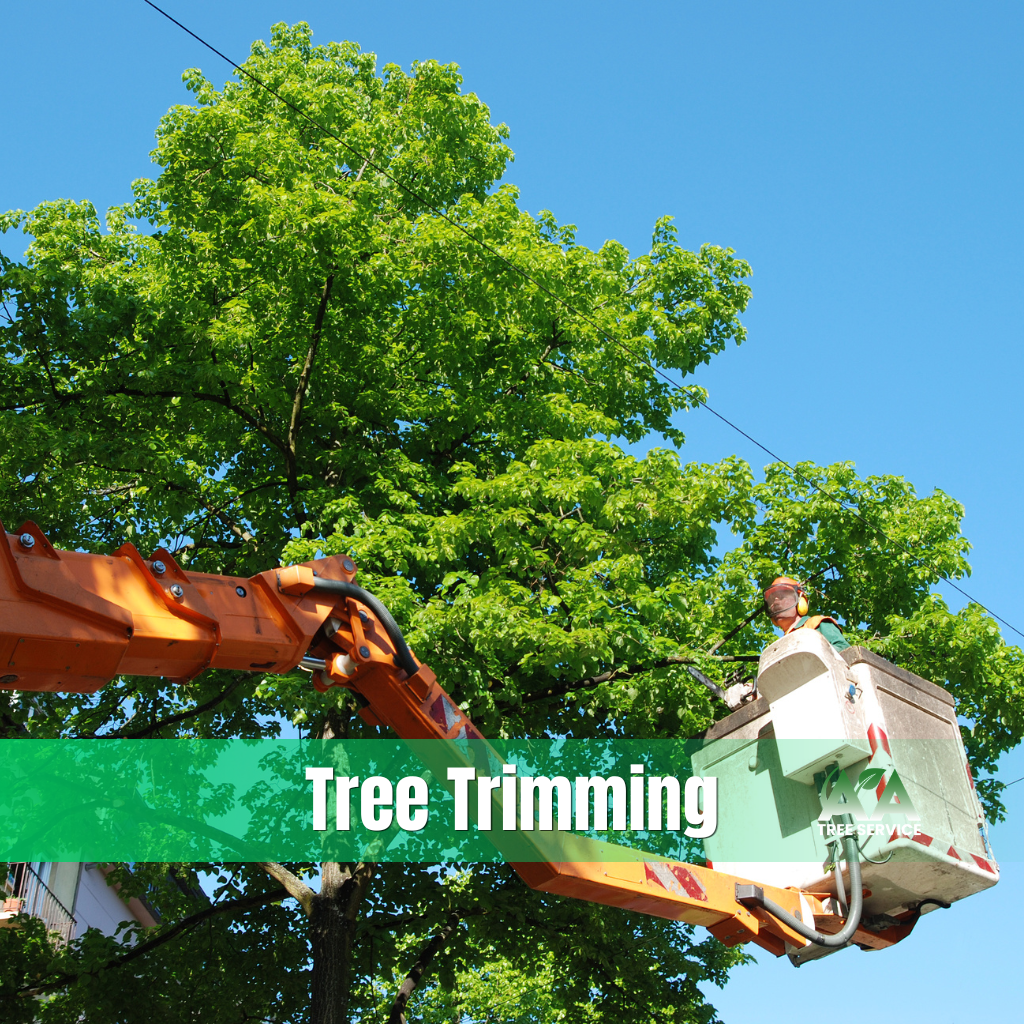
Tree trimming can involve significant heights, heavy branches, nearby structures, and specialized equipment. For larger or more complicated projects, hiring an experienced tree service can help ensure the work is handled properly.
AA Tree Service has more than 20 years of experience serving homeowners and businesses throughout Massachusetts and New Hampshire. The company is locally owned, licensed and insured, and offers free same-day quotes along with 24/7 emergency tree services.
Whether you need seasonal pruning, removal of a problematic tree, stump grinding, crane-assisted tree work, or emergency assistance after a storm, the AA Tree Service team can help evaluate your property and recommend the right next step.
Prepare Before the Next Storm Arrives
You do not have to wait until a branch falls to take action.
If you notice dead limbs, branches hanging over your roof, crowded growth, or another tree concern around your property, scheduling an evaluation before fall and winter weather arrives can give you a better idea of what needs attention.
Frequently Asked Questions
-
When should I have my trees trimmed?
It depends on the tree and the type of pruning needed. However, dead, broken, or potentially hazardous branches should be evaluated whenever you notice them.
-
Does a dead branch mean my tree needs to be removed?
Not always. In many cases, the damaged branch can simply be removed. A professional can determine whether the rest of the tree is healthy enough to remain.
-
Can I trim large branches myself?
Large or high branches can be unpredictable and difficult to handle safely, especially near buildings or other property. Professional help is generally a better option for substantial tree work.
-
Does AA Tree Service handle storm damage?
Yes. AA Tree Service offers 24/7 emergency tree services throughout Massachusetts and New Hampshire.