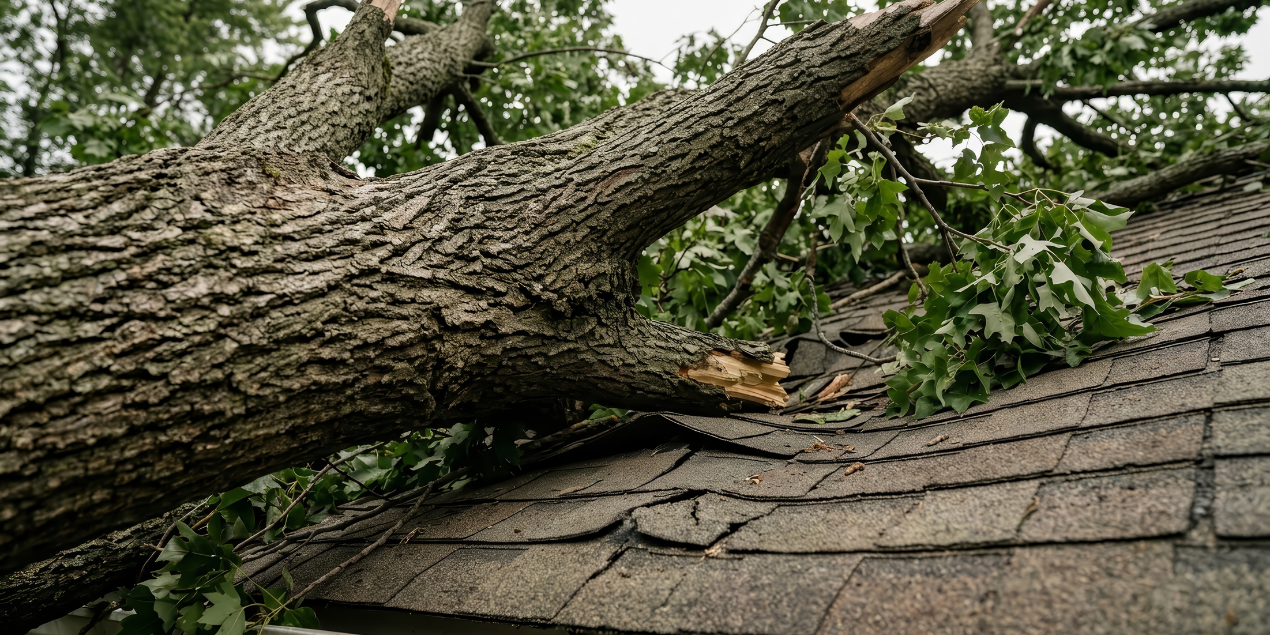
Preparing Homeowners for Urgent Tree Situations
Unexpected storms, heavy snow loads and hidden decay can turn a healthy-looking tree into a serious hazard. Leaning trunks, cracked limbs or uprooted roots often signal a dangerous situation that requires immediate attention. This guide explains when homeowners should call for emergency tree service, offers practical steps to stay safe while waiting for help and highlights why AA Tree Service’s 24/7 response is a lifesaver for Massachusetts and New Hampshire property owners.
Recognizing a Tree Emergency
Not every tree issue is an emergency. Routine pruning can usually handle minor deadwood or cosmetic issues, but some situations demand rapid professional response. Signs that merit a call to an emergency tree service include:
- Sudden leaning or uprooting – Trees normally lean gradually, but a sudden tilt often indicates root failure. Raised soil, exposed roots or cracks near the base suggest the tree could topple.
- Cracked, hanging or broken limbs – Storms can twist or snap branches that remain lodged in the canopy. Hanging limbs are unpredictable and require specialized rigging to remove safely.
- Visible trunk cracks – Vertical splits or large openings in the trunk weaken the entire structure and may cause the tree to fail.
- Root uplift or shifting soil – Saturated ground and high winds loosen roots. Gaps between the trunk and soil or heaving earth around the base signal a risk of uprooting.
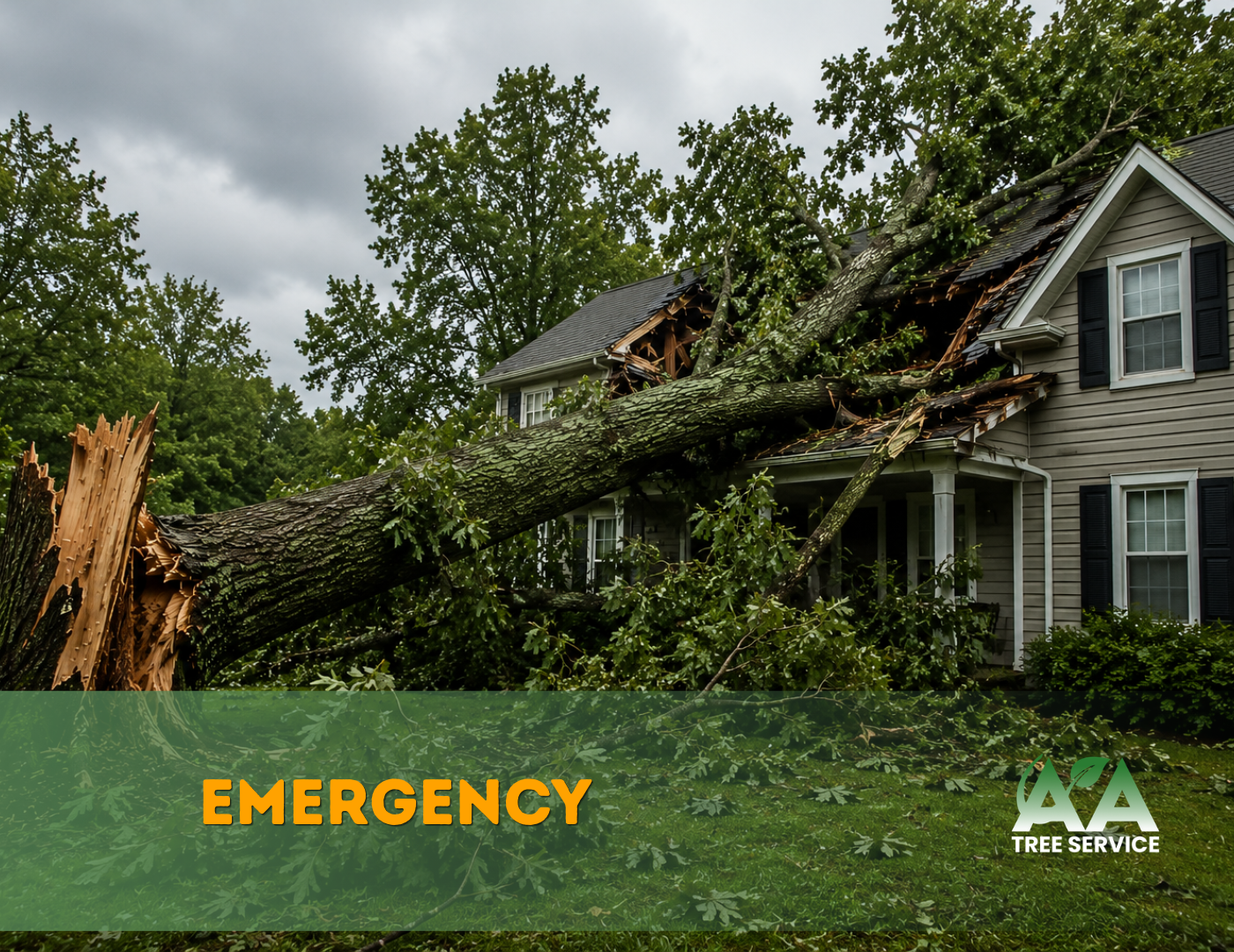
- Contact with structures or power lines – A tree that has fallen on a roof or rests against a vehicle needs immediate removal. Trees touching or threatening power lines are extremely dangerous; never approach or attempt to move them yourself.
- Storm damage or decay – Internal cracks, split joints or weakened roots after storms can make trees unstable. Fungus, carpenter ants or hollow sections indicate decay that increases the risk of failure.
These red flags also align with broader emergency criteria from industry experts. JL Tree Service notes that fallen trees, exposed roots, large broken branches and trees leaning toward homes or power lines all require urgent removal. Diseased or decaying trees with hollow trunks or fungal growth should also be addressed quickly to prevent unpredictable collapse.
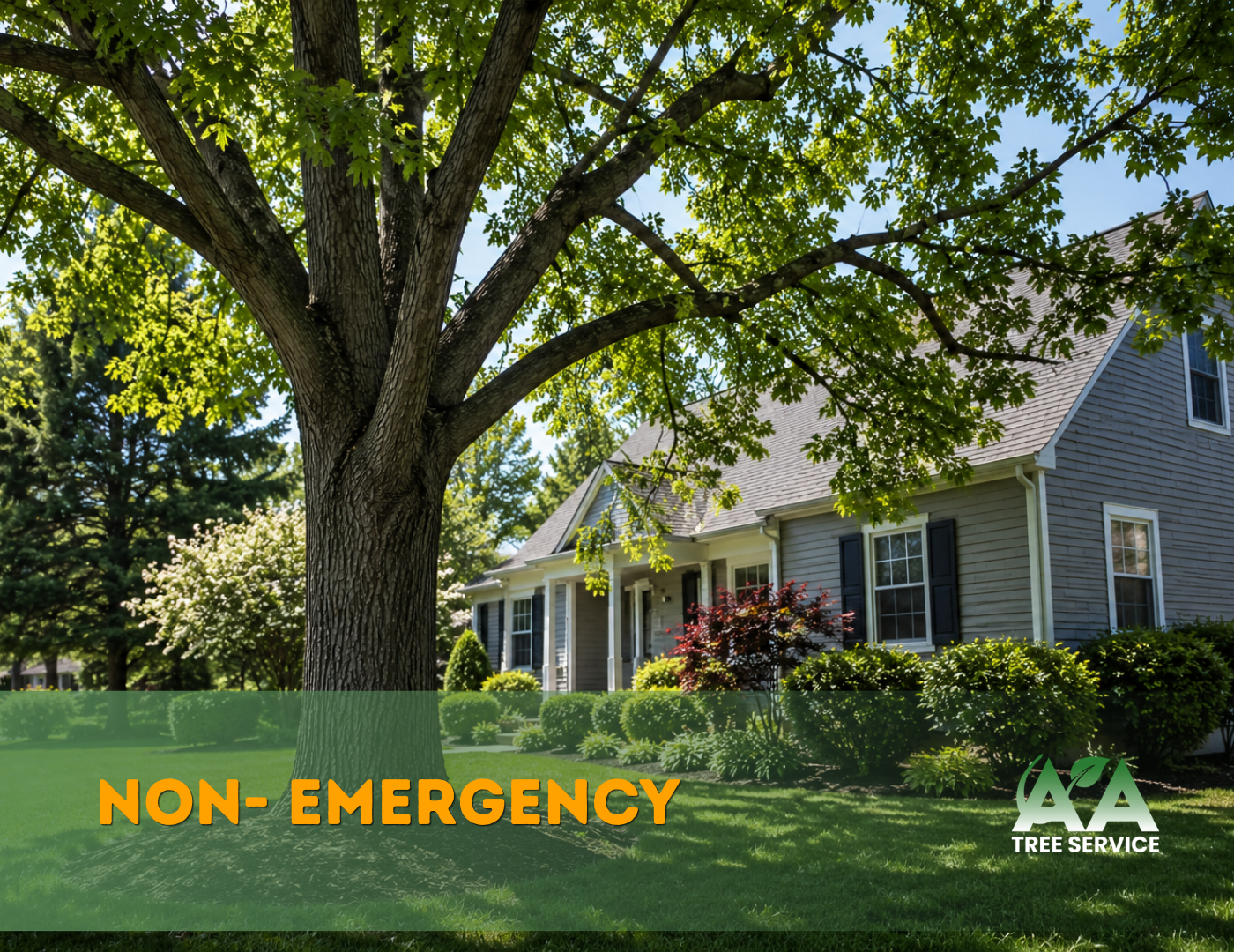
When a Tree Emergency Isn’t Urgent
Minor damage doesn’t always demand an overnight call. According to JL Tree Service, small broken branches or damage in open areas away from structures may be handled during regular business hours. A tree in a remote corner of the yard with a few dead limbs poses less immediate risk than one leaning over your bedroom. When in doubt, err on the side of caution and request a professional assessment.
What to Do Before Help Arrives
Once you’ve contacted a 24/7 emergency tree service, your priority is keeping people safe and preventing further damage. These steps, adapted from professional guidance, will help you manage the situation until experts arrive:
- Stay inside and keep a safe distance. Parker Tree Service advises homeowners to assess conditions from a safe location and avoid going outside if the tree is still moving or if there are high winds. Broken limbs under tension can snap or roll unexpectedly; stay back from areas where the tree is resting on a structure.
- Look for hazards. Check for sparks, arcing wires, gas smells or structural damage. If you suspect electrical hazards or gas leaks, evacuate immediately and call emergency services.
- Keep family and pets away. Designate a safe area inside your home away from windows and rooms directly under large trees. Teach children not to play near damaged trees or touch downed wires.
- Secure the area. If it’s safe, rope off or block the danger zone to prevent curious neighbors or pets from entering. Move vehicles away from large trees when possible and remove outdoor furniture or grills that could obstruct emergency crews.
- Document the damage. When conditions are stable, take photos or videos from a safe distance. Documentation can support insurance claims and help professionals assess the situation.
- Provide clear information. When you call an emergency tree service, be ready to describe the tree’s location, what it has hit, and whether power lines or trapped vehicles are involved. Clear details help crews prioritize and bring the right equipment.
- Avoid DIY cutting. Experts caution against attempting to cut or move branches yourself. Storm‑damaged wood behaves unpredictably, and improper cuts can cause limbs to snap or roll. Limit your efforts to removing small debris once it’s safe to do so.
How to Prepare for Future Emergencies
An ounce of prevention reduces the likelihood of urgent calls in the first place. Here are proactive measures every homeowner can take:
- Schedule routine inspections. Professional arborists can spot decay, disease or structural weaknesses before they turn into emergencies.
- Prune for health and structure. Thinning dense canopies and removing dead or overextended branches reduces wind resistance and prevents breakage.
- Watch for red flags. Monitor trees for deep vertical cracks, missing bark, mushrooms at the base or sudden changes in lean. Early intervention often costs less than emergency removal.
- Create a family safety plan. Identify safe interior areas away from large trees and teach family members where to go during storms. Keep emergency contact numbers, including your preferred tree service, posted in a visible place.
- Prepare your property. Move grills, patio furniture and vehicles away from large trees when storms are forecast. Ensure there is clear access for emergency crews by keeping gates unlocked and pathways free of clutter.
Why Choose AA Tree Service
AA Tree Service is a locally owned, full‑service tree company serving Massachusetts and southern New Hampshire. With over twenty years of hands‑on experience, they are licensed, insured and equipped for any tree emergency. Here’s what sets them apart:
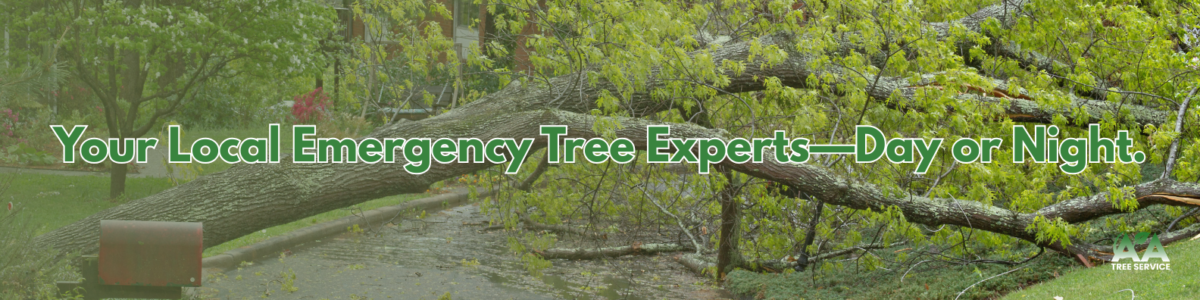
- 24/7 emergency availability. Tree hazards don’t abide by a schedule. AA Tree Service offers round‑the‑clock response, so you can call anytime and expect fast action.
- Rapid local response. Because their crews are based in Massachusetts and New Hampshire, they can arrive quickly to stabilize dangerous situations. Their blog notes that they aim to assess and begin addressing emergencies as soon as possible after you reach out.
- Experienced technicians. With decades of experience, their team uses cranes, lifts and specialized rigging to remove trees safely in tight residential spaces. They’re fully licensed and insured for your peace of mind.
- Customer‑first service. AA Tree Service provides free same‑day quotes, transparent pricing and satisfaction‑guaranteed workmanship. Their locally owned business values community relationships and treats every property as if it were their own.
If a tree on your property is leaning dangerously, has cracked limbs, or has fallen on a structure, don’t wait.
Contact AA Tree Service immediately to protect your family and your home. They are available 24/7 in Massachusetts and southern New Hampshire and offer free same‑day estimates.
Frequently Asked Questions
-
What qualifies as an emergency tree situation?
Any tree that poses an immediate threat to people, property or utilities is an emergency. Examples include leaning trees, hanging or broken limbs, fallen trees blocking roads or driveways, and trees in contact with power lines.
-
Should I try removing a hanging limb myself?
No. Hanging or storming‑damaged limbs are unpredictable and under tension; cutting them without proper equipment can cause serious injury.
-
What should I do while waiting for the crew?
Stay away from the damaged tree, secure the area, document the situation if it’s safe, and provide clear information when you call.
-
Does homeowners’ insurance cover emergency tree removal?
Insurance typically covers removal if the tree damages a structure, but coverage varies by policy and may exclude preventive removal. Document the damage and consult your insurer.
-
How fast can AA Tree Service respond?
Their crews are on call 24/7 and strive to provide same‑day emergency service. Response times depend on your location and the severity of the situation, but they aim to begin addressing emergencies as quickly as possible.