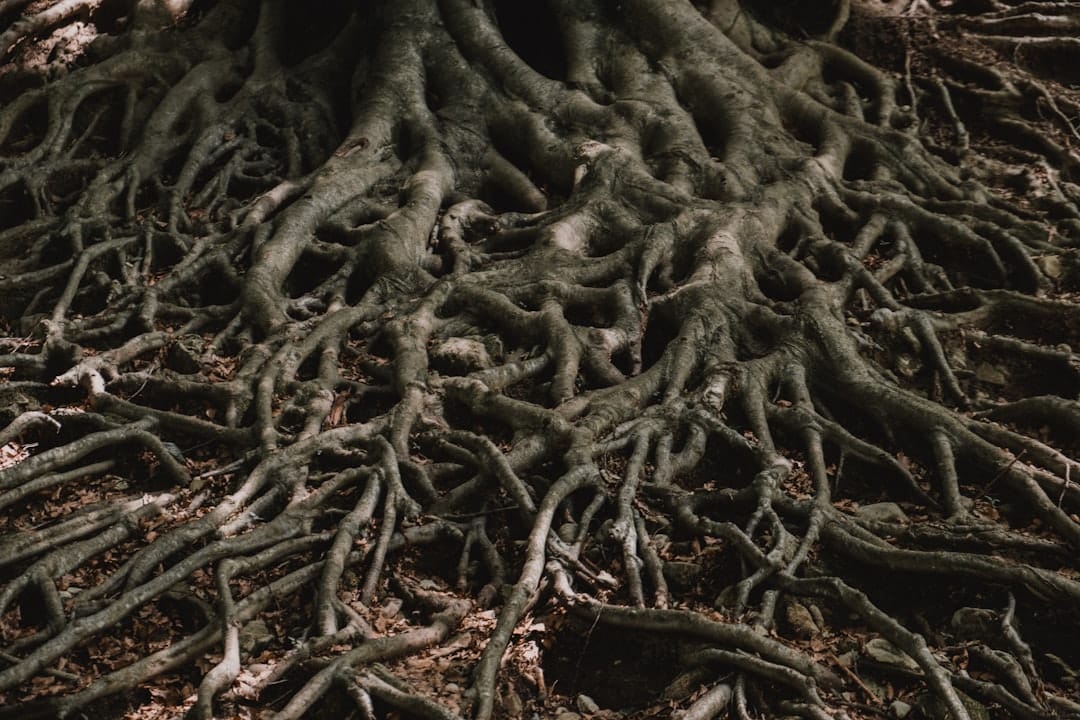
Why Tree Root Removal is Essential for Your Property’s Health and Safety
Trees are a cherished feature of any landscape in Massachusetts and New Hampshire, offering shade, beauty, and a connection to nature. However, beneath the surface lies a powerful and unseen force: the root system. While absolutely vital to a tree’s life, these roots can become a homeowner’s worst nightmare when they grow unchecked, invading spaces where they don’t belong. A professional tree root removal service is the critical solution for homeowners looking to prevent catastrophic damage, eliminate safety risks, and preserve the value and beauty of their properties.
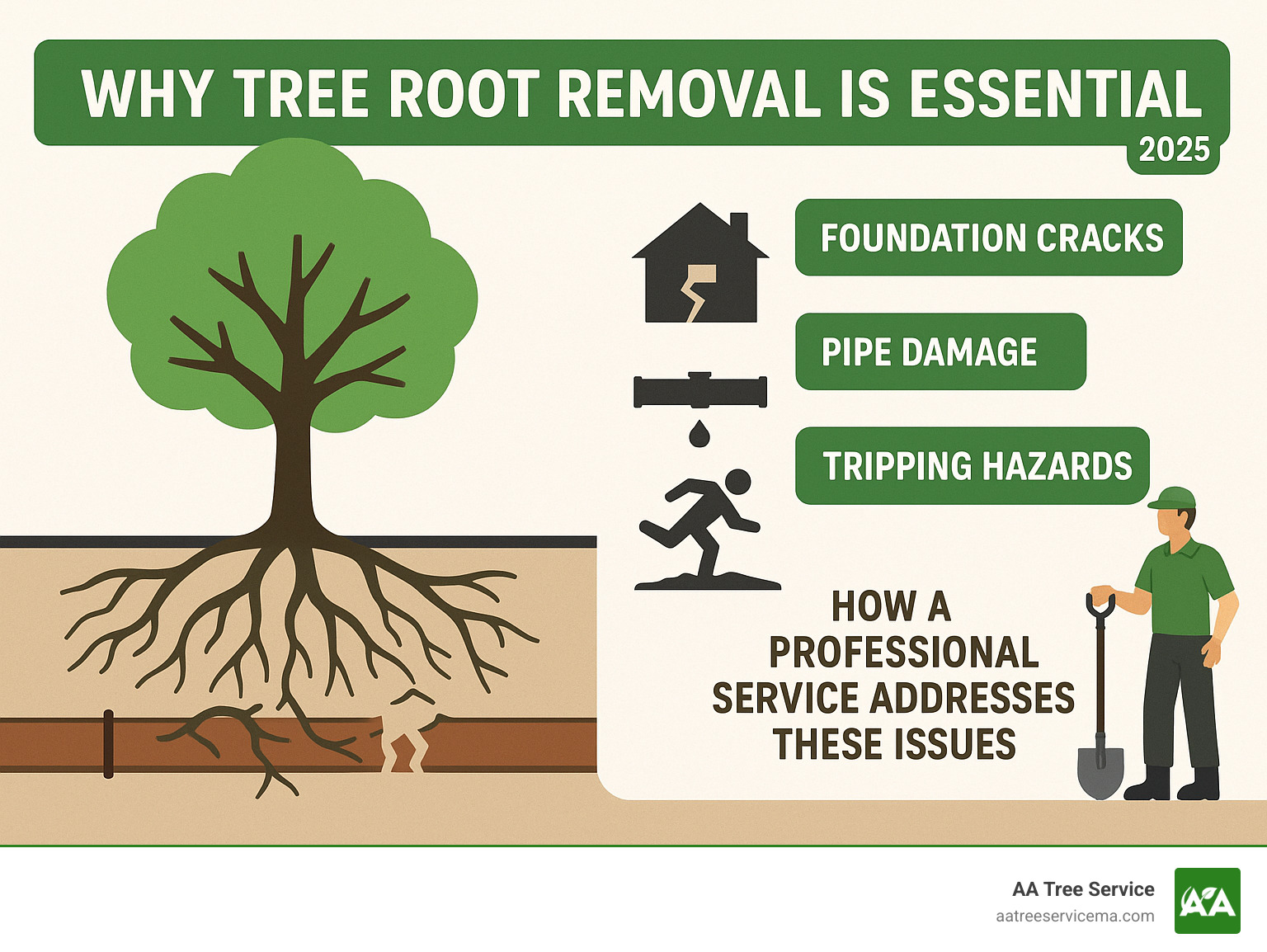
Understanding the potential for destruction is the first step toward proactive protection. Here’s a more detailed look at why timely tree root removal is not just a good idea, but an essential part of home maintenance:
- Protecting Your Home’s Foundation: This is often the most costly and alarming type of root damage. Tree roots seeking moisture and stability can exert immense, slow-moving pressure on your home’s foundation. They can exploit microscopic cracks in the concrete, widening them over time and leading to significant structural fissures. This can compromise the integrity of your entire home, resulting in uneven floors, cracked interior walls, and doors that no longer close properly. Foundation repairs can easily run into the tens of thousands of dollars, making preventative root removal a wise investment.
- Safeguarding Plumbing and Sewer Systems: Tree roots are naturally drawn to the consistent moisture, oxygen, and nutrients found in and around sewer lines. They can infiltrate pipes through tiny joint gaps or cracks, growing into a dense, fibrous mass that causes stubborn blockages. The results are slow drains, gurgling toilets, and eventually, messy and unsanitary sewage backups into your home. The cost to clear these lines and repair or replace the damaged pipes can be substantial, especially if excavation is required.
- Eliminating Serious Safety Hazards: Roots that grow along or break through the ground’s surface create significant tripping hazards in your yard and on walkways. This poses a risk to your family, guests, and anyone visiting your property. A trip and fall can lead to serious injuries and potential liability issues for the homeowner. Furthermore, these surface roots can make lawn care a nightmare, damaging lawnmower blades and making it impossible to achieve a level, manicured lawn.
- Preserving Your Landscape’s Health: An aggressive root system from a single large tree can dominate your yard’s ecosystem. These invasive roots spread far and wide, competing with your lawn, shrubs, and garden plants for essential water and nutrients. This can lead to stunted growth, yellowing leaves, and the eventual death of surrounding vegetation, ruining your carefully planned landscape design.
- Enabling New Construction and Landscaping: Before you can build a new patio, install a driveway, add a home extension, or even start a major landscaping project, the ground must be properly prepared. Existing tree roots can create an unstable base for construction and interfere with excavation. A thorough root clearing is a necessary first step to ensure a stable, workable area for any new project, preventing future problems like cracked concrete or uneven surfaces.
Tree roots are a silent but powerful force. Their hidden growth can lead to extensive and expensive problems that catch homeowners by surprise. Recognizing these potential issues is the key to protecting your most valuable asset: your home.
Key tree root removal service vocabulary:
Understanding Tree Roots and the Devastating Problems They Cause
Tree roots are the intricate, life-sustaining network of your landscape’s largest inhabitants, providing critical anchorage against storms and absorbing the water and nutrients that allow trees to flourish. But this same powerful system, driven by biological imperatives, can cause serious and costly problems for homeowners. The way roots spread is heavily influenced by their environment. In the dense clay soil common throughout many parts of Massachusetts and New Hampshire, roots often remain shallow, spreading horizontally and creating surface-level issues. Conversely, in looser sandy soil, they may grow deeper but will aggressively seek out reliable moisture sources—making your underground plumbing a prime target.
Common Problems Caused by Invasive Tree Roots
When tree roots grow without boundaries, they leave a trail of destruction that demands professional intervention. A tree root removal service becomes essential to diagnose the extent of the problem and prevent these issues from escalating into financial catastrophes.
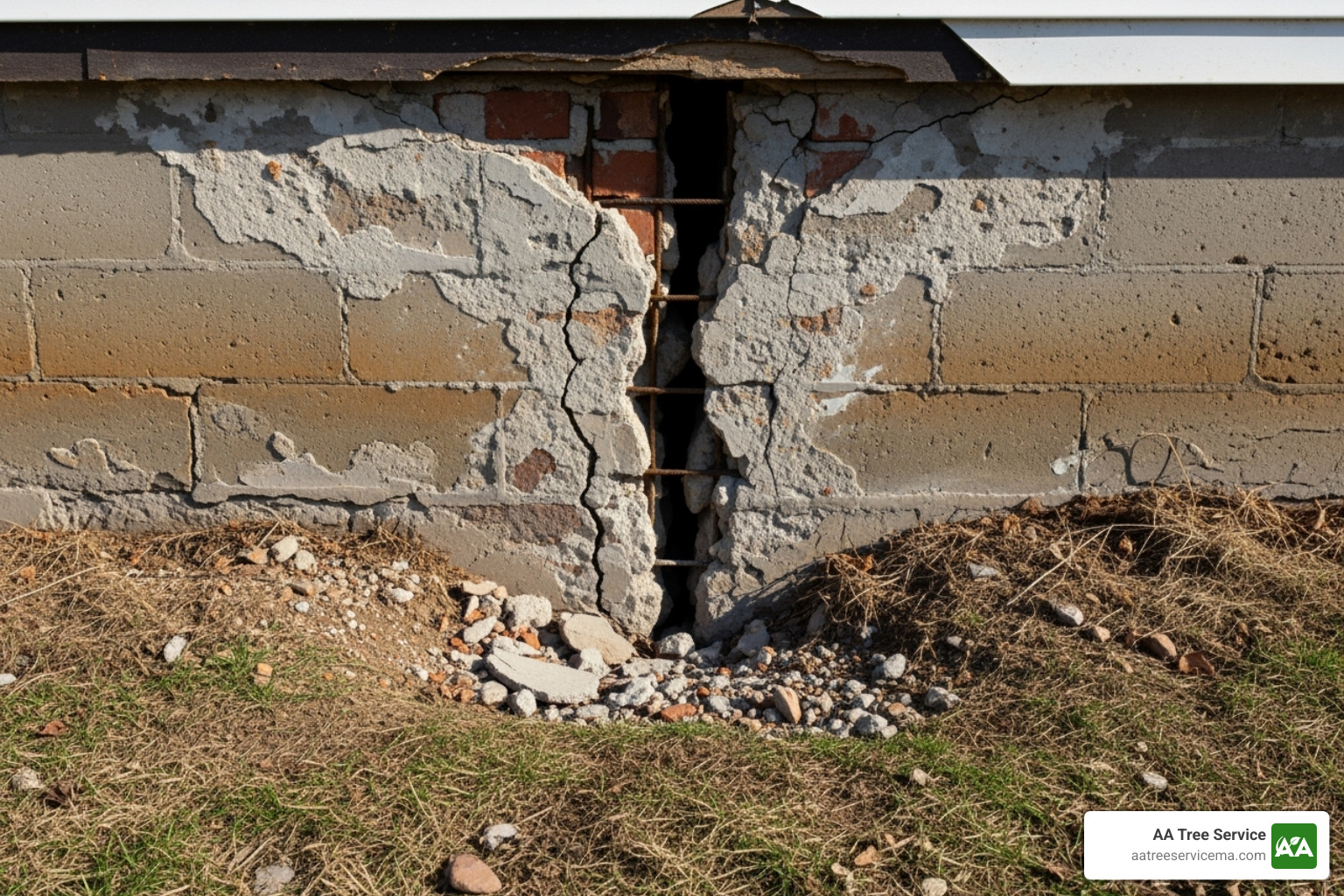
- Severe Structural Damage: The hydraulic pressure exerted by growing roots is immense and relentless. This force leads to cracked foundations, heaved and broken driveways, and buckled sidewalks that are both unsightly and dangerous. This damage is far from cosmetic; it can compromise your home’s structural stability and create significant tripping hazards that increase your liability. Spotting these issues early and removing the offending roots can save you from tens of thousands of dollars in future structural and concrete repair costs.
- Catastrophic Plumbing and Sewer Blockages: Roots are biologically programmed to seek water, and the vapor that escapes from tiny cracks or loose joints in sewer lines acts like a guide. Once a root finds an entry point, it will grow into the pipe, creating a net that catches waste and toilet paper, leading to slow drains, gurgling toilets, and eventually, complete blockages. The resulting sewage backup can flood your basement or yard, causing extensive water damage and creating a serious health hazard. Professional root removal is the only way to effectively clear these blockages and implement solutions to protect your plumbing from future invasions.
- Widespread Lawn and Garden Damage: Is your lawn bumpy and difficult to mow? An uneven lawn with large, snake-like ridges is a classic sign of a shallow, invasive root system. These roots rob your grass, flowers, and shrubs of the water and nutrients they need to survive, leading to patchy, unhealthy-looking landscapes. They can also physically obstruct garden beds and make any new planting projects nearly impossible. Removing these problem roots allows the rest of your landscape to breathe and thrive.
- Essential Preparation for Construction and Landscaping: Any new construction project, from a small patio to a major home addition, requires a stable and clear foundation. Existing tree roots can compromise the integrity of new concrete, asphalt, or building footings. A professional tree root removal service is a critical first step in any land clearing project, ensuring that the site is properly prepared for a successful and long-lasting build. You can find More info about land clearing services on our site.
These warning signs are not minor inconveniences. They are clear indicators of significant underlying problems that, if left unaddressed, will only worsen over time. Prompt action from a professional tree root removal service is the most effective way to protect your property.
A Comprehensive Guide to Tree Root Removal Methods: DIY vs. Professional
When confronted with the destructive power of invasive tree roots, homeowners face a critical choice: attempt a do-it-yourself removal or enlist the help of a professional service. While the DIY route might seem like a cost-saving measure for a very small, isolated surface root, it is fraught with significant risks and is often ineffective. For any root system that is large, deep, or located near critical infrastructure like foundations and utility lines, professional intervention is not just recommended—it is essential for safety, efficiency, and a successful outcome.
The DIY Approach: A Task Requiring Extreme Caution and Realistic Expectations
A DIY root removal should only ever be attempted for minor, easily accessible surface roots that are far from any structures or utility lines. If you proceed, you must do so with full awareness of the potential dangers.
- Required Tools: This is more than a simple shovel job. You will need a heavy-duty shovel or mattock for digging, a sharp root saw or reciprocating saw with a pruning blade for cutting, powerful loppers, and non-negotiable safety gear, including thick work gloves, ANSI-rated eye protection, and steel-toed boots.
- Crucial Safety and Procedural Warnings:
- Call 811 Before You Dig – This is the Law: This is the most important step. Before a shovel ever hits the ground, you must call 811 or visit the national 811 website to have all underground utility lines professionally marked. Hitting a buried gas, water, electric, or communications line can lead to life-threatening situations, costly fines, and extensive community disruption. Do not skip this step.
- Protect the Tree’s Health and Stability: A tree’s health is directly tied to its root system. As a rule of thumb, never remove more than 25% of a tree’s roots. Cutting major structural roots can destabilize the tree, making it a serious falling hazard in a storm. If you wish to save the tree, it is always best to consult a certified arborist before making any cuts.
- Avoid Ineffective and Harmful Chemicals: We strongly advise against the use of chemical root killers for DIY applications. Consumer-grade products are often ineffective on the extensive root systems of mature trees. More importantly, they can be toxic to surrounding plants, contaminate groundwater, and pose a health risk to children and pets. Professional-grade chemicals require a license and specific application techniques to be used safely.
For any situation beyond a single, small surface root in an open area, the risks of property damage, personal injury, and harm to your tree far outweigh any potential savings. A guide to safe tree work
Professional Tree Root Removal Service Techniques
Professionals use a suite of specialized equipment and proven methodologies to tackle complex root problems with precision, safety, and efficiency.
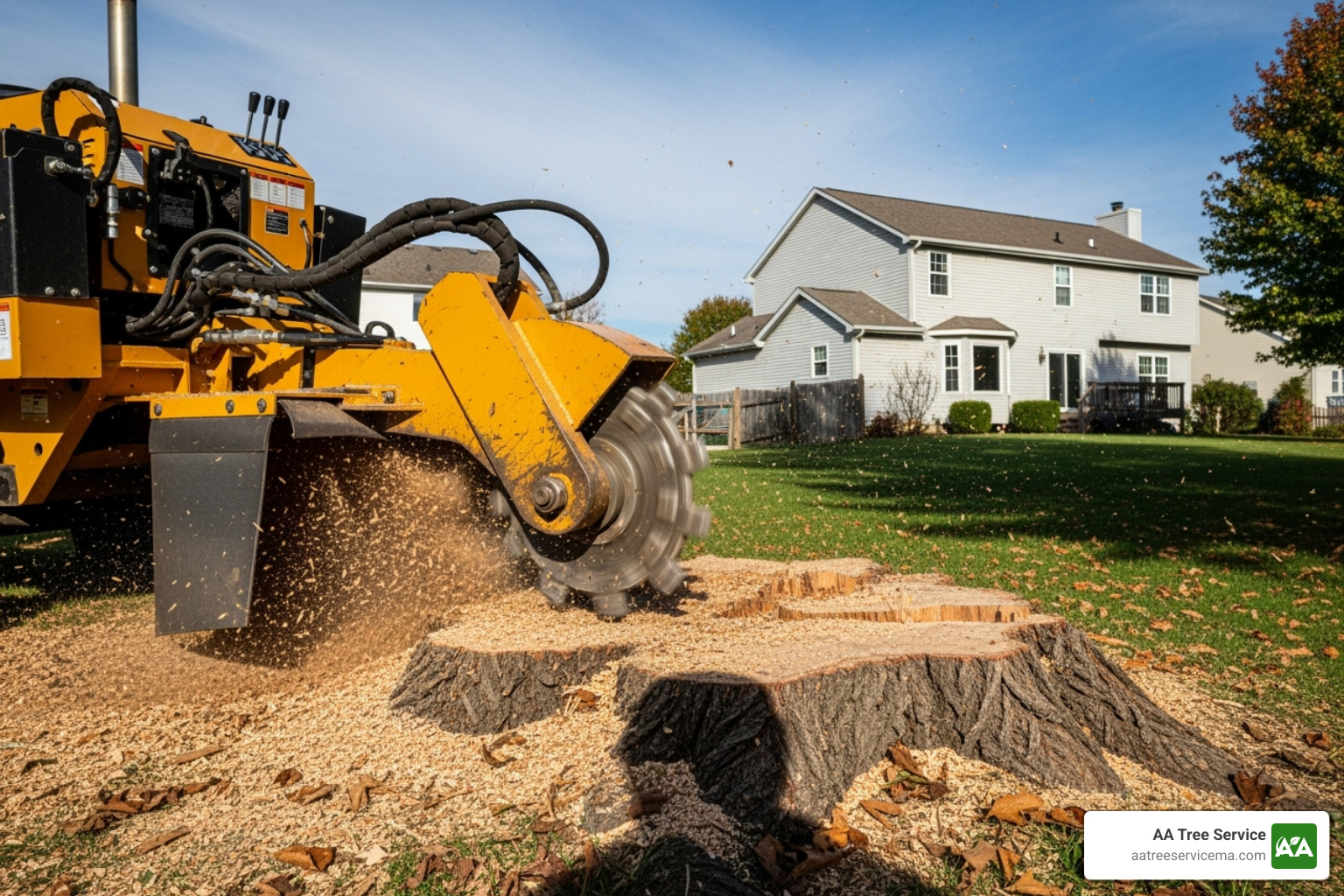
- Mechanical Grinding: For visible stumps and the large roots flaring from them, a stump grinder is the tool of choice. This powerful machine uses a high-speed cutting wheel with carbide teeth to methodically chip away the wood and roots into small mulch, grinding them down well below the soil surface. This eliminates the trip hazard, stops regrowth from the stump, and prepares the area for new topsoil and grass.
- Root System Excavation: In cases where an entire root system must be removed (e.g., before construction), professionals use machinery like mini-excavators to dig up and remove the bulk of the root structure. For more delicate work near foundations or other trees, arborists may use an Air Spade. This tool uses a high-pressure stream of air to safely excavate soil without damaging roots or underground utilities, allowing for precise removal.
- Strategic Root Pruning: When the goal is to protect property while preserving a valuable tree, a certified arborist will perform strategic root pruning. This involves carefully identifying and cutting only the specific roots causing the problem. They may also install a root barrier—a durable underground wall—to redirect future root growth away from sensitive areas. More info about tree pruning services
Addressing Root Intrusion in Sewer and Plumbing Systems
Roots inside pipes are a specialized problem requiring a targeted approach. A professional tree root removal service will follow a clear process:
- Perform a Sewer Camera Inspection: A waterproof, high-resolution camera is fed into the pipe to pinpoint the exact location and severity of the root intrusion. This diagnostic step is crucial for determining the best course of action and assessing the condition of the pipe itself.
- Clear the Roots from the Pipe: Two primary methods are used. A mechanical rooter (or auger) uses spinning blades to cut through the root mass. A more modern and often more effective method is hydro-jetting, which uses extremely high-pressure water to blast roots, grease, and other debris from the pipe walls, leaving them thoroughly clean.
- Repair the Damaged Pipe: Once the pipe is cleared, the entry point must be addressed to prevent regrowth. Modern trenchless repair methods, such as Cured-In-Place Pipe (CIPP) lining, can create a new, seamless pipe within the old one, sealing cracks and joints without the need for major excavation. We coordinate with licensed plumbers to ensure a comprehensive and lasting solution.
How to Hire a Professional Tree Root Removal Service: A Homeowner’s Guide
While the DIY spirit is commendable, tree root removal is a job where professional expertise is paramount. The potential for costly mistakes is simply too high. A professional tree root removal service brings an indispensable combination of experience, specialized equipment, and rigorous safety protocols to handle complex root issues effectively, protecting you and your property from disaster.
Key Indicators That You Need to Call an Expert
It’s time to put down the shovel and pick up the phone when you encounter any of the following scenarios:
- Large, Established Root Systems: Roots that are several inches in diameter or part of a mature tree’s extensive network require heavy-duty equipment for removal.
- Roots Threatening Your Home’s Foundation: Any root growing within ten feet of your foundation is a high-risk problem. A mistake here could lead to thousands in structural repair costs, and only an expert can steer this delicate situation.
- Roots Near Marked Utility Lines: Even after calling 811, working near marked gas, water, or electric lines is extremely dangerous. Professionals are trained to work in these high-consequence zones safely.
- A Desire to Preserve the Tree: If the tree is a valuable part of your landscape, a certified arborist is needed to perform strategic root pruning without killing or destabilizing the tree.
- Plumbing or Sewer Line Blockages: Root intrusion inside pipes requires specialized diagnostic and clearing equipment that only plumbing and root removal experts possess.
- Emergency Situations: If you have a burst pipe due to root intrusion or believe a tree has become unstable from root damage, you need an immediate response. More info about emergency tree services
The Unmistakable Benefits of a Professional Service
Choosing a qualified, professional service provides peace of mind and tangible advantages:
- Safety, Licensing, and Insurance: Our team is fully trained and insured, including both general liability and worker’s compensation. This completely protects you from any liability in the rare event of an accident or property damage. We adhere to strict industry safety standards on every job.
- Access to Proper Equipment: We use industrial-grade stump grinders, excavators, air spades, and hydro-jetting tools. This equipment is far more powerful, effective, and safer than any consumer-grade rental alternative.
- Efficiency and Deep Expertise: Our experienced crews, which include ISA-certified arborists, can diagnose complex problems accurately and complete jobs in a matter of hours that might take a homeowner several weekends of grueling, frustrating labor. What is an ISA-certified arborist?
- Comprehensive Service and Cleanup: A professional job doesn’t end with the root removal. We handle the complete removal of all debris and perform a thorough site cleanup, leaving your property neat, tidy, and ready for its next chapter.
Explaining the Cost of Tree Root Removal
The cost of a professional tree root removal service is highly variable, as each job presents a unique set of challenges. This is why a thorough on-site evaluation is necessary to provide an accurate and fair quote. The final price is influenced by several key factors:
- Root System Size and Complexity: The diameter, depth, and overall spread of the root system are the primary cost drivers.
- Accessibility of the Work Area: Roots in an open, flat yard are easier and less costly to access than roots in a tight space, on a slope, or in a backyard with no equipment access.
- Proximity to Sensitive Structures: Working carefully around foundations, utility lines, septic systems, or hardscaping requires more time and precision, which affects the cost.
- Chosen Removal Method: The price will differ depending on whether the job requires stump grinding, full excavation, delicate root pruning, or sewer line hydro-jetting.
While we provide custom quotes, general industry data can offer a ballpark idea. A simple stump and associated root flare grinding might range from $150 to $790. More extensive root system excavation for large trees or construction prep can range from $250 to over $1,500. Clearing roots from a sewer line is a separate service with its own pricing structure.
We are committed to transparency. We provide free, same-day quotes that are detailed and all-inclusive, covering all labor, equipment use, and complete cleanup, so you know the full scope and cost of the project upfront.
Aftercare and Future-Proofing: A Long-Term Strategy for a Root-Free Property
Successfully removing problematic tree roots is a major victory for your property’s health and safety. However, the job isn’t finished once the crew leaves. Proper aftercare and proactive prevention are the crucial next steps in creating a long-term solution. The goal is to not only restore your landscape but also to implement smart strategies that prevent future root-related headaches, ensuring your Massachusetts or New Hampshire property remains beautiful, safe, and valuable for years to come.
Post-Removal Care and Expert Site Restoration
After a tree root removal service, you’re left with a clean slate and a perfect opportunity to improve your landscape. The first priority is restoring the ground itself.
- Filling and Grading: Any holes or trenches left from the removal must be filled properly to prevent the ground from settling and creating depressions later. Use a quality topsoil or a mix of topsoil and compost. It’s important to add the soil in layers (6-8 inches at a time), lightly compacting each layer to ensure stability. The final grade should match the surrounding lawn and slope away from your home’s foundation.
- Lawn Repair and Re-establishment: For lawn areas, you have two main options for repair. You can lay new sod for an instant, green result, which is excellent for preventing soil erosion. Alternatively, you can use a high-quality grass seed mix appropriate for the New England climate (like a blend of Kentucky bluegrass, perennial ryegrass, and fine fescues). Seeding is more budget-friendly but requires more patience and consistent watering to establish. Proper watering is the key to success for both methods.
These restoration steps do more than just improve aesthetics; they restore soil stability, prevent erosion, and create a healthy environment for your desired plants to flourish.
Preventing Future Root Problems: A Proactive Approach
Smart prevention is the most powerful tool a homeowner has. By making informed choices, you can significantly reduce the risk of dealing with invasive root issues again.
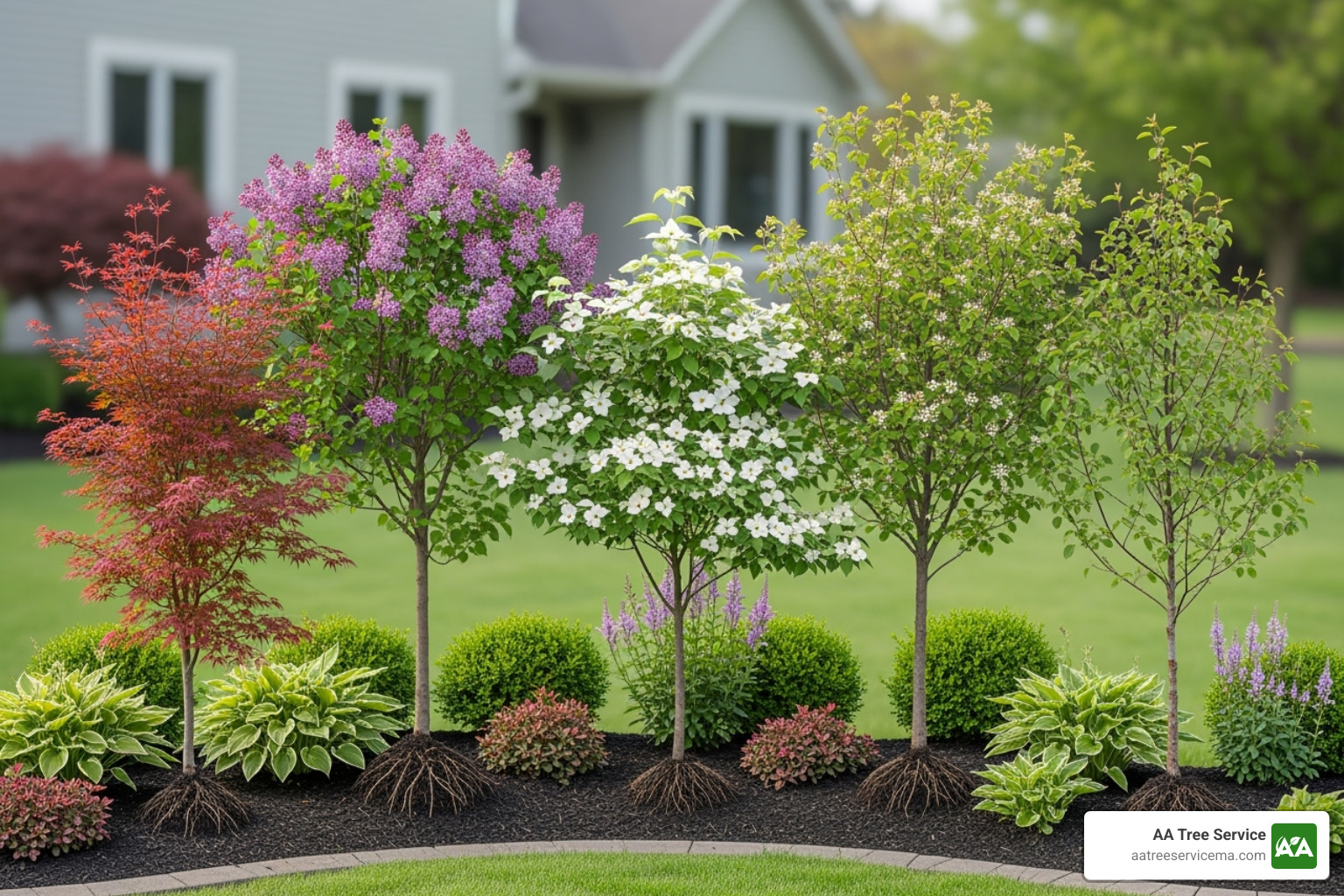
- Choose the Right Tree for the Right Place: When planting new trees, select species known for having non-invasive, deep-growing root systems. For properties in MA & NH, some excellent choices include:
- Small Trees (under 30 ft): Eastern Dogwood, Japanese Maple, Crabapple, Serviceberry. These are perfect for smaller yards or planting closer to patios.
- Medium to Large Trees (with better root habits): Northern Red Oak, Sugar Maple (plant at a safe distance), Hickory. These tend to have deeper taproots when young.
- Trees to AVOID Near Structures: Silver Maple, Norway Maple, Weeping Willow, Poplar species, and American Elm are notorious for aggressive, shallow, water-seeking roots that are a high risk to foundations and pipes.
- Ensure Proper Planting Distance: This is one of the simplest yet most effective preventative measures. A tree’s roots can spread two to three times the width of its canopy. Follow these general guidelines for minimum planting distances:
- Foundations and Septic Systems: Small trees (30 ft tall or less) – 15-20 feet away. Medium to large trees – at least 30-40 feet away.
- Sidewalks and Driveways: Small trees – 8-10 feet away. Medium to large trees – at least 15 feet away.
- Install Root Barriers at Planting Time: For situations where you must plant closer to hardscaping, installing a root barrier can be an effective solution. These are typically 18-24 inch deep panels of plastic or fabric installed in a trench underground. They don’t stop root growth but act as a wall, redirecting roots to grow downwards and away from the structure you want to protect.
- Practice Smart Tree Maintenance: The health of a tree’s canopy is reflected in its roots. A well-cared-for tree is less likely to send out stressed, aggressive roots.
- Deep, Infrequent Watering: Water your trees deeply but infrequently to encourage roots to grow downward in search of moisture, rather than staying near the surface where they can cause problems.
- Proper Mulching: Apply a 2-3 inch layer of organic mulch around the base of your trees (without touching the trunk) to conserve soil moisture and regulate temperature. This reduces the tree’s need to send roots searching for water.
- Regular Pruning: Consult with a certified arborist for regular structural pruning. A healthy, well-balanced tree is a stable tree with a healthier root system.
Frequently Asked Questions about Tree Root Removal
Homeowners often have many questions when facing root problems. Here are detailed answers to some of the most common inquiries we receive about our tree root removal service.
Can I remove tree roots without killing the tree?
Yes, in many cases, this is possible, but it must be done correctly. The process is called selective root pruning and should only be performed by an ISA-certified arborist. An arborist can assess the tree’s health, age, and stability to determine which roots can be safely removed. They understand that cutting major structural or anchor roots can fatally wound a tree or make it dangerously unstable in high winds. As a general guideline, removing more than 25-30% of a tree’s root system within its critical root zone can be lethal. Professional expertise is absolutely essential to protect both your property and your valuable tree.
How do I get rid of the large, ugly tree roots in my lawn?
For minor, shallow roots that are more of an annoyance than a hazard, you can sometimes cover them with a few inches of quality topsoil and reseed the area. However, for widespread or large roots that create significant bumps and make mowing impossible, this is only a temporary fix. The best and safest solution is to have a professional tree root removal service address them. We can use a stump grinder or other specialized equipment to grind the surface roots down below the grade of the lawn without causing massive destruction to the surrounding turf. This provides a smooth, safe, and permanent solution.
Will killing a tree stump also kill all the roots?
Not necessarily, and often not completely. Killing the stump with herbicides will prevent the stump itself from sprouting new growth. However, the vast underground root system can survive for a surprisingly long time. Some species, like poplars or willows, can even send up new shoots (suckers) from the remaining roots elsewhere in your yard. Furthermore, as these large, abandoned roots slowly decay, they can attract termites, ants, and other pests, and the decaying wood can lead to sinkholes and depressions in your lawn. For a truly permanent solution that eliminates all future risks, we recommend complete stump grinding along with the removal of major surface roots.
How can I tell if tree roots are causing my plumbing problems?
There are several classic signs. If you experience slow drains in multiple fixtures (like a toilet and a nearby shower), hear gurgling sounds from your toilets, or have recurring clogs that keep coming back even after being snaked, roots are a primary suspect. Another tell-tale sign is a sudden, unusually lush and green patch of grass in your lawn, which could indicate a leak from your sewer line caused by root intrusion. The only way to be 100% certain is with a professional sewer camera inspection.
Will my homeowner’s insurance cover damage from tree roots?
This is a tricky question, and the answer is ‘it depends’. Most standard homeowner’s insurance policies will cover damage to your home’s structure itself, such as a cracked foundation. However, they often do not cover the cost of removing the tree or roots that caused the damage. Furthermore, damage to external structures like pipes, driveways, sidewalks, or septic systems is frequently excluded. It is crucial to read your specific policy carefully and speak with your insurance agent to understand your coverage.
Is it better to just remove the whole tree if the roots are a problem?
Sometimes, yes. This is a decision that should be made after a consultation with a certified arborist. They will assess the situation holistically. If the problematic roots are so large or numerous that removing them would compromise more than 30% of the root system, the tree would likely become unstable and a falling hazard. In such cases, the safest and most responsible long-term solution is to remove the entire tree. You can learn more about our stump grinding services here.
Conclusion: Protect Your Property with Professional Root Management
From the silent, creeping cracks in a foundation to the sudden, messy backup of a blocked sewer line, the warning signs of invasive tree roots are clear. They signal a significant threat to your property’s safety, integrity, and value. While a single, small surface root might seem like a manageable DIY task, the vast majority of root problems are complex and carry substantial risks. Attempting to resolve them without the proper knowledge and tools can easily lead to personal injury, irreversible damage to a prized tree, or a catastrophic mistake like striking a utility line.
Choosing a professional tree root removal service is an investment in peace of mind. It ensures the job is handled with the highest standards of safety and efficiency, protecting your home and landscape from further harm and saving you from the stress and expense of far costlier future repairs. For homeowners across Massachusetts and New Hampshire, the benefits are undeniable: expert diagnosis, a safe and effective solution, and a clean, fully restored property.
As a local, fully insured, and highly experienced company, AA Tree Service is dedicated to providing lasting solutions to your most challenging tree root problems. Our team, including ISA-certified arborists, has the expertise to accurately diagnose the issue and execute a plan that resolves it for good. Don’t wait for a hidden root problem to become a major headache.
Ready to take back control of your property and ensure its long-term health? Contact us for a professional tree root removal consultation today and let our experts provide the solution you need.