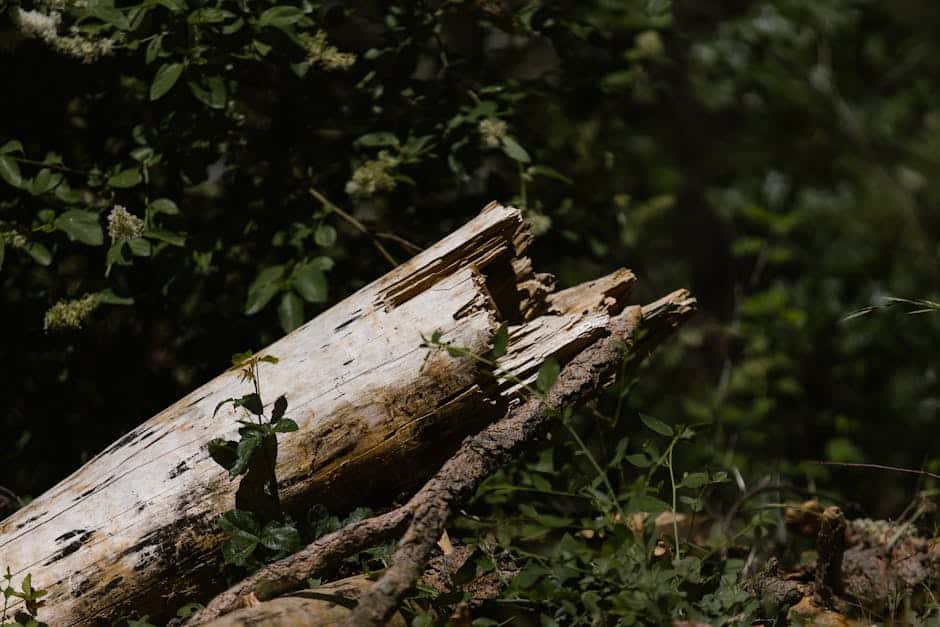
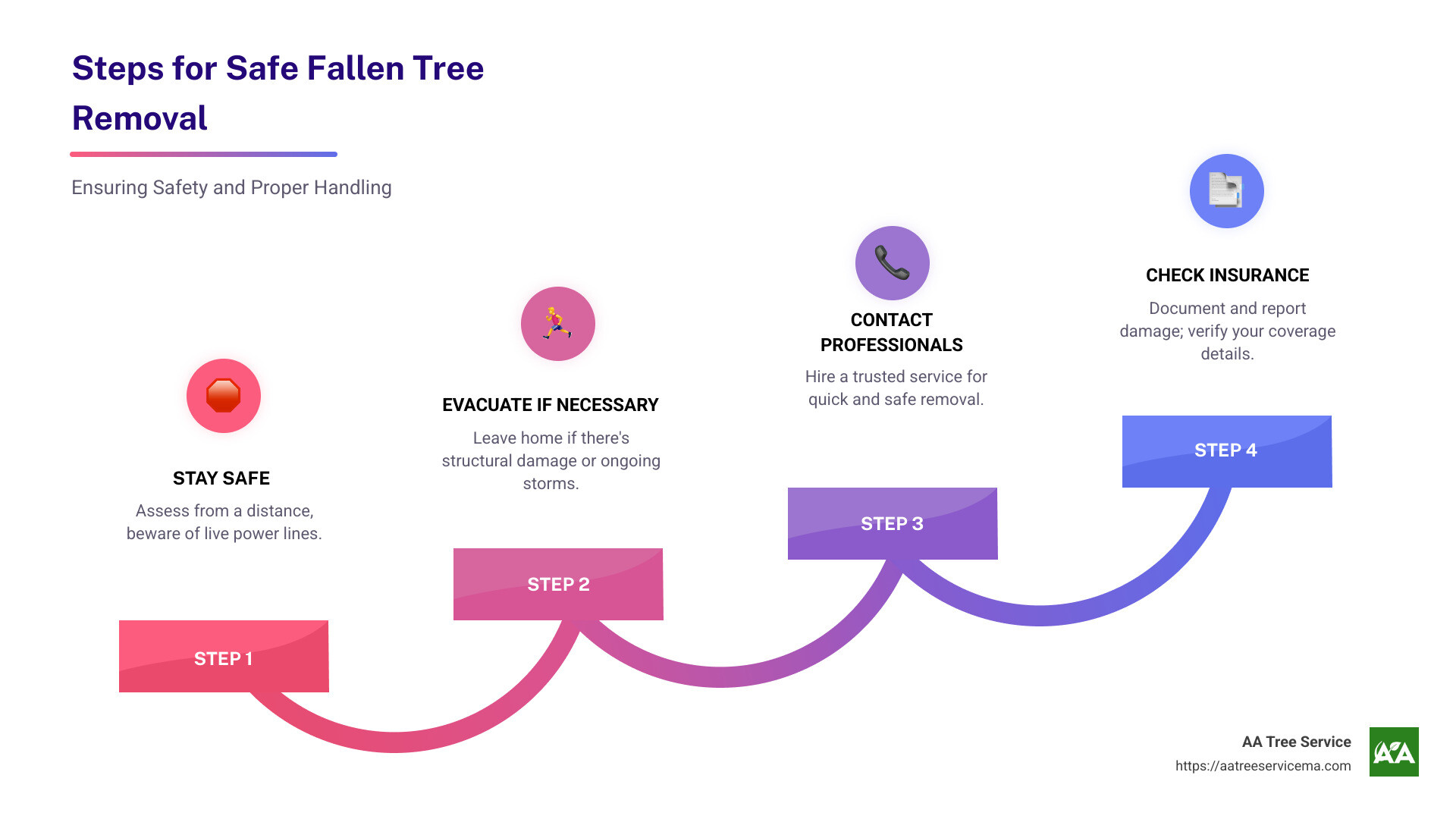
Fallen tree removal isn’t just about clearing away debris; it’s a critical step in ensuring the safety and integrity of your property. When a tree crashes down, whether due to a storm or decay, it can cause significant harm and disruption. Here’s a quick rundown of how to handle fallen trees:
- Stay Safe: Always assess from a distance first. Be aware of live power lines and structural damage.
- Evacuate if Necessary: If the tree impacts your home, especially during ongoing inclement weather, consider leaving until it’s safe.
- Contact Professionals: Call a trusted service like AA Tree Service for removal.
- Check Insurance: Notify your insurance company; your policy may cover removal costs depending on the cause.
- Document Damage: Take photos for insurance and service professionals.
A fallen tree can wreak havoc, not just by damaging roofs, fences, or vehicles, but by posing hazards like downed power lines. These situations require quick action and professional expertise to manage safely.
A staggering number of homeowners across Massachusetts and New Hampshire face these threats yearly. In such emergencies, knowing the right steps can shield your home from further devastation and ensure swift recovery. Prioritizing safety and professional assistance is crucial.
AA Tree Service is equipped to help with professional and efficient tree removal, ensuring your safety and peace of mind. Trust in experts is essential to handling such challenges effectively.
Terms related to fallen tree removal:
– emergency tree branch removal
– storm cleanup services
– storm damaged
Assessing the Damage
When a tree falls, the first step is to assess the damage from a safe distance. Fallen trees can cause structural harm, disrupt power lines, and even block access to your home. Here’s how to evaluate the situation safely and effectively:
Damage Assessment
- Observe from Afar: Start by examining the tree and surrounding area from a distance. Look for any immediate hazards like downed power lines or leaning trees that could fall next.
- Identify Impact Areas: Determine where the tree has landed. Has it damaged your roof, walls, or windows? Is it blocking driveways or pathways? This will help prioritize urgent repairs and safety measures.
- Document Everything: Take photos of the damage for insurance purposes. This documentation will be crucial when filing claims or hiring professional services.
Maintaining a Safety Distance
Maintaining a safety distance is essential to prevent injuries. Trees can shift unexpectedly, especially if they are partially supported by structures or other trees.
- Stay Clear of Power Lines: If the tree has fallen on or near power lines, keep a safe distance and avoid touching anything metal near the site. Contact your utility company immediately.
- Avoid Unstable Structures: If the tree has impacted your home, stay clear of affected areas until a professional has assessed the structural integrity.
Evacuation
In severe cases, evacuation may be necessary. If the tree has caused significant structural damage or if there’s a risk of further falling debris, leave the premises immediately.
- Plan Ahead: Have an evacuation plan in place. Know where to go and how to communicate with family members during emergencies.
- Temporary Shelter: Find a safe place to stay until the tree is removed and your home is deemed safe for return.

By following these steps, you can ensure your safety and minimize the risk of further damage. Always prioritize contacting professionals like AA Tree Service for expert assistance in handling fallen trees and assessing the damage accurately.
Next, we’ll dig into Fallen Tree Removal, focusing on professional services and cost factors.
Fallen Tree Removal
When a tree falls, it’s crucial to handle the situation with care and expertise. Fallen tree removal is not just about clearing the debris; it involves careful consideration of several factors to ensure safety and efficiency.
Cost Considerations
Removing a fallen tree can vary widely in cost. Factors like the tree’s size, its location, and how accessible it is will all play a role in determining the final price.
- Size Matters: Larger trees naturally require more resources to remove. As a general guide, removal costs can range from $150 to over $1,500, with larger trees on the higher end of the spectrum.
- Location and Accessibility: Trees that are easy to access will cost less to remove. If a tree has fallen in a hard-to-reach area, such as near power lines or in a densely wooded area, expect the cost to increase.
- Additional Complications: Storm-damaged or partially fallen trees may require special handling, which can also increase costs.
These costs are averages based on internet data and not specific to AA Tree Service. Always get a detailed quote from a professional service to understand the potential expenses involved.
Choosing a Professional Service
Selecting the right professional service for fallen tree removal is essential for a safe and thorough job. Here’s what to consider:
- Experience and Expertise: Opt for a company with a proven track record. Experienced professionals will know how to handle complex situations, such as storm-damaged trees or those near structures.
- Equipment and Techniques: A well-equipped service will use the latest tools and techniques, including cranes for hard-to-reach trees. This ensures the job is done safely and efficiently.
- Insurance and Compliance: Make sure the company is fully insured. This protects you from liability in case of accidents during the removal process.
- Local Knowledge: Companies familiar with Massachusetts and New Hampshire regulations can steer any local legal requirements, ensuring compliance and peace of mind.
Choosing a professional service like AA Tree Service ensures you get a reliable and efficient solution. Their expertise and equipment make them a trusted choice for handling tree removal in any scenario.
Next, we’ll explore the Insurance and Legal Responsibilities associated with fallen tree removal, providing you with a clear understanding of your rights and obligations.
Insurance and Legal Responsibilities
When dealing with a fallen tree, understanding your insurance coverage and legal responsibilities is crucial. Here’s what you need to know:
Insurance Coverage
Homeowner’s insurance typically covers damage caused by fallen trees, but the specifics depend on the circumstances. If a healthy tree falls due to a storm, your policy may cover the repair costs for your home and structures. However, if the tree was dead or diseased and you failed to remove it, insurance might not cover the damage.
- Covered Events: Most policies cover damage from storms, wind, or lightning. If a tree falls due to these causes, your insurance is likely to help with repairs.
- Exclusions: Damage from neglect, such as not removing a known hazardous tree, typically isn’t covered. Always check your policy details to understand what is and isn’t included.
- Tree Removal Costs: If a tree falls and causes no damage, removal costs are generally not covered. However, if it blocks access to your home, like your driveway, some policies might cover the removal.
Homeowner Responsibility
As a homeowner, you have certain responsibilities when it comes to trees on your property.
- Preventive Maintenance: Regular tree maintenance, such as pruning and removing dead branches, can prevent potential hazards. Neglecting these duties could leave you liable for damages if a tree falls.
- Neighbor’s Trees: If a neighbor’s tree falls on your property due to natural causes, your insurance might cover the damage. But if the tree was neglected or diseased, your neighbor could be held responsible.
Policy Details
Understanding the specifics of your insurance policy is essential. Here are some tips:
- Review Your Policy: Regularly check your insurance policy to understand the coverage limits and exclusions related to tree damage.
- Consult Your Agent: If you’re unsure about your coverage, speak with your insurance agent. They can clarify what your policy includes and advise on any additional coverage you might need.
- Documentation: In the event of a claim, document everything. Take photos of the damage and keep records of any communications with your insurance company.
By staying informed about your insurance coverage and responsibilities, you can steer the complexities of fallen tree incidents with confidence.
Next, we’ll discuss how to prevent future incidents through proactive tree care and maintenance.
Preventing Future Incidents
To avoid the hassle and expense of dealing with fallen trees, proactive tree care is essential. Let’s look at some key strategies: tree maintenance, pruning, and reinforcement.
Tree Maintenance
Regular tree maintenance is your first line of defense against potential hazards. Healthy trees are less likely to fall or drop branches during storms.
- Routine Inspections: Schedule regular checks by a certified arborist. They can identify signs of disease or decay that might not be obvious to the untrained eye.
- Soil and Watering: Ensure trees have adequate soil nutrition and water, especially during dry spells. This keeps them strong and resilient.
Pruning
Pruning isn’t just for aesthetics; it’s crucial for tree health and safety.
- Remove Deadwood: Regularly cutting away dead or diseased branches prevents them from becoming projectiles in high winds.
- Shape and Balance: Proper pruning helps maintain a tree’s structure, reducing the risk of it becoming top-heavy and susceptible to falling.
- Professional Help: Always opt for professional services, like those offered by AA Tree Service, especially for large or hard-to-reach branches.
Reinforcement
In some cases, reinforcing your trees and property can provide additional safety.
- Cabling and Bracing: These techniques support weak branches or trunks, reducing the risk of breakage.
- Barrier Installation: Install barriers or windbreaks to shield trees from strong winds.
- Property Reinforcement: Consider reinforcing your home’s structure. Use materials like stones or metal grids to protect vulnerable areas.
By investing in routine tree maintenance and taking preventive measures, you protect not only your trees but also your home and family from future incidents.
Next, we’ll tackle some frequently asked questions about fallen tree removal to help you better understand the process and responsibilities involved.
Frequently Asked Questions about Fallen Tree Removal
How much does it cost to remove a fallen tree?
The cost of fallen tree removal can vary significantly based on several factors. On average, removing a fallen tree can cost anywhere from $300 to $3,600. The size of the tree is a primary determinant.
- Small Trees (10’-30’): $300 – $500
- Medium Trees (30’-60’): $500 – $1,500
- Large Trees (60’-120’): $1,500 – $3,600
These figures are based on general internet data and not specific to AA Tree Service. The location and accessibility of the tree also impact the cost. If a tree is in a hard-to-reach area, like behind a fence or near power lines, expect the price to be on the higher end.
Who is responsible for removing a fallen tree?
Responsibility for removing a fallen tree typically falls on the property owner where the tree has landed. If a tree from your property falls onto a neighbor’s land, you might not be responsible unless neglect, such as failing to remove a known dead tree, is proven.
- Homeowner Responsibility: If a tree falls due to natural causes like wind, the homeowner where the tree has fallen is usually responsible for the removal.
- Legal Aspects: If neglect is a factor, such as a diseased tree that should have been removed, the original tree owner might be liable for damage and removal costs. Consulting with local regulations and legal advice is recommended to clarify responsibilities.
Is fallen tree removal covered by insurance?
Insurance coverage for fallen tree removal depends on several conditions outlined in your homeowner’s policy. Generally, if a tree falls due to a covered peril, like wind or a storm, your insurance may cover the cost of removal and repair of any damage.
- Insurance Policies: Most standard homeowner’s insurance policies cover damage caused by falling trees if the cause is a covered peril.
- Coverage Conditions: If the tree was healthy and fell due to a storm, the policy might cover removal costs. However, if the tree was dead or diseased, and you neglected to remove it, coverage might be denied.
For specific details, always review your insurance policy or speak directly with your insurance provider to understand your coverage thoroughly.
Understanding these aspects can help you steer the complexities of dealing with fallen trees, ensuring you are prepared and informed when incidents occur.
Conclusion
At AA Tree Service, we understand that dealing with a fallen tree can be stressful and overwhelming. That’s why we are committed to providing exceptional fallen tree removal services in Massachusetts and New Hampshire. With over 20 years of experience, our team is ready to handle any emergency situation with efficiency and care.
Customer Satisfaction is Our Priority
Our commitment to customer satisfaction is unwavering. We offer 24/7 emergency services to ensure that you have access to professional help whenever you need it. Our experienced technicians are equipped with the best tools and training to safely and quickly remove fallen trees, minimizing any additional damage to your property.
Why Choose AA Tree Service?
- Expertise: Our team is highly skilled and knowledgeable, ensuring that every job is done right the first time.
- Reliability: We provide free same-day quotes, so you know what to expect without any hidden surprises.
- Comprehensive Services: Beyond tree removal, we offer tree pruning, land clearing, and more to keep your property safe and beautiful.
When a tree falls, you need a service you can trust. That’s where we come in. Our dedication to quality service and customer care makes us a preferred choice for many homeowners. Whether you’re facing an emergency or planning preventive measures, AA Tree Service is here to help.
For more information on our services or to request emergency assistance, visit our Emergency Tree Removal page. Let us be your partner in maintaining a safe and beautiful outdoor environment.