Tree trimming reading is an essential practice for maintaining healthy, safe, and attractive landscapes. Whether you’re looking to improve your home’s curb appeal, ensure the safety of your property, or improve the overall health of your trees, understanding the basics of tree trimming is crucial. Here’s a quick rundown for those in Reading, Massachusetts, and Southern New Hampshire:
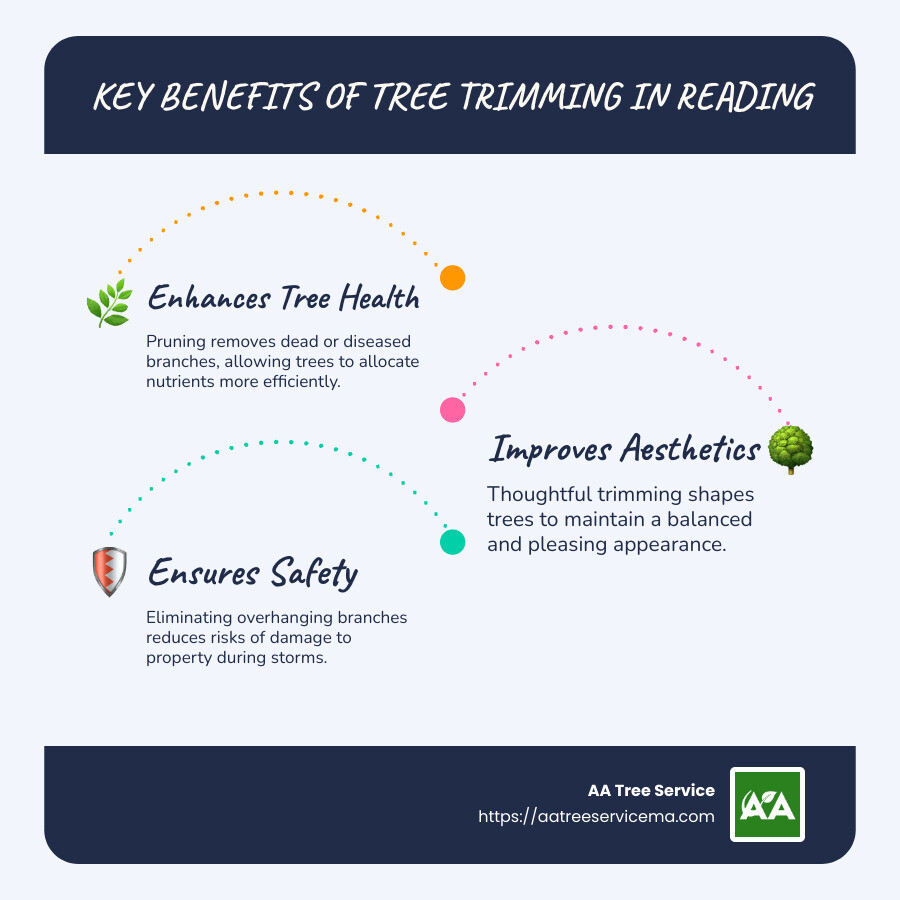
- Improves Tree Health: Pruning removes dead or diseased branches, allowing trees to allocate nutrients more efficiently.
- Improves Aesthetics: Thoughtful trimming shapes trees to maintain a balanced and pleasing appearance.
- Ensures Safety: Eliminating overhanging branches reduces risks of damage to property during storms.
AA Tree Service, with its seasoned expertise in Massachusetts and New Hampshire, provides reliable and professional trimming services. A well-maintained tree not only adds beauty but also contributes to a safer and more sustainable environment.
Proper pruning and trimming cater to the individual needs of each tree. Tree trimming is not just about cutting branches but involves skilled techniques such as crown thinning, crown raising, and directional pruning to ensure optimal growth and structure. Engaging professionals like AA Tree Service guarantees that your trees receive the care they deserve, keeping your property aesthetically pleasing and safe throughout the year.
Easy tree trimming reading glossary:
Understanding Tree Trimming
Tree trimming is more than just cutting branches. It’s an art and a science that involves understanding tree biology and using the right techniques to promote health and safety. Let’s explore some key aspects:
Pruning Techniques
Pruning techniques are essential for maintaining tree health and structure. Some common methods include:
- Dead and Diseased Branch Removal: This involves cutting off branches that are dead or infected to prevent disease spread and redirect nutrients to healthier parts of the tree.
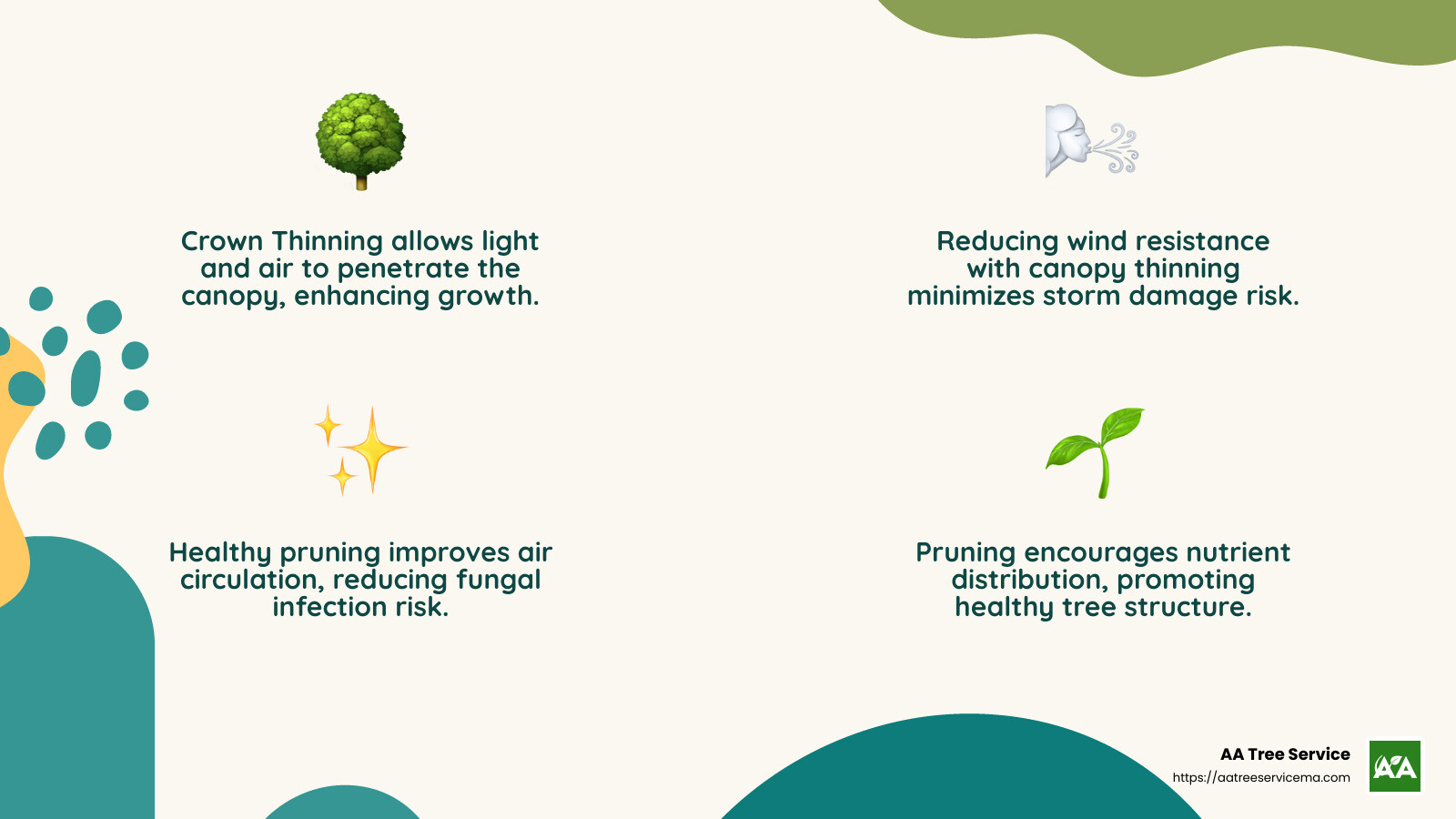
- Crown Thinning: This technique selectively removes branches to reduce the density of the tree’s canopy. It allows more light and air to reach the inner branches, promoting healthier growth and reducing the risk of storm damage.
- Crown Raising: This involves removing the lower branches of a tree to provide clearance for pedestrians, vehicles, or buildings without compromising the tree’s balance.
Each of these techniques requires precision and knowledge, making professional services invaluable.
Tree Health
Healthy trees are less likely to become hazards. Regular pruning helps trees by:
- Improving Air Circulation: Thinning the canopy allows for better airflow, reducing the risk of fungal infections.
- Enhancing Nutrient Distribution: By removing unnecessary branches, trees can allocate resources more efficiently to vital parts, boosting overall vitality.
- Encouraging Growth: Proper pruning stimulates new growth, ensuring a robust and healthy tree structure.
Canopy Thinning
Canopy thinning is a strategic approach to tree trimming that focuses on reducing the density of the tree’s foliage. This technique is particularly useful for:
- Reducing Wind Resistance: A thinner canopy allows wind to pass through more easily, reducing the chances of the tree being uprooted during storms.
- Increasing Light Penetration: More light reaching the interior branches encourages growth and supports the health of the entire tree.
By employing these techniques, tree trimming can significantly improve the longevity and beauty of your trees.
Tree trimming in Reading, Massachusetts, and Southern New Hampshire is not just about aesthetics—it’s about maintaining a safe and healthy environment. With professional services like AA Tree Service, you can ensure that your trees are trimmed correctly and efficiently. This not only preserves the beauty of your landscape but also contributes to the overall safety and sustainability of your property.
Benefits of Regular Tree Trimming
Regular tree trimming offers numerous advantages that go beyond just keeping your yard looking neat. When done right, it ensures safety, improves aesthetics, and aids in disease prevention.
Safety
Tree trimming significantly reduces safety risks associated with overgrown or unstable branches.
- Preventing Property Damage: Overgrown branches can fall during storms, damaging roofs, cars, or power lines. Regular trimming minimizes these risks by keeping branches in check.
- Reducing Personal Injury Risks: Low-hanging branches can obstruct walkways and pose a hazard. By raising the canopy, you ensure clear and safe paths for pedestrians.
According to industry insights, keeping trees well-pruned can prevent many common accidents.
Aesthetics
A well-trimmed tree is a beautiful tree. Regular trimming improves the visual appeal of your landscape.
- Improving Shape and Structure: Pruning helps maintain a tree’s natural form, making your yard look well-kept and inviting.
- Boosting Curb Appeal: A tidy landscape can increase property value and make your home more attractive to potential buyers.
Disease Prevention
Trimming isn’t just about looks; it’s also a crucial part of disease prevention.
- Removing Diseased Parts: Cutting away diseased branches prevents the spread of infections to healthier parts of the tree.
- Improving Airflow: Thinning the canopy allows for better air circulation, reducing the chance of fungal diseases.
By maintaining a regular tree trimming schedule, you ensure your trees remain healthy and vibrant for years to come.
Regular tree trimming is essential for maintaining a safe, beautiful, and healthy landscape. With expert service providers like AA Tree Service, you can rest easy knowing your trees are in good hands.
Tree Trimming Reading: Essential Tips
When it comes to tree trimming in Reading, understanding the local climate, seasonal timing, and the importance of professional services can make a significant difference in the health and appearance of your trees.
Local Climate
Reading, MA experiences a range of weather conditions throughout the year, from snowy winters to warm, humid summers. These fluctuations can affect tree growth and health.
- Winter Challenges: Heavy snow and ice can weigh down branches, making them more prone to snapping. Trimming before winter can help reduce this risk.
- Summer Growth Spurts: Trees often grow rapidly in the summer, which can lead to overcrowded branches. Trimming during this period helps manage growth and maintain a healthy structure.
Understanding these climate impacts helps in planning an effective trimming schedule.
Seasonal Timing
Timing is crucial for effective tree trimming. The best time to trim trees in Reading usually depends on the type of tree and its growth cycle.
- Late Winter or Early Spring: This is generally the best time to trim most trees. Trees are dormant, which minimizes stress and helps prevent disease spread.
- Avoid Late Summer and Fall: Trimming during these times can stimulate new growth that may not harden before winter, leading to damage.
By aligning your trimming schedule with the seasons, you ensure optimal growth and health for your trees.
Professional Services
While some light pruning can be done by homeowners, professional tree trimming services are highly recommended for more extensive work.
- Expertise and Equipment: Professionals have the tools and knowledge to handle large trees safely. They can also identify and manage potential issues like disease or structural weakness.
- Safety First: Tree trimming can be dangerous without the right equipment and experience. Professionals can safely manage even the most challenging trimming tasks.
Using professional services not only ensures the health of your trees but also the safety of your property and yourself.
By considering these essential tips, you can maintain your trees’ health and beauty, ensuring they thrive in Reading’s unique climate. Whether you tackle small tasks yourself or hire experts, keeping your trees well-maintained pays off in safety, aesthetics, and longevity.
Average Costs of Tree Trimming
When considering tree trimming in Reading, understand the cost factors involved, average pricing, and the differences between hiring professionals and doing it yourself.
Cost Factors
Several factors influence the cost of tree trimming:
- Tree Size and Type: Larger and more complex trees typically cost more to trim. Certain species may also require special care, affecting the price.
- Accessibility: Trees that are difficult to access, perhaps due to proximity to structures or power lines, can increase labor costs.
- Health and Condition: Diseased or damaged trees might need more attention, raising the cost of services.
- Location: Prices can vary based on regional demand and local regulations in Reading, MA.
Average Pricing
While specific costs can vary widely, here’s a general idea of tree trimming costs:
- Small Trees (up to 30 feet): Typically range from $75 to $400.
- Medium Trees (30-60 feet): Usually cost between $150 and $800.
- Large Trees (over 60 feet): Can range from $300 to $2,000 or more.
These are average costs based on internet data and not actual costs for AA Tree Service. The high end of the range reflects additional complexities, such as tree health issues or difficult access.
Professional vs DIY
Deciding between hiring professionals and doing it yourself depends on several factors:
- Skill and Safety: Professional services offer expertise and safety. Tree trimming can be hazardous, especially for large trees or those near structures.
- Equipment Needs: Professionals come equipped with specialized tools, which may not be cost-effective for homeowners to purchase for occasional use.
- Time and Effort: DIY trimming can be time-consuming and physically demanding. Hiring professionals saves time and ensures the job is done right.
While DIY might seem cost-effective for small tasks, professional tree trimming services are often the best choice for larger or more complex jobs, ensuring safety and quality work.
Understanding these cost factors and options can help you make informed decisions about maintaining the health and beauty of your trees in Reading. Whether you choose to hire professionals or tackle smaller tasks yourself, investing in tree care pays off in the long run.
Frequently Asked Questions about Tree Trimming
How often should trees be trimmed?
Tree trimming frequency depends on several factors, including the type of tree and its growth rate. Most trees benefit from trimming every 3 to 5 years. However, fast-growing species might require more frequent attention. Regular trimming helps maintain tree health, encourages strong growth, and prevents potential hazards. Consulting with a professional arborist can provide a custom schedule that suits your specific needs.
What are signs that a tree needs trimming?
There are several signs indicating that a tree might need trimming:
- Dead or Diseased Branches: If you notice dead limbs or branches with disease symptoms, it’s time for a trim to prevent further spread.
- Overgrown Branches: Branches growing too close to structures or power lines pose safety risks and should be trimmed back.
- Crossing or Rubbing Branches: These can damage the tree and should be pruned to promote healthy growth.
- Irregular Shape or Balance: A misshapen tree may benefit from trimming to restore its natural form and balance.
Recognizing these signs early can prevent more significant issues and ensure the tree remains healthy and safe.
Is tree trimming safe to do on my own?
While it might be tempting to tackle tree trimming yourself, consider the risks involved:
- Safety Hazards: Trimming trees, especially large ones, can be dangerous. It often involves working at heights and handling heavy branches.
- Proper Equipment: Professionals have the right tools and safety gear to perform the job efficiently and safely.
- Expertise Required: Understanding tree biology and proper pruning techniques is crucial to avoid harming the tree.
For small trees and low branches, DIY might be feasible. However, for larger trees or those near structures, hiring professionals ensures safety and quality work. As highlighted in our research, professional services offer expertise and peace of mind, making them a wise choice for most homeowners.
Conclusion
At AA Tree Service, we are committed to delivering exceptional tree care solutions that prioritize customer satisfaction. With over 20 years of experience, our team is dedicated to maintaining the health and beauty of your trees while ensuring safety and efficiency. Our extensive range of services, including tree trimming, removal, and emergency services, are designed to meet the unique needs of residents in Massachusetts and New Hampshire.
Customer satisfaction is at the heart of everything we do. We understand that each tree and landscape is unique, and we tailor our services to meet your specific requirements. Our certified arborists are equipped with the knowledge and skills necessary to handle any tree-related task, ensuring that your outdoor space remains safe and aesthetically pleasing.
In addition to our regular services, we offer 24/7 emergency services to address urgent tree situations caused by storms or other unforeseen events. Our quick response and expert care help mitigate potential hazards and restore your property to its original condition.
Choosing AA Tree Service means choosing a partner dedicated to enhancing your landscape’s health and beauty. Our commitment to customer satisfaction and safety sets us apart as a leading tree care provider. Whether you need routine maintenance or emergency assistance, our team is here to help.
For more information about our services or to schedule a consultation, visit our tree removal page. Let us help you achieve a safe and beautiful outdoor environment.