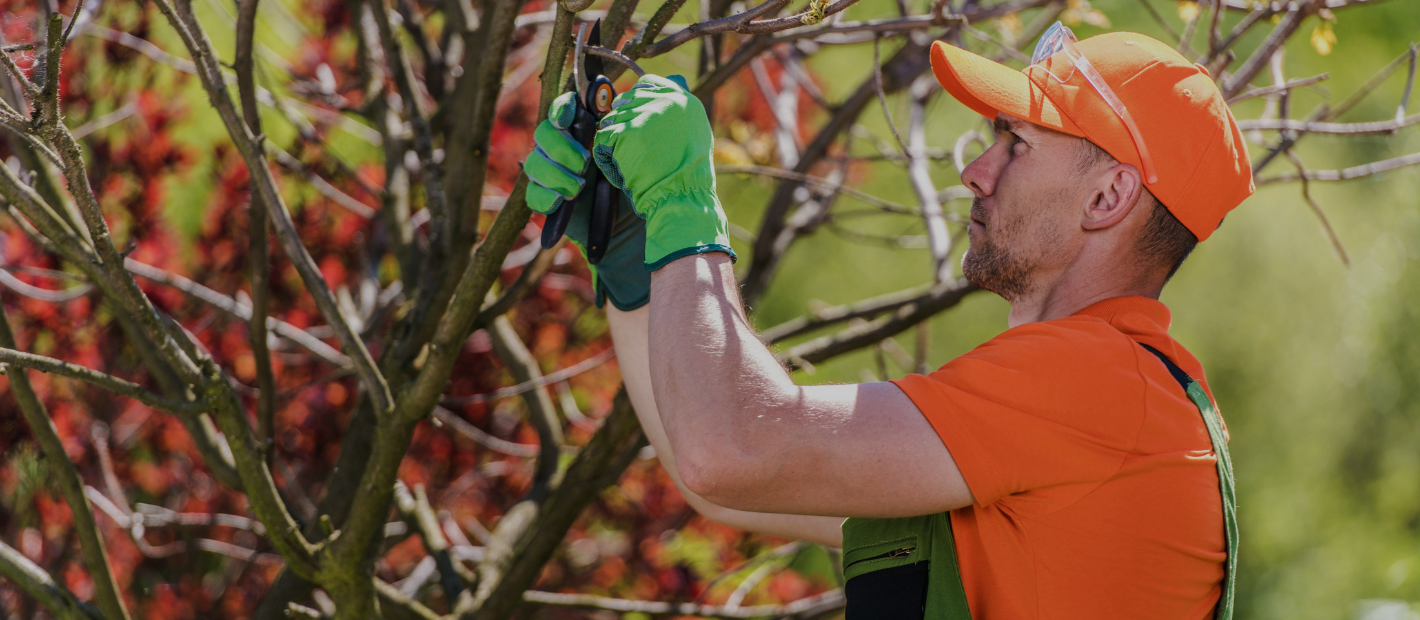
The right time to prune your dogwood — and why timing matters more than technique
If you own a dogwood in Massachusetts or New Hampshire, you already know it’s one of the most beautiful trees you can plant. But dogwoods are also one of the most sensitive — and pruning at the wrong time of year is one of the fastest ways to damage or kill them.
Most homeowners don’t realize this:
A perfectly executed pruning cut made in the wrong season can do more harm than a sloppy cut made at the right time.
At AA Tree Service, we get calls every spring from homeowners who pruned their dogwoods in March or April and are now watching them decline. The good news? With the right timing and technique, your dogwood can thrive for decades.
Here’s exactly when to prune your dogwood in New England — and what to avoid.
Why Timing Matters More Than You Think
Dogwoods bleed sap heavily when pruned during active growth. That sap loss weakens the tree and creates open wounds that attract dogwood borers — a pest that can kill an otherwise healthy tree within two seasons.
Pruning during dormancy avoids both problems. The tree isn’t moving sap, the wounds seal cleanly before insects emerge in spring, and you can clearly see the branch structure without leaves in the way.
The Best Time to Prune Dogwoods in MA and NH
In our climate, the ideal pruning window is:
- Mid-November through late February — fully dormant, no sap movement, no active pests.
- After the first hard freeze — confirms the tree has gone dormant.
- Before late February thaw — once buds start swelling, you’ve waited too long.
For more on technique once you’re in the right window, our complete guide to trimming a dogwood tree walks through proper cuts, tool selection, and shaping strategy.
When NOT to Prune Your Dogwood
Avoid these windows entirely:
- Spring (March–May): Heavy sap bleeding, peak borer activity, and active flower development. Pruning now can mean no blooms next year.
- Summer (June–August): Open wounds invite anthracnose, a fungal disease that’s already widespread in New England dogwoods.
- Early fall (September–October): The tree is preparing for dormancy. New growth triggered by pruning won’t harden off before winter and will die back.
Tree vs. Bush: They’re Pruned Differently
Not all dogwoods are pruned the same way. The approach depends on the form:
- Tree-form dogwoods (like Cornus florida) need minimal pruning — mostly deadwood, crossing branches, and light shaping. Our guide to pruning an overgrown dogwood tree covers restorative pruning for older trees.
- Shrub-form dogwoods (like red twig and yellow twig) benefit from harder rejuvenation pruning to keep stem color vibrant. See our dogwood bush pruning guide for the full method.
The 25% Rule
Never remove more than a quarter of a dogwood’s canopy in a single year. Dogwoods are slow to recover, and over-pruning causes:
- Sunscald on newly exposed bark
- Weak, water-sprout regrowth
- Reduced flowering for 2–3 seasons
- Increased vulnerability to borers and disease
If your dogwood needs major work, spread the pruning across two or three winters instead of doing it all at once.
Signs Your Dogwood Needs a Professional
Some dogwood pruning jobs aren’t safe or smart for homeowners to handle. Call a certified arborist if you see:
- Branches over 2 inches in diameter that need removal
- Dead or hollow sections of trunk
- D-shaped exit holes (a sign of dogwood borer infestation)
- Branches near power lines or your roofline
- Cankers, oozing wounds, or curling brown leaves on lower branches
Our professional tree pruning services include free assessments — we’ll tell you whether your dogwood needs pruning, what season is best for your specific tree, and whether there are underlying issues worth addressing.
Dogwood Pruning Experts Serving MA & NH
Whether you have a heirloom dogwood that’s been in the family for 40 years or a young tree you planted last spring, AA Tree Service has the experience to keep it healthy.
We serve homeowners across Massachusetts and New Hampshire with certified arborists, proper dormant-season scheduling, and clean, code-compliant work.
Ready to Prune Your Dogwood the Right Way?
Don’t risk killing a beautiful tree with a mistimed cut. Schedule a free dogwood assessment today — we’ll walk your property, identify the right pruning window for your specific tree, and handle the work safely.
We proudly serve Boston, Concord, Nashua, Manchester, and surrounding areas throughout MA and NH.
FAQs
- When is the best time to prune a dogwood tree?
Late fall through winter, while the tree is fully dormant. In Massachusetts and New Hampshire, that means roughly mid-November through late February — before sap starts running. - Can I prune my dogwood in spring or summer?
It’s strongly discouraged. Spring pruning causes heavy bleeding, and summer pruning during active growth invites dogwood borers and fungal infections that can kill the tree. - How much of a dogwood can I safely prune at once?
Never remove more than 25% of the canopy in a single season. Healthy dogwoods recover slowly, and over-pruning leads to stress, sunscald, and weak regrowth. - What’s the difference between pruning a dogwood tree and a dogwood bush?
Tree-form dogwoods (like Cornus florida) need light shaping and deadwood removal. Shrub-form dogwoods (like red twig) benefit from harder rejuvenation pruning to encourage colorful new stems. - Should I hire an arborist to prune my dogwood?
For mature trees, yes. A certified arborist knows how to make proper cuts that won’t introduce disease, and can spot early signs of anthracnose or borer damage that homeowners often miss.