What to do when a tree falls on your property — the first 24 hours matter most
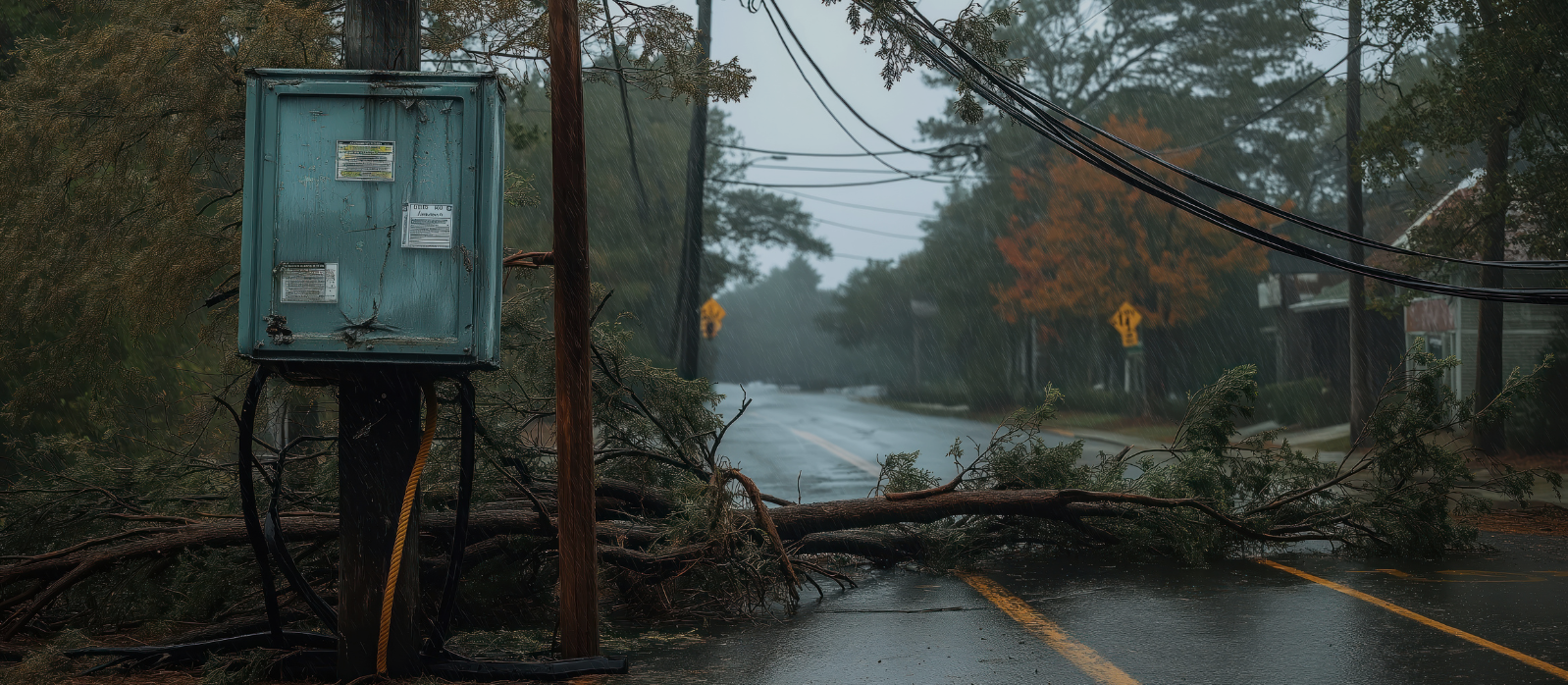
A tree on your roof at 2 AM is one of the worst calls a homeowner in Massachusetts or New Hampshire can get. The wind is still howling, the power’s out, and you have no idea what to do first.
Here’s what most people don’t realize:
What you do in the first 24 hours determines whether your insurance pays out, whether your family stays safe, and how much the repairs ultimately cost.
At AA Tree Service, we respond to storm emergencies across MA and NH around the clock. We’ve seen homeowners do everything right — and we’ve seen costly mistakes that turned a covered insurance claim into a denial.
This is the step-by-step playbook for what to do when a tree comes down on your property.
Step 1: Make Sure Everyone Is Safe
Before anything else, get every person and pet out of the affected area. A tree that’s already fallen is still moving — branches settle, shifted weight redistributes, and roof structures can collapse hours after the initial impact.
- If anyone is injured, call 911 immediately
- If the tree hit a bedroom or living area, evacuate the house
- Stay clear of the tree itself — branches under tension can snap unexpectedly
Step 2: Check for Power Lines
This is the step most homeowners skip — and it’s the most dangerous one.
If the fallen tree is touching, near, or could be touching power lines:
- Stay at least 35 feet away
- Call your utility company immediately (Eversource, National Grid, Unitil)
- Don’t let any tree service touch the tree until the lines are confirmed de-energized
- Assume every downed line is live, even if there are no sparks
Step 3: Document Everything Before Cleanup
This is where insurance claims are won or lost. Before any tree is moved or any tarp goes up, document the scene thoroughly:
- Wide shots showing the full tree and the damaged structure
- Close-ups of every point of damage
- Video walkthrough with narration (date, time, what happened)
- Photos of the tree’s root ball, broken trunk, or split point
- Any debris on furniture, electronics, or vehicles
Save weather data for the storm — your insurance adjuster will want to confirm the wind event. Our guide to tree service insurance claims walks through exactly what adjusters look for.
Step 4: Call Your Insurance Company
File the claim before you start cleanup. Most homeowner policies in MA and NH cover:
- Tree removal when it damaged a covered structure
- Repair of the structure itself
- Emergency tarp work and temporary boarding
- Limited tree removal even if it didn’t hit anything (usually capped at $500–$1,000)
Ask your adjuster specifically: “Do I need approval before hiring a tree service?” Some policies require pre-authorization for anything over a certain dollar amount.
Step 5: Call a Licensed, Insured Tree Service
This is not the time to call your neighbor’s friend with a chainsaw. Storm-damaged trees are under unpredictable tension, often partially supported by structures, and frequently tangled with power lines.
A reputable emergency tree service should:
- Answer the phone 24/7
- Arrive within 2–4 hours for active emergencies
- Provide proof of liability insurance and workers’ comp
- Use cranes and rigging — not just ladders and chainsaws
- Coordinate directly with your insurance adjuster
Our emergency tree services guide covers what to look for in a 24-hour crew, and our 24-hour tree service guide explains how response times work after major storms.
What Storm Damage Cleanup Actually Looks Like
After the immediate hazard is removed, the full cleanup typically involves:
- Sectional removal of the tree (cutting from the top down)
- Tarping and emergency weatherproofing of any roof opening
- Branch and debris removal from the entire property
- Stump grinding (separate visit, after insurance settles)
- Assessment of remaining trees for storm-related damage
Our storm damaged tree removal services handle all of this in coordinated visits, and our storm cleanup services cover the full property restoration.
24-Hour Storm Response Across MA & NH
When a tree comes down at 3 AM, you don’t have time to vet six contractors. AA Tree Service answers calls around the clock and dispatches certified, fully insured crews with cranes, bucket trucks, and rigging — the actual equipment storm work requires.
We’ve responded to every major nor’easter and microburst across MA and NH for years. Our crews know how to work with utility companies, coordinate with insurance adjusters, and get your property safe and restored.
Tree Down Right Now?
Don’t wait until morning. Call AA Tree Service for 24-hour emergency response — we’ll assess the situation, secure the area, and start removal as soon as it’s safe.
We proudly serve Boston, Concord, Nashua, Manchester, and surrounding areas throughout MA and NH.
FAQs
- What should I do first if a tree falls on my house?
Get everyone out of the house immediately and call 911 if anyone is hurt or if there’s structural damage near sleeping areas. Then call your utility company if power lines are involved, and finally call a licensed tree service for emergency removal. - Will my homeowners insurance cover storm tree damage?
In most cases, yes — if the tree damaged a covered structure (house, garage, fence) and the storm was the cause. Insurance typically does not cover removal of a fallen tree that didn’t hit anything. Document everything before cleanup begins. - Should I move the tree before the insurance adjuster sees it?
No — unless it’s an active safety hazard. Take extensive photos and video first. Adjusters need to see the original damage to process your claim correctly. - How fast can a tree service respond after a storm?
A reputable 24-hour service should arrive within 2–4 hours for true emergencies. After major regional storms, response times stretch — which is why having a relationship with a local crew matters. - Who’s responsible if my neighbor’s tree falls on my property?
In most MA and NH cases, your insurance handles damage to your property regardless of which side the tree came from. Your neighbor is only liable if they were warned the tree was dangerous and ignored it.