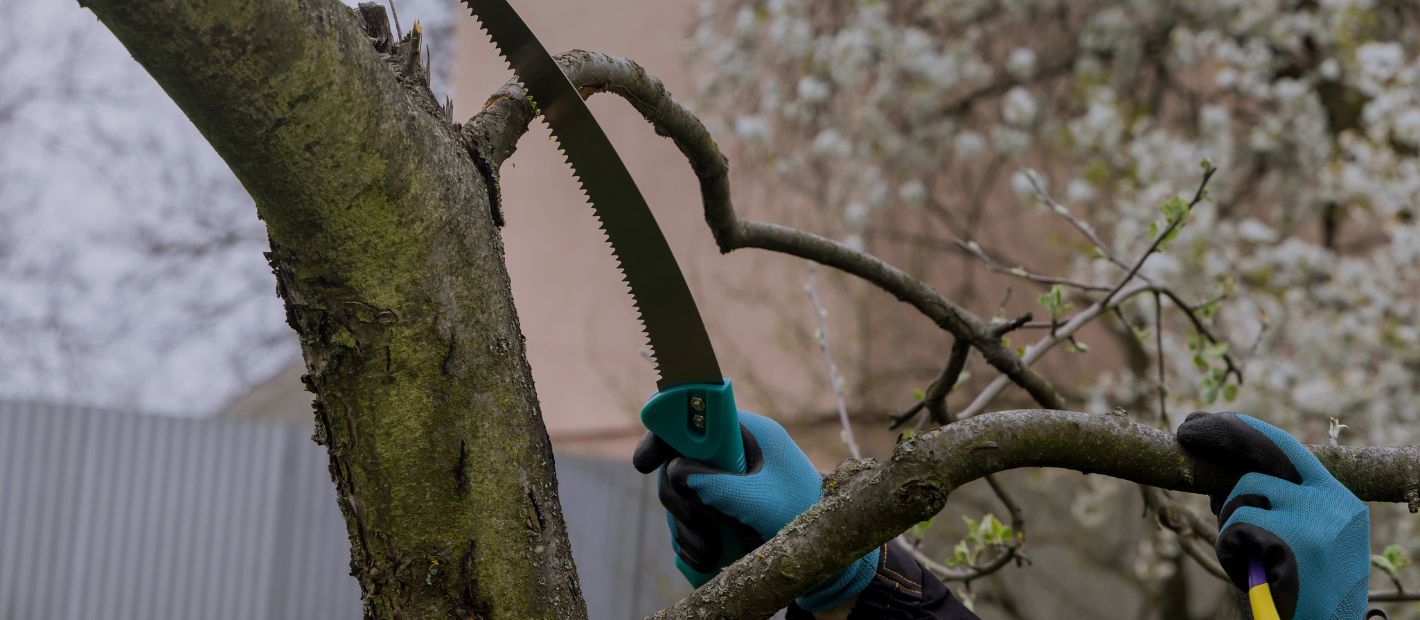
The right time to prune your dogwood — and why timing matters more than technique
If you own a dogwood in Massachusetts or New Hampshire, you already know it’s one of the most beautiful trees you can plant. Pink blossoms in spring, red berries in summer, crimson foliage in fall — dogwoods give back four seasons a year.
But here’s what most homeowners don’t realize:
Dogwoods are one of the most timing-sensitive trees in the New England landscape. Prune one in the wrong month, and you can introduce disease, trigger heavy sap bleeding, attract dogwood borers, or kill the tree outright. Prune one in the right month, and it’ll thrive for decades.
At AA Tree Service, our certified arborists prune dogwoods across MA and NH all winter long — and there’s a reason for that. Here’s what we tell every homeowner who asks when to prune.
1. The Best Time to Prune Dogwoods in MA & NH
The short answer: late fall through winter, while the tree is fully dormant. For Massachusetts and New Hampshire, that means roughly mid-November through late February — before the sap starts running in March.
Why this window works:
- The tree isn’t actively growing, so it’s not under stress
- No sap bleeding from cuts
- No active insect pressure — particularly dogwood borers
- Fungal pathogens are dormant
- The tree’s structure is fully visible without leaves
- Cuts seal cleanly before spring growth begins
The best window of all is January through mid-February, when the tree is deepest into dormancy and there’s no risk of warm-weather pathogens.
2. Why Spring Pruning Is a Bad Idea
Spring is when most homeowners notice their dogwood and think, “I should clean that up before it blooms.” It’s also when professionals tell them: don’t.
Pruning a dogwood in spring causes:
- Heavy sap bleeding. Once the tree wakes up, cuts ooze sap for weeks. It looks alarming and it weakens the tree.
- Loss of bloom. Spring pruning removes the flower buds the tree already set the previous summer. You won’t get blossoms that year.
- Stress at the worst time. The tree is using all its stored energy to push new growth — pruning forces it to divert that energy to wound recovery.
If you missed the winter window, the right answer is to wait until next winter, not to prune in spring “while you’re thinking about it.”
3. Summer Pruning Is Even Worse
If spring is bad, summer is dangerous. Summer is when dogwood borers — the tree’s worst insect enemy in New England — are actively flying and laying eggs.
Fresh pruning cuts in summer release volatile compounds that attract borers directly to the wound. The eggs hatch into larvae that tunnel into the tree’s vascular system, often girdling it from the inside.
Beyond borers, summer pruning also:
- Exposes the tree to anthracnose fungus, which thrives in warm humid weather
- Causes sunscald on previously shaded branches
- Removes leaves the tree needs for photosynthesis during the growing season
The only summer pruning we recommend on dogwoods is the immediate removal of broken or hazardous limbs after a storm — and even then, the cleaner the cut, the better.
4. Tree-Form vs Shrub-Form Dogwoods — Different Rules
“Dogwood” covers a wide family of plants, and not all of them get pruned the same way. The two main categories you’ll find in New England:
Tree-form dogwoods (Cornus florida, Cornus kousa):
- Light shaping and deadwood removal only
- Never remove more than 25% of the canopy in a single season
- Focus on removing crossing branches, water sprouts, and broken limbs
- Late winter is the ideal window
Shrub-form dogwoods (Cornus sericea/red twig, Cornus alba):
- Benefit from harder rejuvenation pruning every few years
- Remove up to one-third of older stems at ground level to encourage colorful new growth
- Best done in late winter, before new growth
If you’re not sure which type you have, the easiest test: tree-form dogwoods have a single main trunk, shrub-form dogwoods have many stems growing from the ground.
5. How Much to Prune (and How Much Is Too Much)
The single most common mistake homeowners make with dogwoods is over-pruning. Dogwoods are slow growers and slow healers — they don’t bounce back from heavy pruning the way oaks and maples do.
The rules:
- Never remove more than 25% of live canopy in one year (closer to 15% for older trees)
- Cut back to a lateral branch — never leave stubs
- Prioritize the “3 D’s”: dead, damaged, diseased wood
- Remove crossing or rubbing branches that could cause wounds
- Open up the canopy slightly to improve air flow (helps prevent anthracnose)
If your dogwood needs significant work, spread it across two or three winters rather than doing it all at once. For more detail on pruning ornamental trees generally, see our ornamental tree pruning guide.
6. Signs Your Dogwood Needs Professional Pruning
Some dogwood pruning you can handle yourself with sharp bypass pruners. Some absolutely requires a professional. Call an arborist if you see:
- Cracks or splits in major branches
- Significant dieback in the upper canopy
- Suspected anthracnose (brown leaf spots, twig dieback)
- Bore holes, sawdust, or sap weeping from the trunk (dogwood borer)
- A tree over 15 feet tall that hasn’t been pruned in years
- Any pruning that would require climbing or working over your roof
Our professional tree pruning services cover dogwoods and every other ornamental tree common in New England.
What to Avoid No Matter What
A few things you should never do to a dogwood, in any season:
- Top it or “round it over”
- Remove more than 25% of the canopy at once
- Paint or seal the cuts (modern arboriculture has shown sealing actually slows healing)
- Prune during active disease symptoms — you’ll spread it through your tools
- Use the same pruners on a diseased tree without sterilizing between cuts
A topped dogwood almost never recovers. If you’re tempted to drastically reduce yours, read our piece on why topping kills trees first.
Dogwood Care Across MA & NH
Dogwoods reward patience. A well-pruned dogwood — pruned at the right time of year, in moderation, with attention to species and shape — will bloom heavier, fight off disease better, and outlive most other ornamentals on your property.
AA Tree Service prunes dogwoods all winter long across Massachusetts and New Hampshire. Whether your tree needs a light shaping or a multi-year recovery plan, we work with the timing and the species — never against them.
Got a Dogwood That Needs Pruning?
The window is short and the stakes are real. Schedule a free dogwood assessment today — we’ll look at the tree, check for disease or pest pressure, and recommend a pruning plan that fits the species and the season.
We proudly serve Boston, Concord, Nashua, Manchester, and surrounding areas throughout MA and NH.
FAQs
- When is the best time to prune a dogwood tree in MA or NH?
Late November through late February, while the tree is fully dormant. January through mid-February is the deepest dormancy and the safest pruning window. - Can I prune my dogwood in spring or summer?
No — spring pruning causes heavy sap bleeding and removes flower buds, while summer pruning attracts dogwood borers and exposes the tree to anthracnose fungus. Wait until the next winter. - How much of a dogwood can I safely prune at once?
No more than 25% of live canopy in a single season — closer to 15% for older trees. Dogwoods are slow to heal and over-pruning leads to long-term decline. - What’s the difference between pruning a tree-form and shrub-form dogwood?
Tree-form dogwoods get light shaping and deadwood removal only. Shrub-form dogwoods (like red twig) benefit from harder rejuvenation pruning — removing about one-third of older stems at ground level every few years. - Should I seal the cuts on my dogwood after pruning?
No. Wound paints and sealers actually slow the tree’s natural healing process. Make clean cuts back to a lateral branch and let the tree compartmentalize the wound on its own.