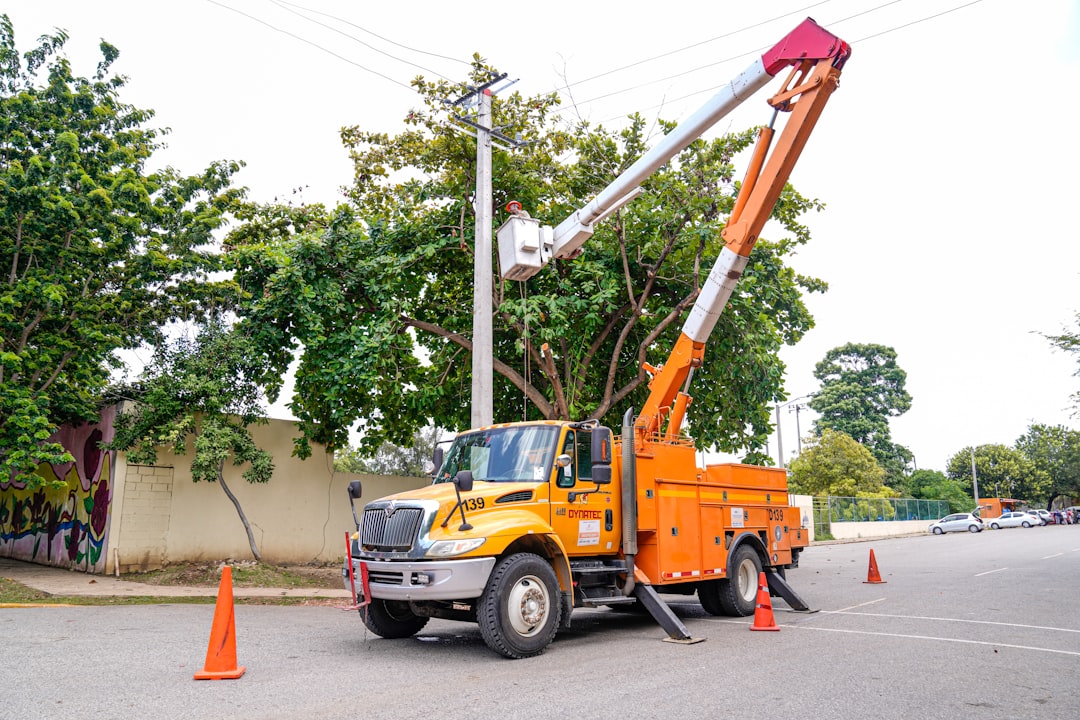
Why Professional Branch Removal Services Are Essential for Your Property
A branch removal service is a critical component of responsible homeownership, helping you safely eliminate dead, diseased, or hazardous tree limbs to protect your property, family, and the long-term health of your valuable trees. While a tree is a beautiful asset, its branches can become significant liabilities without proper care. Professional arborists employ specialized equipment, advanced techniques, and a deep understanding of tree biology to remove branches that pose safety risks, compromise a tree’s structural integrity, or detract from its health and beauty.
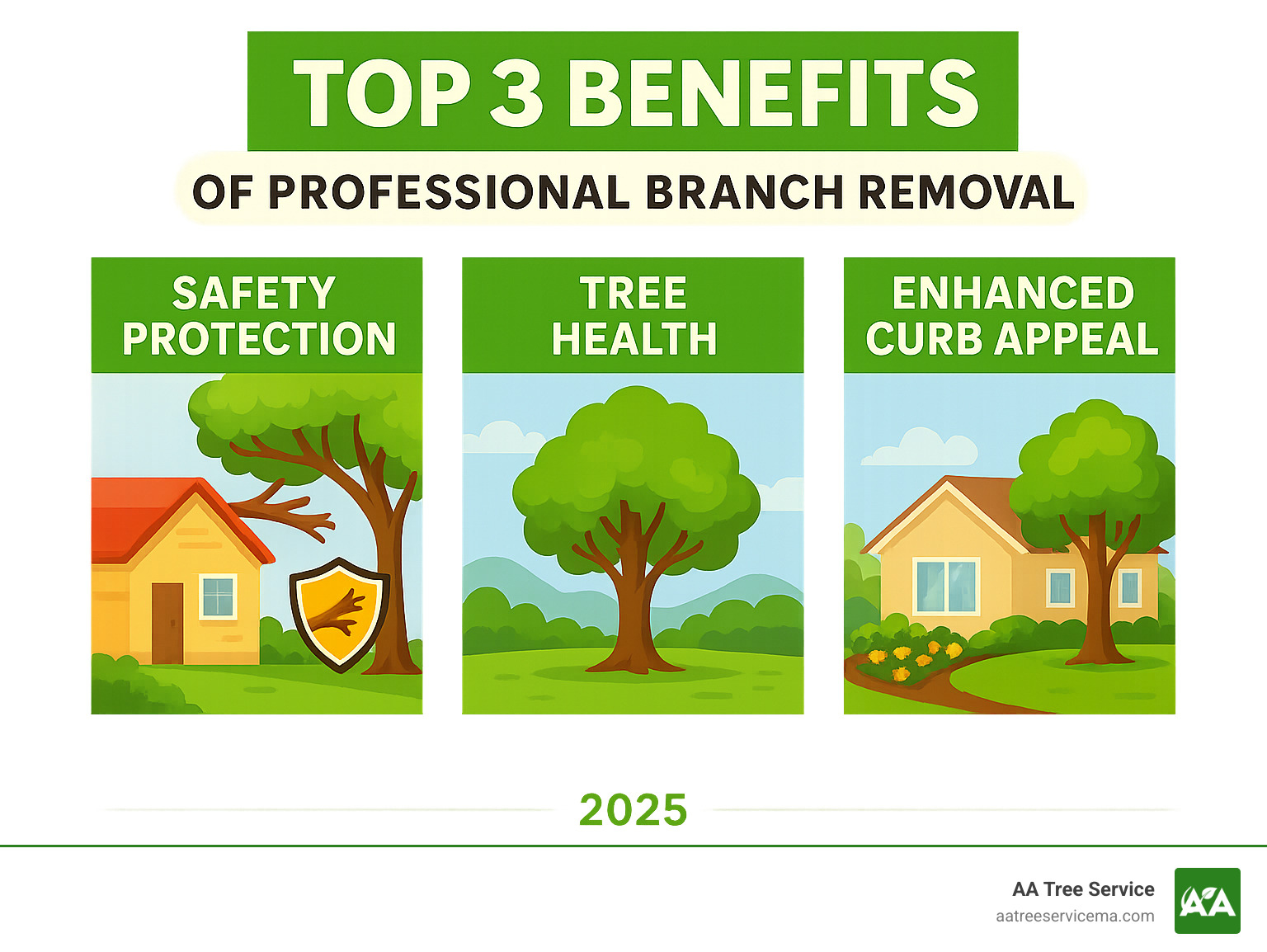
Top reasons homeowners in New England need a professional branch removal service:
- Safety Concerns: This is the most urgent reason. Dead or damaged branches are unpredictable. They can fall without warning during a calm day or be sent flying in a storm, posing a direct threat to anyone below, including children playing in the yard or guests visiting your home. They can crash onto roofs, cars, fences, and sheds, causing thousands of dollars in damage.
- Tree Health: A single diseased or pest-infested limb can be an entry point for decay that spreads to the entire tree. Removing these compromised limbs is like performing surgery; it stops the infection and allows the tree to compartmentalize the wound and heal, preserving the health and vitality of the healthy parts.
- Storm Damage Prevention and Mitigation: New England’s nor’easters, ice storms, and summer thunderstorms bring high winds and heavy precipitation. These weather events can easily split or crack branches, creating immediate hazards. Proactively removing weak or poorly attached branches before a storm is a crucial preventative measure. After a storm, a professional service is essential for safely handling limbs that are broken but still hanging precariously.
- Clearance Issues: Branches that grow too close to your home can scrape against the roof, siding, and windows, causing physical damage and creating pathways for pests like ants and squirrels to enter your house. They can also obstruct walkways, driveways, and views, or interfere with power lines, which is a severe electrical hazard that only qualified professionals should address.
- Aesthetics and Property Value: Proper pruning and branch removal significantly improve a tree’s shape and structure, enhancing the overall appearance of your landscape. Well-maintained, healthy trees can increase your property value, while neglected, hazardous trees can be a major deterrent to potential buyers.
Whether you’re dealing with the aftermath of a harsh winter or performing routine maintenance on your landscape, professional branch removal is a non-negotiable aspect of protecting your property and trees. The risks associated with DIY branch removal are immense. Trees possess complex biomechanics, and a falling branch can carry enormous, unpredictable force. Without proper training, safety gear, and rigging equipment, homeowners face the risk of severe personal injury and causing extensive property damage that far exceeds the cost of hiring a professional service.
Branch removal service word guide:
Telltale Signs: When Your Tree Needs Branch Removal
Knowing when a tree requires professional attention is a crucial skill for any homeowner, as it can prevent catastrophic failures and costly damage. Learning to spot the warning signs of a compromised branch is key to proactive tree care, especially for residents of Massachusetts and New Hampshire, who are all too familiar with our unpredictable New England weather.
Look for these common indicators that it’s time to call for a branch removal service:
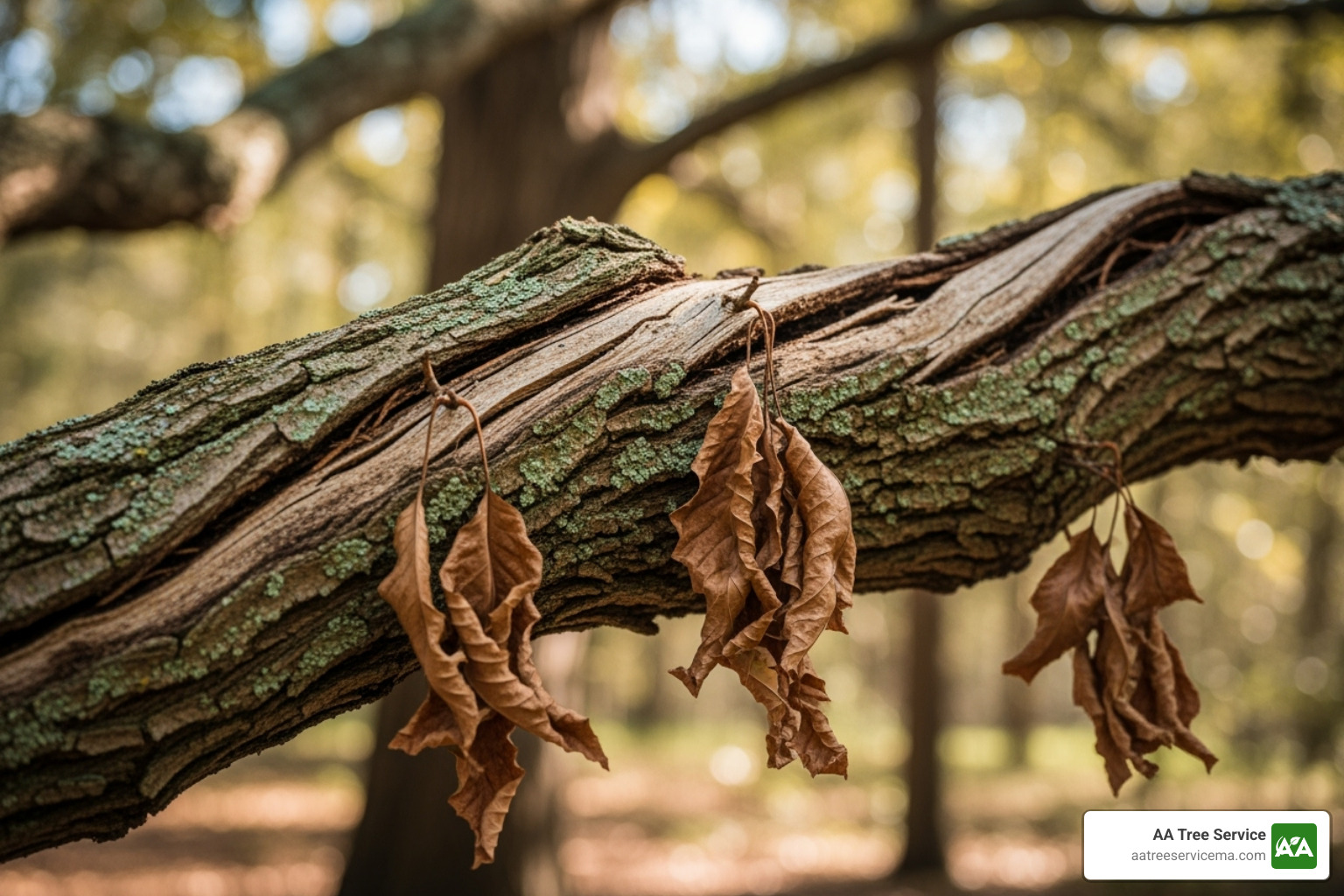
- Dead or Dying Branches (Deadwood): These are brittle, often lack leaves during the growing season when the rest of the tree is full, and may have peeling or flaking bark. They are ticking time bombs, ready to fall at any moment.
- Diseased Limbs: Look for signs of fungal growth like mushrooms or conks, cankers (sunken areas of dead bark), or unusual discoloration. These indicate an underlying health issue that can spread throughout the tree if the affected limb isn’t removed.
- Pest and Insect Infestations: A high concentration of insects, such as carpenter ants, termites, or wood-boring beetles, often signals that the wood is already dead or dying. Look for small holes in the bark and sawdust-like material (frass) at the base of the branch.
- Cracked or Split Branches: Deep cracks, especially those that extend toward the main trunk, are severe structural weaknesses. These branches are highly susceptible to failure during storms or under the weight of ice and snow.
- Overhanging or Interfering Branches: Limbs hanging directly over your roof, driveway, deck, or power lines pose a significant risk. Branches touching power lines are an extreme hazard and require immediate professional intervention from a utility-qualified arborist.
- Storm-Damaged Branches: After every significant storm, inspect your trees. Look for partially detached limbs, new cracks, or branches that are hanging lower than before. These are unstable and extremely dangerous.
- Poor Tree Structure: Weak, V-shaped branch unions (where branches join the trunk at a sharp angle) are prone to splitting. An unbalanced, lopsided canopy or branches that cross and rub together also create weak points that can fail under stress.
- Obstructed Views or Pathways: While not always an immediate structural danger, branches that block walkways, driveways, or important sightlines can be a nuisance and a safety hazard, and they detract from your property’s usability and curb appeal.
If you observe any of these signs, it’s time for a professional Tree Hazard Assessment to get an expert opinion and a clear plan for maintaining a safe and healthy property.
Recognizing Dead or Dying Branches
Spotting a dead branch early can prevent bigger problems. The most obvious sign is an absence of leaves or buds during the spring and summer when the rest of the tree is green and vibrant. The bark may be brittle, flaking off easily to reveal dry, brown wood underneath. A simple scratch test can be revealing: scrape a tiny piece of bark with your fingernail.
A healthy branch will be green and moist underneath, while a dead one will be brown and dry. The presence of fungus growth, such as shelf fungi or mushrooms, is a definitive sign of internal decay. Furthermore, increased pest activity is a major red flag, as insects like carpenter ants are drawn to the soft, decaying wood, which can further weaken the branch.
Identifying Structurally Unsound Limbs
Structurally unsound limbs can fail without any warning, making them particularly dangerous. Be wary of deep cracks or splits, especially where a large branch connects to the trunk. Look closely at the branch unions; V-shaped crotches are inherently weaker than U-shaped ones because bark can become trapped within the union (known as included bark), preventing a strong connection from forming.
Branches that have grown disproportionately long and heavy, creating a heavy end-tipped appearance, exert excessive leverage on their attachment point. Similarly, a branch that is leaning at an unusual or severe angle is under constant stress and could be hazardous. Sometimes these weak limbs can be reinforced with professional cabling and bracing, but in many cases, removal by a qualified Tree Limb Removal Service is the only way to eliminate the risk.
The Critical Importance of a Professional Branch Removal Service
While the idea of saving money with a DIY approach can be tempting, attempting to cut a hanging or damaged branch yourself is deceptively dangerous and often leads to much greater costs. The physics of tree work are complex; branches are under immense tension and can twist, swing, or kick back with tremendous, unpredictable force when cut. Attempting this work without professional training and equipment can easily lead to thousands of dollars in property damage or, far worse, a trip to the emergency room.
Why You Need a Professional Branch Removal Service
The difference between an amateur with a ladder and a chainsaw and a professional arborist is vast. Here’s what an expert branch removal service provides that a DIY approach cannot:
- Advanced Safety Protocols: Professionals are trained to read the tree and the environment. They assess wind direction, branch weight, potential fall paths, and establish clear escape routes before a single cut is made. Safety is the paramount concern from start to finish.
- Certified Arborists: Our certified arborists possess a deep understanding of tree biology and physics. They know precisely where and how to make cuts that promote healing, prevent disease, and don’t compromise the tree’s overall structure.
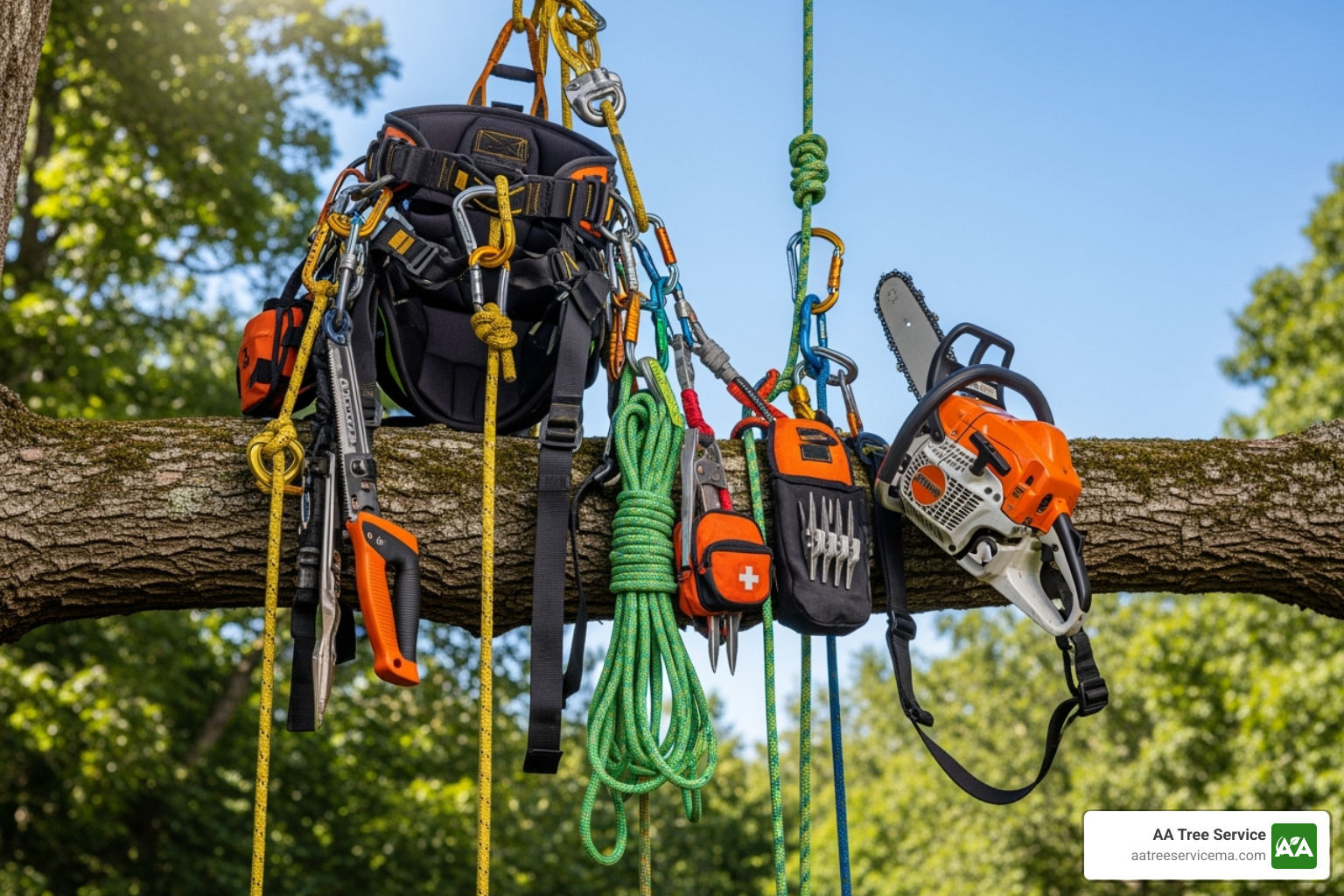
- Specialized Equipment: We use a full suite of professional-grade tools, including specialized rigging ropes, pulleys, and lowering devices to control the descent of heavy branches. For high or inaccessible limbs, we use aerial lifts, bucket trucks, or cranes, ensuring branches are brought down safely without damaging your home or landscape.
- Efficiency and Expertise: An experienced and coordinated crew can safely and efficiently complete a complex branch removal in a few hours—a job that might take a homeowner an entire dangerous and frustrating weekend to attempt.
- Comprehensive Risk Assessment: A trained arborist can spot potential problems that are invisible to an untrained eye, such as internal decay, hidden cracks, root problems, or poor weight distribution that could lead to future failures.
- Full Insurance and Liability Coverage: This is a critical, non-negotiable factor. A reputable Certified Arborist Tree Service Near Me carries both liability insurance (to cover any damage to your property) and worker’s compensation insurance (to cover their employees if an injury occurs). Hiring an uninsured company puts you at enormous financial risk.
The Process of a Professional Branch Removal Service
Our systematic and transparent process ensures safe, effective results and complete customer satisfaction every time.
- Initial Consultation & Free Estimate: We begin by walking your property with you, listening to your concerns, and inspecting the tree in question. This allows us to provide an accurate, detailed, on-site quote with no hidden fees.
- Site Assessment & Safety Planning: Before work begins, our crew chief conducts a thorough assessment of the tree, its structural integrity, and all surrounding obstacles like power lines, buildings, fences, and delicate landscaping. We then formulate a custom safety and work plan, identifying the drop zone and securing the area.
- Rigging and Roping: For most jobs, especially those involving large branches over structures, we use advanced rigging techniques. Ropes and pulleys are strategically placed to guide heavy sections of the branch safely to the ground, maintaining complete control at all times and preventing damage to your lawn and property.
- Precision Cutting: Our arborists make strategic, precise cuts using proven techniques that protect the tree’s long-term health while systematically removing the problematic limbs. We work from the tip of the branch toward the trunk, removing it in manageable sections.
- Thorough Debris Cleanup: Once the branch is safely on the ground, our job isn’t done. We chip smaller branches, haul away larger logs, and carefully clean the area of all leaves and twigs. Our comprehensive Tree Debris Removal Service ensures your property is left spotless.
Key Branch Removal Techniques and What They Achieve
Professional arborists use a range of specific branch removal service techniques, each custom to a particular goal. Understanding these methods helps you, the homeowner, make informed decisions about the care of your trees. Every cut serves a distinct purpose, whether it’s improving tree health, bolstering structural integrity, enhancing aesthetics, or ensuring safety clearance around your home and property.
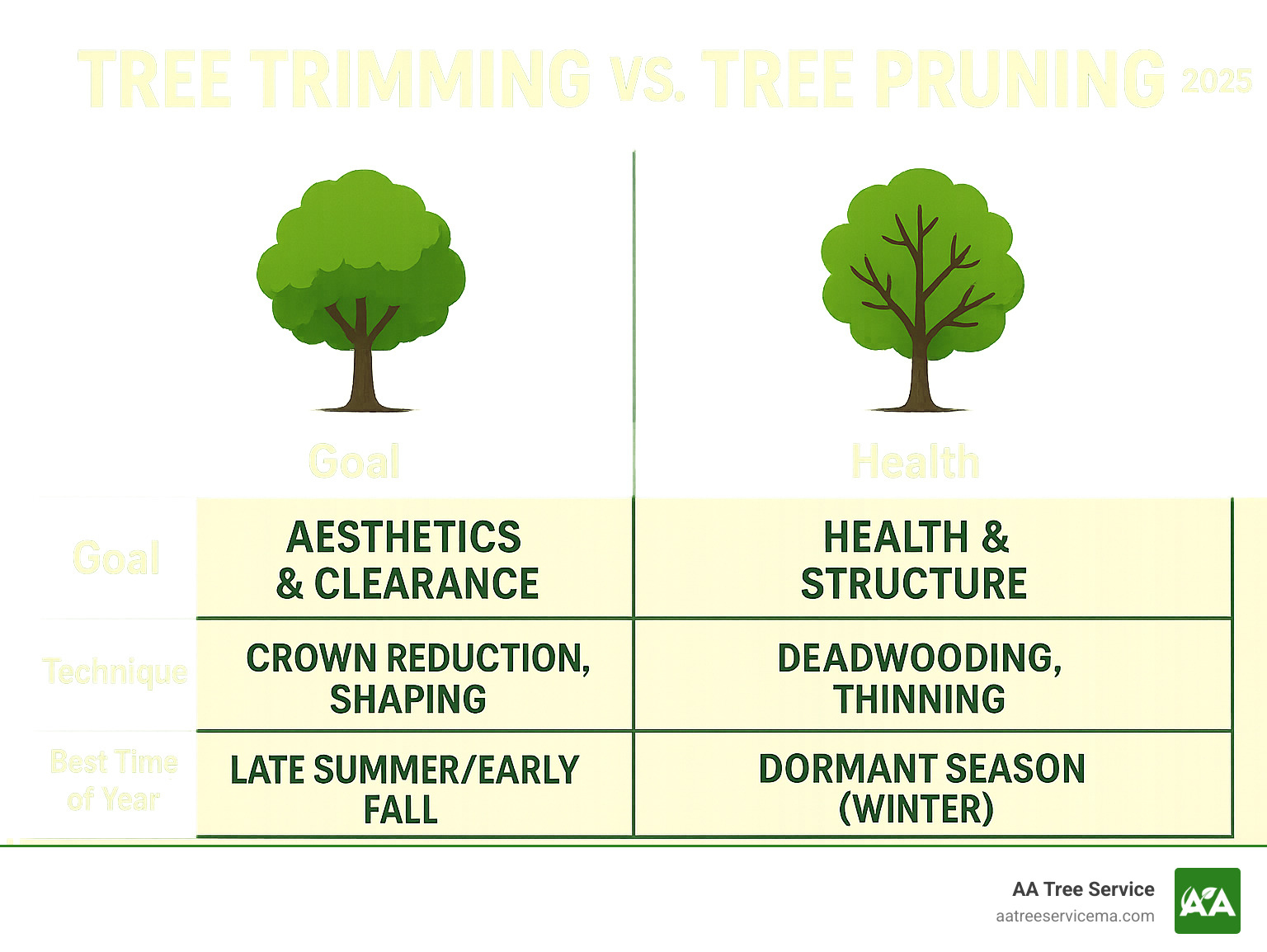
Tree Pruning for Health and Structure
Think of pruning as preventative healthcare for your trees. It involves the selective and careful removal of specific limbs to improve the tree’s overall vitality, safety, and long-term structure.
- Removing Dead or Diseased Wood (Deadwooding): This is the most critical pruning task. It eliminates falling hazards and removes entry points for pests and decay, preventing their spread to healthy parts of the tree.
- Correcting Crossing or Rubbing Branches: When two branches grow into each other, the constant rubbing creates wounds in the bark, making the tree vulnerable to disease. A professional arborist will identify which branch to remove to resolve the conflict and allow for healthy growth.
- Improving Air Circulation (Crown Thinning): Selectively removing some interior branches thins the canopy, allowing for better air circulation and sunlight penetration. This reduces the risk of fungal diseases and also lessens the “sail effect,” making the tree more resilient to high winds.
- Encouraging Strong Growth: By removing weak, poorly attached, or competing branches, the tree can redirect its energy and resources toward developing a stronger, more stable, and resilient structure.
This type of structural pruning is ideally performed during the dormant season (late fall to early winter) when the tree’s branching structure is clearly visible without leaves. Our Tree Pruning Services are always focused on the long-term health and safety of your trees.
Tree Trimming for Aesthetics and Clearance
While pruning is primarily for health, trimming is focused on making your trees coexist beautifully and functionally with your home and landscape.
- Shaping for Appearance (Crown Shaping): We can restore a natural, balanced, and attractive shape to trees that have become overgrown, lopsided, or misshapen.
- Clearing Limbs from Structures (Crown Raising/Reduction): Removing branches that touch or overhang your roof prevents damage to shingles and gutters, eliminates pest highways, and improves sunlight. We also raise the canopy to provide clearance for walkways and driveways.
- Removing Obstructions: We clear branches that block desirable views, walkways, and driveways, eliminating daily annoyances and potential safety hazards.
- Improving Sunlight Exposure: Strategic trimming can allow more sunlight to reach your lawn, gardens, and even solar panels below, improving their health and performance.
The Dangers of Tree Topping
A common mistake made by untrained individuals is “topping,” which involves indiscriminately cutting the top of a tree’s main stems. This is an extremely harmful practice. Topping creates large, open wounds that the tree cannot properly heal, leading to decay and disease. It also encourages the growth of weak, poorly attached sprouts that are far more likely to break off in a storm than the original branches. A professional branch removal service will use proper crown reduction techniques to reduce a tree’s size while maintaining its structural integrity and health, never resorting to topping.
Handling Tree Emergencies in Massachusetts and New Hampshire
New England weather is notoriously unpredictable. From heavy, wet snow and ice storms in the winter to powerful summer thunderstorms and microbursts, our climate can turn even seemingly healthy trees into immediate and severe dangers. When you wake up to find a massive branch has crashed onto your car, or a tree is suddenly leaning precariously toward your house, you need professional help—fast.
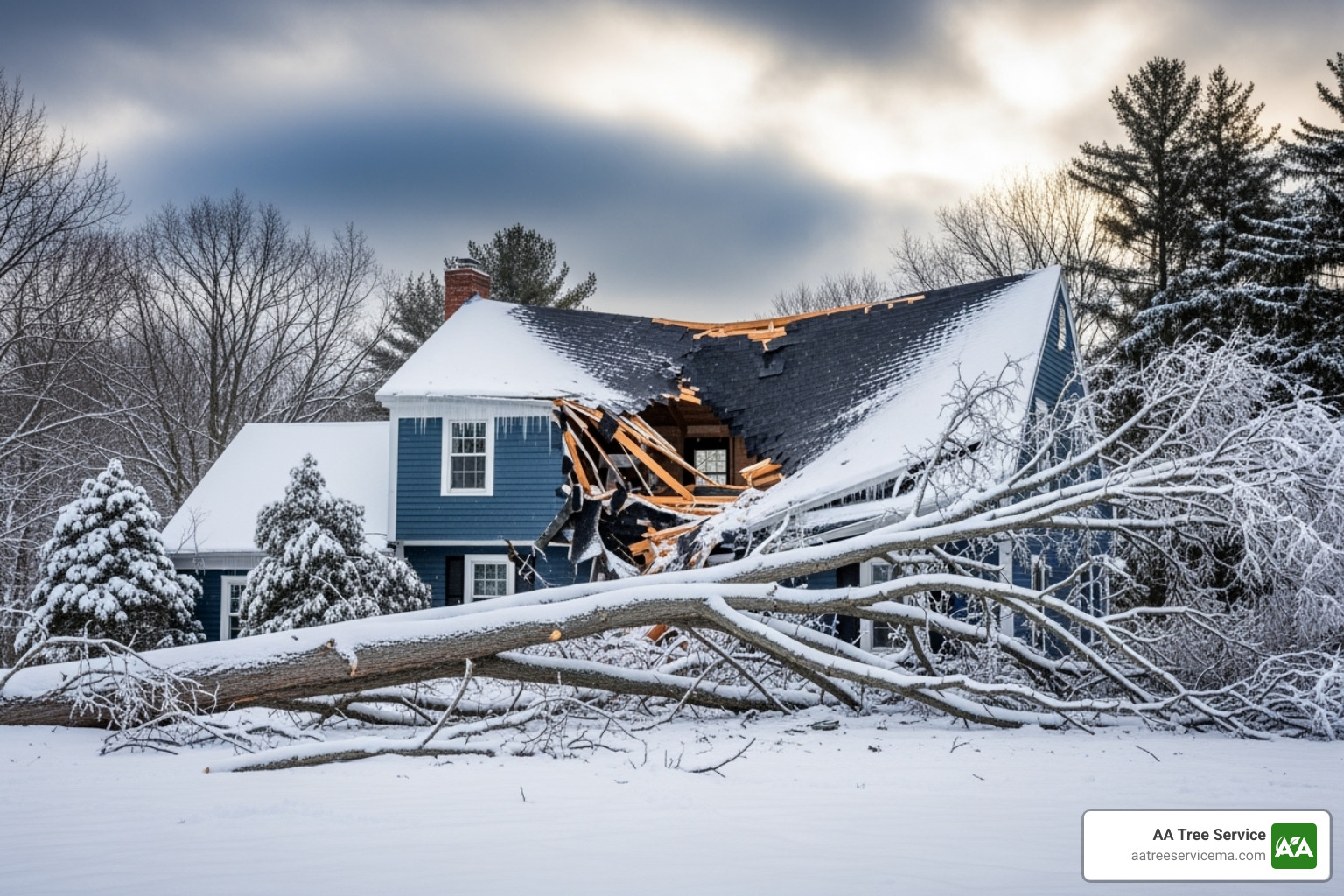
That’s precisely why we offer a 24/7 emergency branch removal service. Tree emergencies don’t adhere to a 9-to-5 schedule, and the longer a damaged tree or branch remains unaddressed, the greater the risk of further damage or injury. Our Emergency Tree Branch Removal team is trained, equipped, and ready to respond quickly. We specialize in working safely in the challenging and often hazardous conditions that follow a storm to secure your property and restore safety.
What Constitutes a Tree Emergency?
A true tree emergency involves an immediate and clear danger to people or property. If you are facing one of the following situations, you should call for professional help right away, day or night.
- A Fallen Branch on Your Property: A large limb that has fallen onto your roof, car, fence, or deck requires immediate professional attention to prevent further structural damage and to be removed safely.
- Split Tree Trunks: A main trunk that has developed a deep, vertical crack is incredibly unstable and can lead to a catastrophic failure of the entire tree with little to no warning.
- An Uprooted or Leaning Tree: A tree with its root ball partially or fully lifted from the ground has lost its structural foundation and is in imminent danger of falling completely. A sudden and severe lean after a storm is a ticking time bomb.
- Blocked Driveways or Roads: Fallen trees or large branches that completely block access for emergency vehicles or prevent you from leaving your property require immediate removal.
- Hanging Branches (“Widow Makers”): These are partially broken limbs that are still caught in the tree. They are extremely dangerous because they are unstable and can fall at any moment from a gust of wind or their own weight.
What to Do While You Wait for Help
Never attempt to handle these situations yourself. The forces involved are enormous and unpredictable. While waiting for our emergency crew, your priority is safety:
- Secure the Area: Keep everyone, including pets, far away from the hazardous tree or branch. Use rope or caution tape to mark off the danger zone if possible.
- Do Not Touch Power Lines: If a branch is touching or near a power line, assume it is live and extremely dangerous. Stay at least 50 feet away and inform the emergency tree service and your utility company immediately.
- Document the Damage: From a safe distance, take photos of the damage for your insurance claim.
Our Storm Cleanup Services are designed to manage these complex emergencies safely and efficiently, from initial assessment to final cleanup.
Frequently Asked Questions about Branch Removal
As a leading branch removal service in Massachusetts and New Hampshire, we understand that homeowners often have questions about the process, costs, and responsibilities involved. Here are detailed answers to some of the most common inquiries we receive.
How much does it cost to remove a tree branch?
The cost of a branch removal service varies widely because no two jobs are the same. It’s similar to asking the cost of a home repair—it depends entirely on the specifics of the situation. Key factors that influence the final price include:
- Branch Size, Weight, and Location: A massive limb extending over your house will cost significantly more to remove than a small, accessible branch in an open yard. Height is a major factor.
- Tree Health and Condition: Working on a brittle, diseased tree is more hazardous and requires more careful planning and execution than working on a healthy tree, which can affect the cost.
- Accessibility and Equipment Needed: If the branch is in a hard-to-reach area, such as a tight backyard, it may require specialized equipment like a crane, bucket truck, or complex rigging, which adds to the cost. Easy access for our trucks and chipper can reduce the price.
- Risk and Complexity: The level of risk is a primary cost driver. A branch entangled in power lines or resting on a roof requires a higher level of skill, precision, and time, which is reflected in the quote.
- Emergency Service: After-hours emergency calls naturally have higher rates due to the immediate dispatch of a crew and the often more dangerous working conditions.
Online averages can range from $200 for a simple job to over $2,000 for large, complex, or emergency removals. However, these are not reliable quotes. We provide a free, no-obligation estimate after a thorough in-person assessment because every job is unique.
Who is responsible for cutting overhanging tree branches from a neighbor’s yard?
This is a frequent source of neighborly disputes. In both Massachusetts and New Hampshire, the “self-help” rule generally applies. This means you have the legal right to trim branches and roots that cross over onto your property line. However, there are crucial caveats: you cannot trespass onto your neighbor’s property to perform the work, and you are legally liable if your trimming damages the overall health of or kills their tree.
Your best first step is always open and friendly communication. A simple conversation can often resolve the issue amicably, sometimes with an agreement to share the cost. If a neighbor’s healthy tree falls on your property during a storm (an “act of God”), it is typically a matter for your own homeowner’s insurance. However, if you can prove the tree was clearly diseased or dangerous and you had previously notified the neighbor of the hazard in writing, they could be held liable for negligence.
What do tree service companies do with the removed branches?
As responsible stewards of the environment, we ensure that nothing goes to waste. After your branch removal service is complete, we offer several options for the debris:
- Wood Chipping: We can process the branches into valuable wood chips right on-site with our industrial chipper. Many clients choose to keep these chips to use as natural mulch for their gardens and landscape beds, which helps retain soil moisture and suppress weeds.
- Hauling Away All Debris: If you prefer, we will haul everything away. Our goal is to leave your property looking better than when we arrived. This includes chipping branches, loading logs, and raking up every last stick and leaf.
- Firewood Processing: For larger, quality pieces of hardwood, we can cut them into manageable, firewood-length logs for you to split and use in your fireplace or wood stove.
Our comprehensive Tree Debris Removal Service ensures your property is left completely clear, safe, and ready for you to enjoy.
Can a cracked branch be saved?
Sometimes, yes. For a valuable branch with a split or crack that doesn’t compromise more than 50% of its diameter, a certified arborist may be able to install support systems. This often involves cabling (installing high-strength steel cables between major limbs to limit movement) and bracing (installing threaded rods through the cracked area to hold it together). This is a highly technical process that can add years to the life of a limb. However, if the crack is too severe or the branch is too decayed, removal is the only safe option.
Protect Your Property with Expert Branch Removal
Professional branch removal service is not just a reactive measure; it’s a proactive investment in the safety, beauty, and value of your property. Proactive care, such as identifying and removing a hazardous limb before it fails, is always smarter, safer, and more affordable than dealing with the costly repairs and stress after a storm has caused significant damage. Choosing expert tree care protects your family and home, preserves the health and beauty of your landscape, and ultimately saves you money and anxiety in the long run.
The long-term benefits of professional maintenance are significant. Your trees will live longer, healthier lives, and your property value can see a tangible increase, as a canopy of healthy, mature trees is a major asset for any home. Conversely, neglected trees with hazardous branches can become a serious liability, potentially lowering your property value and posing a constant risk.
There’s also the invaluable peace of mind that comes from knowing your trees have been assessed and maintained by certified professionals. You won’t have to lie awake worrying during the next New England storm, wondering if that heavy branch over the bedroom is going to hold. Building a relationship with a trusted local tree service means having a partner in your property’s care—a team that understands the specific history and needs of your trees and can provide custom advice and swift service when you need it most.
For homeowners throughout Massachusetts and New Hampshire, AA Tree Service offers comprehensive, reliable solutions backed by over 20 years of hands-on experience. We are intimately familiar with our region’s unique trees and weather challenges, and we are ready to help with everything from routine maintenance to urgent emergencies. Our commitment to safety, professionalism, and customer satisfaction is unwavering. With our 24/7 emergency services and free, same-day quotes, we are always there when you need us.
Don’t wait for a branch to become a crisis. A safe, beautiful, and valuable landscape starts with proactive care. Let our certified arborists help you create an outdoor space you can enjoy with confidence.
Request A Quote today and find why so many of your neighbors in Massachusetts and New Hampshire trust us with their most valuable landscape assets—their trees!