

Finding the Right Tree Cutting Service: What to Look for and Why It Matters
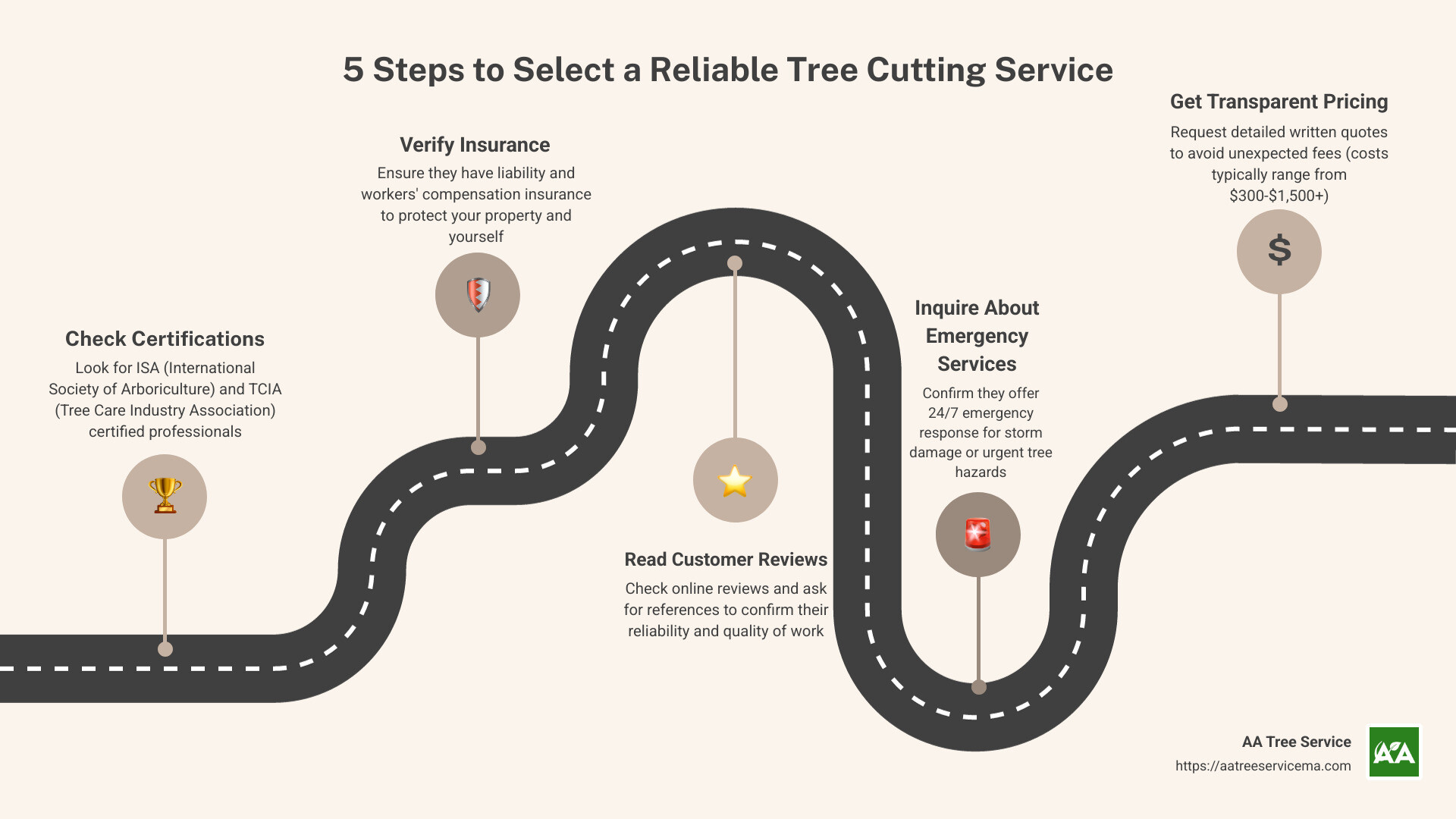
Looking for a reliable, safe, and affordable tree cutting service near you? Here’s a quick answer for homeowners in Massachusetts and Southern New Hampshire:
| What to Check | Why It Matters |
|---|---|
| ISA & TCIA Certifications | Ensures quality, trained professionals |
| Insurance Coverage | Protects you from liability if accidents happen |
| Customer Reviews | Confirms reliable, satisfactory service history |
| Emergency Services | Crucial for urgent tree problems or storm damage |
| Cost Transparency | Prevents unexpected fees; average cost online ranges widely from $300 to over $1,500 |
Trees beautify your yard and improve curb appeal—until they become hazards. Branches leaning dangerously over roofs, trees damaged by storms, or even diseased trees pose risks to your family and property. Hiring an inexperienced company (or DIYing it) might lead to major injuries, property damage, or costly mistakes.
As one customer noted after storms caused damage:
“I used them to remove a tree that was leaning against my house because of a storm. When I realized the tree was resting against my house, they quickly took care of it.” – Bryon S.
So, choosing the right tree cutting service isn’t just a smart choice; it’s crucial for safety, efficiency, and peace of mind.
Simple tree cutting service word guide:
– tree care services
– tree maintenance services
– tree trimming company
Understanding Your Tree Care Needs
Before you reach out to a tree cutting service, it helps to clearly understand the type of tree care you’ll require. Trees are beautiful, but when they start causing trouble—think branches scraping your roof or limbs that look unhealthy—it’s time to step in. Knowing the right service to ask for ensures you get accurate quotes and efficient solutions.
At AA Tree Service, we’ve been proudly serving homeowners across Massachusetts and New Hampshire for more than 20 years. During this time, we’ve noticed many homeowners aren’t always clear on the difference between tree trimming, pruning, and removal. Let’s take a closer look at each one, so you can confidently discuss your needs with the tree care experts you speak to.
Difference Between Tree Trimming, Pruning, and Removal
People often use “trimming,” “pruning,” and “removal” interchangeably, but they each have distinct purposes.
Tree trimming is about shaping the tree and maintaining its appearance. If your trees look uneven, overgrown, or branches have started encroaching on your house, power lines, or walkways, trimming is the service you’ll need. Most mature trees benefit from trimming every 3-5 years, helping them stay attractive, safe, and well-maintained.
As professional arborists often say, “Tree trimming for homeowners is the most common tree maintenance procedure. While forest trees thrive on nature’s pruning alone, landscape trees require human care to maintain structure and beauty.”
Tree pruning goes hand in hand with trimming but focuses on keeping the tree healthy. By selectively removing dead, diseased, or damaged branches, pruning helps your tree live a longer, healthier life, prevents pest infestations, and reduces the chances of branches falling during storms.
According to our ISA-certified arborists, “Tree pruning isn’t just cosmetic. It actively promotes healthy growth, reduces disease risks, and helps avoid dangerous falling branches.”
Tree removal is a last-resort decision. This involves fully cutting down a tree that’s too damaged, diseased, or hazardous to be saved. Tree removal typically involves careful cutting in sections and usually doesn’t include stump removal, which is often a separate service.
How do you know which service is right for you? Here’s a simple breakdown:
- Consider trimming when branches are affecting your home’s curb appeal or touching structures or power lines.
- Turn to pruning if you spot unhealthy, dead, or crossing branches or want to boost fruit production on certain trees.
- Choose removal for trees that are dead, dying, badly damaged by storms, dangerously leaning, or too close to buildings.
Regular maintenance like trimming and pruning can prevent the need for more costly, drastic measures like removal.
To learn even more about pruning and trimming, check out our detailed guide: Tree Pruning and Trimming.
Risks of DIY Tree Cutting
We get it—saving money with a DIY approach can feel tempting. But here’s the catch: tree cutting is a dangerous job that requires professional training. Without experience and the right equipment, DIY attempts often lead to serious risks like injuries and property damage.
Every year, homeowners in Massachusetts and New Hampshire end up in hospitals due to DIY tree cutting accidents—falls from ladders, chain saw mishaps, or injuries from falling branches are unfortunately common. Even smaller, seemingly manageable trees can cause serious harm if something goes wrong.
Then there’s the potential for property damage. Branches can easily fall onto roofs, vehicles, fences, or neighboring properties, leading to expensive repairs that far exceed the cost of hiring a professional.
“Many tree removals are dangerous and complex—and mistakes can be costly.”
This quote from industry experts captures why DIY isn’t advisable for tree cutting. Without specialized equipment like professional-grade chainsaws, bucket trucks, cranes, and rigging systems, you’re taking on major risks.
We’ve often received emergency calls from homeowners who tried tree cutting themselves and ended up in trouble. One homeowner admitted, “I started pruning my tree one Saturday, realized halfway through I was in way over my head, and had to call professionals anyway. The tree ended up looking worse, and I felt pretty foolish.”
So here’s some friendly advice from the AA Tree Service team: leave tree cutting to the experts. We’ve spent over two decades mastering tree biology, safety procedures, specialized cutting techniques, and equipment handling. Let us handle the risky stuff while you sit back and enjoy a safe, beautiful yard.
For a closer look at the latest research on tree removal safety, visit OSHA’s tree care industry safety page.
Why Hire a Professional Tree Cutting Service
When you’re dealing with tree care, the temptation to handle trimming or removal yourself can be strong—after all, who doesn’t love the idea of saving a little money? But the truth is, hiring a professional tree cutting service goes way beyond just convenience. Here’s why bringing in the pros isn’t just smart—it’s essential.
Safety Measures
One of the biggest advantages of a professional service is safety. At AA Tree Service, safety always comes first. Our experienced crews go through rigorous training and follow strict safety protocols recommended by industry leaders and OSHA’s latest tree care safety guidelines.
Each team member wears proper personal protective equipment (PPE), including hard hats, face shields, safety glasses, ear protection, and cut-resistant gloves and chaps. We also use professional climbing harnesses and rigging systems to ensure secure, controlled work at heights.
Before the saw ever makes contact with the tree, our team creates a detailed safety plan. We establish clear drop zones to protect your property and secure the area to keep everyone safe. Communication is clear and continuous among crew members, ensuring each step of the project is executed smoothly and safely.
Professional Equipment
Let’s face it—most homeowners don’t have access to professional-grade equipment needed to safely remove or trim trees. A pro-level tree cutting service like AA Tree Service invests heavily in specialized equipment like bucket trucks, cranes, professional-grade chainsaws, stump grinders, and wood chippers.
Take wood chippers, for instance: professional machines like the Albach Diamant 2000 can produce hundreds of cubic meters of wood chips per hour. You’re probably not going to find something like that sitting in your neighbor’s garage! Beyond efficiency, professional equipment is designed specifically for safety and precision—making sure your trees are cared for properly and your landscape stays damage-free.
Certified Arborists
When you hire a professional tree cutting service, you’re getting the added benefit and expertise of certified arborists. Certified arborists aren’t just “tree guys”—they’re tree specialists. They’ve got extensive training in tree biology, proper pruning techniques, disease management, and hazard assessments.
Certified arborists from AA Tree Service thoroughly assess your trees’ health, identifying issues early and recommending the right solutions before small problems become big headaches. These experts know precisely which branches to prune (and how to prune them), when a tree is safe to trim versus when it needs removal, and how to handle species-specific care to keep your landscape healthy and thriving for years to come.
As one industry expert put it, “When a company hires Certified Arborists (or encourages their team members to get certified), it shows they truly care about having the best people in the field.” At AA Tree Service, we couldn’t agree more.
Liability Concerns
Let’s talk about liability—probably the most overlooked reason to call in the pros. Attempting DIY tree removal or trimming can quickly turn from a weekend project into a financial nightmare if something goes wrong. Dropped branches, damaged roofs, or worse, injury—you’re personally liable for any and all accidents or damage.
Professional tree cutting services remove that stress. At AA Tree Service, we’re fully licensed, bonded, and insured. Our policies include general liability insurance covering property damage, workers’ compensation insurance protecting our employees, and commercial vehicle insurance covering our fleet. This gives you peace of mind knowing you’re fully protected from issues that could otherwise become costly disasters.
Why Hiring a Certified Tree Cutting Service Matters
Certification isn’t just a fancy badge—it’s proof that you’re hiring true tree care professionals committed to excellence, safety, and ongoing education.
At AA Tree Service, our team holds credentials from top industry organizations, including the International Society of Arboriculture (ISA) and the Tree Care Industry Association (TCIA). The ISA certification requires hundreds of hours of specialized tree-care education and passing rigorous exams. TCIA membership keeps us up-to-date on the latest industry standards, techniques, and safety protocols.
For homeowners wondering if certification really matters, consider this expert advice: “It’s a big red flag if a tree cutting service you’re considering doesn’t have proper credentials and insurance coverage.”
Always verify that a prospective tree cutting service has:
- General liability insurance (at least $1 million)
- Workers’ compensation insurance
- Commercial vehicle insurance
A reputable company like AA Tree Service will happily provide proof of insurance—no awkward conversations needed!
Experience is also key. Certifications are great, but hands-on experience handling countless tree situations—from storm emergencies in the middle of the night to routine pruning—is priceless. AA Tree Service has served Massachusetts and New Hampshire communities for over 20 years, building trust and expertise specific to our local tree species and regional conditions.
Finally, certified professionals follow strict safety practices recommended by industry associations and OSHA. Tree removal is one of America’s most dangerous jobs—professional tree cutting services take these risks seriously, implementing comprehensive safety measures to protect crews, homeowners, and property.
Choosing a professional, certified, and insured tree cutting service isn’t just a smart move—it’s essential for safety, peace of mind, and the health and beauty of your property.
Key Factors to Consider When Choosing a Tree Cutting Service
Choosing the right tree cutting service can feel overwhelming—but it doesn’t have to be. By focusing on a few key considerations, you can confidently select a reliable provider that protects your property, ensures safety, and delivers beautiful results.
Verifying Credentials and Insurance
First and foremost, always check a company’s credentials and insurance coverage. Any reputable tree service will proudly show these to you.
Ask specifically for ISA certification, which means they employ certified arborists who have completed extensive training. It’s also a good sign if they’re members of the Tree Care Industry Association (TCIA), an organization committed to high standards in tree care.
Insurance isn’t just nice to have—it’s essential. A reliable company should hold general liability insurance (at least $1 million coverage) to protect your home if accidents happen, and workers’ compensation insurance in case employees get injured on your property. Also, ask about commercial auto insurance for their vehicles. Don’t hesitate to request proof—you deserve peace of mind!
As industry experts often advise homeowners: “Don’t be shy about asking for documentation. Reputable companies are always happy to share proof of their credentials and insurance.”
Company Experience and Reputation
When it comes to tree care, experience really matters. Look for a service that’s been around awhile and knows your area. Trees in Massachusetts and New Hampshire have unique challenges like harsh winters and storms. Local expertise makes a big difference.
For instance, at AA Tree Service, we’ve proudly served communities in MA and NH for over two decades. Our long track record means we’ve encountered—and successfully handled—just about every tree situation imaginable. (Trust us, we’ve seen some doozies!)
Also, consider the company’s specialized experience. If you’ve got hazardous trees near your home or challenging situations like tight spaces, make sure your chosen provider has proven expertise handling similar scenarios.
Customer Reviews
Checking out customer reviews is a simple yet powerful way to gauge a company’s reliability. Look beyond the testimonials on the company’s website—check external sources like Google, Yelp, or the Better Business Bureau.
Pay attention to patterns. One or two negative reviews amidst dozens of glowing ones probably isn’t something to worry about—after all, nobody’s perfect. But frequent complaints about the same issues (like poor communication or messy cleanups) should raise a red flag.
Also, note how the company responds to criticism online. A thoughtful, respectful response can show they’re committed to customer satisfaction.
At AA Tree Service, we’re proud to share feedback like this from our happy customers:
“Tree Service provided some excellent service on this job with the removal of some trees on my property. The crew was precise and professional at all times.”
And another satisfied homeowner adds:
“The three workers you sent were marvelous, and the cleanup was exceptional! Without hesitation, I would recommend your company!”
Questions to Ask a Tree Cutting Service Provider
You’re hiring someone to care for your beautiful trees and protect your home—so don’t hesitate to interview potential services thoroughly. Here are some essential questions you should ask:
- Do they employ certified arborists? Certified arborists have specialized knowledge of tree health, proper pruning techniques, and safe removal practices. By hiring a service like AA Tree Service—which employs certified professionals—you ensure your trees are in capable, qualified hands.
- What safety measures do they use? Safety should be non-negotiable. Ask about the company’s safety practices, like regular training, proper protective equipment, equipment inspections, and job-specific safety plans.
- Do they offer 24/7 emergency services? Unfortunately, trees don’t always fall neatly between the hours of 9-to-5. Storms or emergencies can happen any time, so choosing a company that provides round-the-clock emergency tree services (like AA Tree Service does) offers valuable peace of mind.
- Are permits required? Many towns in Massachusetts and New Hampshire have specific regulations on tree removal, especially for street trees or protected species. A reliable tree cutting service will know the local rules, and they’ll handle permits to save you the hassle.
- What’s their clean-up policy? Tree cutting can quickly create a big mess. Make sure you understand how thoroughly the crew will clear debris, branches, logs, and sawdust. Do they provide stump grinding? Will wood be hauled away or recycled? Choosing a professional service like AA Tree Service ensures your yard looks better—not messier—when the work is done.
- How do they approach difficult or hazardous trees? Challenging scenarios (like trees close to houses or power lines, partially fallen trees, or diseased trees) reveal a company’s true expertise. Ask about their techniques, specialized equipment, and experience handling tricky situations.
By getting clear answers to these questions, you’ll quickly weed out less-experienced providers. A genuine, professional service will happily answer your questions in detail—after all, your comfort and safety should be their number one priority!
In short, taking a little extra time to confirm credentials, experience, customer satisfaction, and asking the right questions will ensure your tree cutting project goes smoothly. And if you’re located in Massachusetts or New Hampshire, AA Tree Service is always here to help you with expert advice, friendly service, and a warm smile to boot!
Understanding Tree Cutting Service Costs
One of the first questions homeowners typically ask when reaching out to AA Tree Service is, “How much will this cost?” While the best way to get an accurate answer is always to request a personalized quote (and we offer free same-day quotes throughout Massachusetts and New Hampshire!), it’s helpful to understand the general factors that shape tree cutting service costs.
Let’s explain the pricing structure together so you’re well-informed before you pick up the phone.
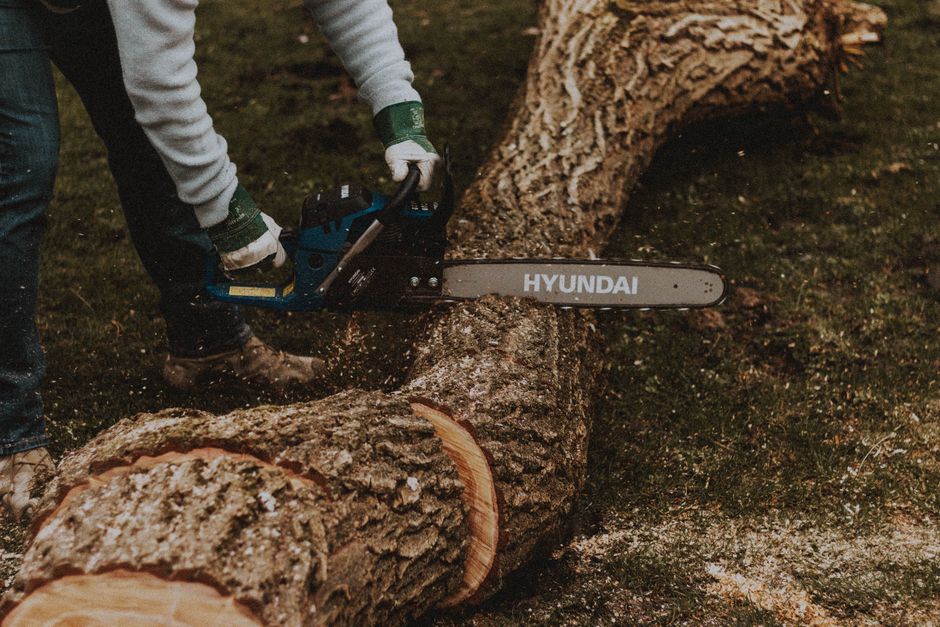
Factors Affecting Tree Removal Pricing
When homeowners research online, they’ll quickly notice a fairly wide range of tree removal costs. According to internet data (not specific to AA Tree Service), the average cost to remove a tree is around $657, but prices can swing dramatically—from as low as $300 to well over $1,500. What explains this huge difference?
The first major factor is tree height. Smaller trees (under 30 feet) typically fall at the lower end, around $300–$500. Medium-sized trees (30–60 feet) average around $600–$1,000. But as your trees grow taller, removing them safely becomes more complicated and labor-intensive. Large trees (60–80 feet) can cost between $1,500 and $3,000, and enormous trees over 80 feet tall can even go as high as $5,000. Simply put, the taller the tree, the higher the risk and cost.
Another consideration is the tree species. Why does this matter? Well, not all trees are created equal—some are easier to cut down and handle than others. Pines, for instance, tend to be straightforward removals, often costing less. Oak trees, however, have dense, heavy wood and complex branch structures, so removing a mature oak (60–80 feet) might set you back somewhere around $700–$1,300. Species with dense wood or tricky branching usually come with higher price tags due to the extra care and specialized equipment needed.
Then there’s the health or condition of the tree, which significantly impacts the complexity of removal. Healthy, sturdy trees might actually require more effort due to their strong, resilient wood. Surprisingly, removing dead or severely diseased trees can be just as expensive (or more so), because their brittle branches pose safety hazards to workers and nearby property. Trees damaged by storms can also be unstable, demanding specialized techniques and greater caution—further pushing prices upward.
Where your tree is located—its accessibility—also plays a big role in how much you’ll pay. If your tree is out in the open, easily accessible by equipment from the driveway or street, the removal process is simpler and more affordable. But if it’s right next to your home, dangerously close to power lines, or tucked away in a backyard with tricky access, the cost goes up. Removing trees in these challenging situations requires more careful rigging techniques and often means more manual labor, increasing both complexity and cost.
Finally, emergency services will understandably raise your costs. If a tree falls on your home during a storm at 2 a.m. (trees don’t always cooperate with your schedule!), you’ll need urgent, specialized help. Emergency tree removals typically involve after-hours work, rushed scheduling, and hazardous conditions that can easily drive costs beyond $5,000, depending on the severity of the situation.
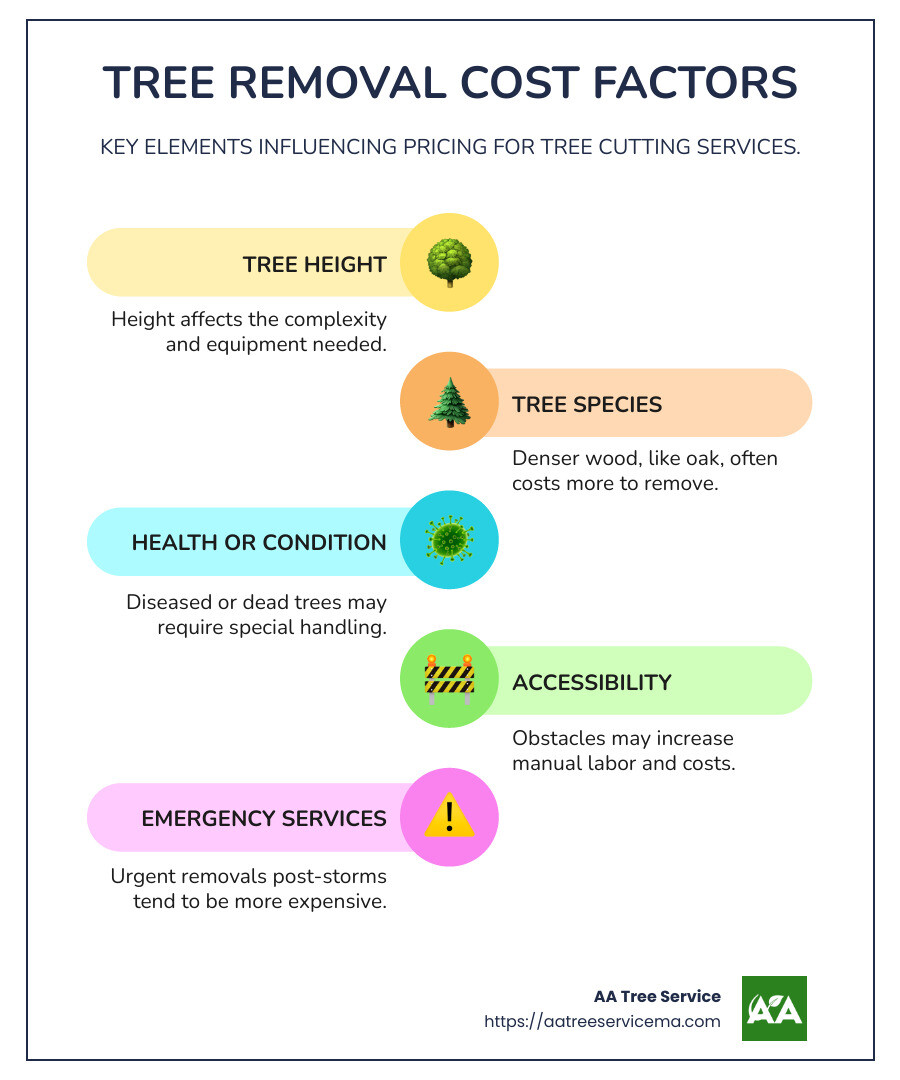
Beyond the major factors above, a few additional details can impact your final quote. Location matters too—removals in rural NH or MA areas may involve travel surcharges of $50–$200, while urban settings with tight spaces can create accessibility challenges.
Some Massachusetts and New Hampshire communities require permits for tree removal, typically costing $60–$150 extra. You’ll also want to ask about stump removal—often a separate service, averaging between $150 and $500 per stump according to online data—and whether debris clean-up and hauling are included.
Seasonal timing can influence pricing as well. Winter and early spring are often ideal times for tree removal (frozen ground protects your yard, dormant trees are easier to handle), which might result in slightly lower costs or other incentives.
If you’re considering removing several trees at once, you’re in luck—companies usually provide a bundle discount since the equipment and crew are already onsite. (We love efficiency as much as you do!)
What to Look for in a Quote
When you receive a quote from a tree cutting service, it’s important to verify that it’s detailed, transparent, and clear. A trustworthy quote should outline exactly what’s included (is stump grinding covered?), how the debris will be handled, the timeline for the work, payment methods and schedule, and confirmation of insurance coverage.
At AA Tree Service, we pride ourselves on transparency. You’ll never see hidden fees or vague language in our quotes—just straightforward information so you know exactly what to expect.
Red Flags in Pricing
As you gather quotes, watch out for a few red flags that could signal trouble:
- Quotes dramatically lower than others. If one provider offers rock-bottom prices significantly below competitors, they might lack proper insurance, equipment, or experience. You truly get what you pay for in tree care.
- Large upfront payments. Reputable companies won’t demand full payment before work begins. Look for businesses that offer payment terms upon completion.
- Vague or verbal-only quotes. Always insist on a detailed, written estimate that clearly explains what you’re paying for and why.
- High-pressure sales tactics. A trustworthy tree cutting service is there to guide you, not push you into hasty decisions.
As one customer wisely noted: “Get multiple quotes and ask why there are price differences rather than just selecting the lowest offer.”
At AA Tree Service, we encourage you to shop smart and ask plenty of questions. We’re always here to provide honest answers, exceptional service, and the peace of mind you deserve when taking care of your trees.
Conclusion
Choosing the right tree cutting service isn’t just about keeping your landscape beautiful—it’s about ensuring the safety of your home and family. Throughout this guide, we’ve covered the key things you need to know to confidently hire a reliable professional in Massachusetts and New Hampshire. So, let’s wrap it up with a few quick takeaways worth remembering.
The Importance of Local Expertise
Here in New England, our beautiful seasons bring unique challenges for tree care—with winter ice storms, summer thunderstorms, and everything in between. Local tree species, soil conditions, and weather patterns significantly impact your trees’ health and stability.
That’s why hiring a local company like AA Tree Service matters. With over 20 years of experience helping homeowners across Massachusetts and New Hampshire, we know how to handle even the toughest tree issues specific to our region. When you choose us, you’re getting professionals who understand exactly what your trees need and how to keep your family safe from tree-related hazards.
Knowledge of Local Regulations and Permits
Did you know many Massachusetts and New Hampshire towns require permits for tree removals? Regulations vary widely—from restrictions based on tree size or species to additional requirements near wetlands or protected areas. Navigating these rules alone can be confusing and time-consuming.
At AA Tree Service, we simplify this process for you. Our team knows the ins and outs of local tree removal regulations and can help you obtain any necessary permits. This saves you time and headache—and prevents costly fines or legal issues down the road.
Making Your Final Decision
Deciding on the right tree service company doesn’t have to be overwhelming. As you narrow down your options, make sure to consider these essentials:
Choose a company with proper credentials, such as ISA certification, TCIA membership, and local licensing. Certification isn’t just paperwork—it proves the team knows exactly what they’re doing and adheres to professional industry standards.
Always verify insurance coverage. A trustworthy tree cutting service will gladly provide proof of liability and workers’ compensation insurance. This protects you financially if unexpected accidents occur during the project.
Take a close look at the company’s experience and reputation. Companies with many years in business and strong customer reviews likely have a proven track record you can trust. AA Tree Service has proudly served local communities for more than two decades, earning countless satisfied customers along the way.
Make sure the company takes safety practices seriously. Ask about the equipment they use, employee safety training, and job site safety protocols. At AA Tree Service, safety is always our top priority—and we never compromise.
Look for clear, detailed quotes that clearly outline all services, timelines, clean-up plans, and payment terms. Transparent pricing helps you avoid unexpected charges or misunderstandings after the job is complete.
Finally, ask about their emergency service availability. Trees don’t wait for business hours to fall or cause damage. AA Tree Service offers 24/7 emergency services to quickly and safely handle urgent tree problems when time matters most.
Listen to what one happy customer had to say:
“I give the crew that came out to take down and remove my trees a 10 out of 10! The crew was very professional and knew what they were doing! I am highly recommending them to friends and family!”
Request Your Free Same-Day Quote
When it comes to tree issues, waiting often makes problems worse. Whether you’re dealing with a dangerous tree, storm damage, or simply want to freshen up your landscape, AA Tree Service is here to make the process easy and stress-free.
Getting started is simple: just give us a call or fill out our online form. We’ll provide a fast, free, no-pressure quote typically on the same day. Then we can schedule your service quickly, at a time that works best for you. Before you know it, your tree issues will be expertly solved, and your yard will be safe and beautiful again.
When you choose AA Tree Service, you’re not just hiring a contractor—you’re partnering with local tree care experts who treat your property with the same attention, care, and respect we give our own.
Ready to get started? Reach out today for expert tree removal services or any other tree care services or tree maintenance services you may need. Your trees—and your peace of mind—are worth investing in the best.
