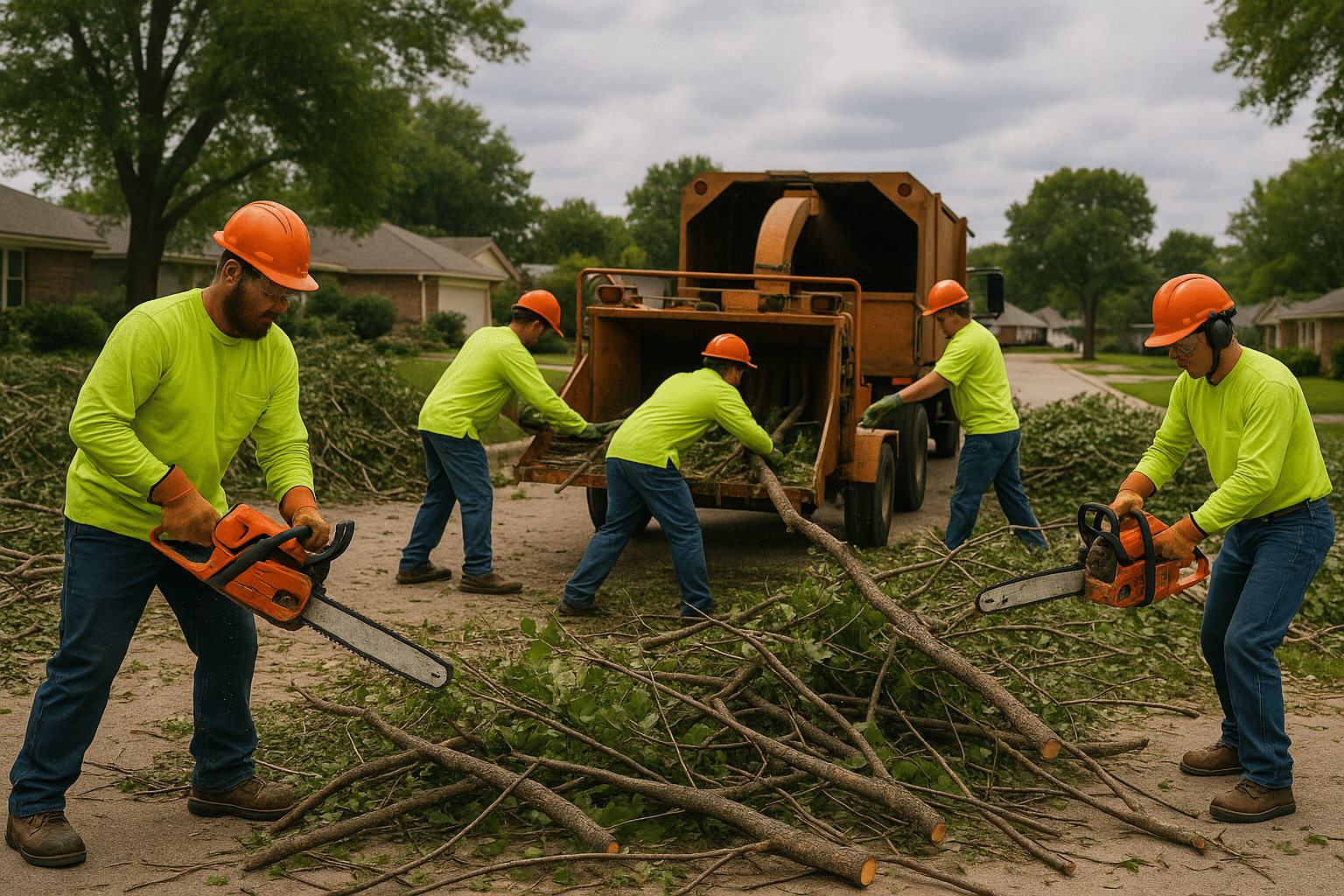
The Aftermath of Trees: Understanding Debris Removal
Looking for a tree debris removal service? Here’s what you need to know:
- Average Cost: $75-$500 (typical job around $150)
- What’s Included: Removal of branches, logs, leaves, stumps, and other tree waste
- Who To Hire: Licensed and insured professionals with specialized equipment
- Benefits: Safety, proper disposal, time savings, and environmental compliance
- Timeline: Most residential jobs completed within 1-3 days
When storms pass, trees fall, or pruning projects end, the aftermath often leaves homeowners facing piles of branches, logs, and leafy waste. Tree debris removal service is the professional solution for clearing this unwanted material from your property safely and efficiently.
The mess left behind after tree work isn’t just unsightly—it can create genuine hazards. Fallen branches may block pathways, create breeding grounds for pests, or even damage your property during the next windstorm. In Massachusetts and New Hampshire, where seasonal storms are common, prompt debris removal becomes especially important.
According to industry data, tree debris removal typically costs between $75 to $500, with most jobs averaging around $150. This price varies based on factors like debris volume, accessibility, and whether specialized equipment like grapple trucks or crane services are needed.
“No matter where your damaged or dangerous tree debris is on your property, professional tree removal services can safely and promptly remove it,” notes one tree care professional with over a decade of experience.
Rather than risking injury with DIY cleanup or letting debris linger on your property, professional services offer a complete solution—from collection and transportation to proper disposal or recycling. Some services even convert vegetation waste into valuable resources like mulch or organic topsoil, making the process environmentally responsible.

Related content about Tree debris removal service:
– Emergency tree removal service
– Local tree cutting companies
– Professional tree service Massachusetts
Understanding Tree Debris Removal Services
When the chainsaw falls silent and the dust settles, what happens to all those branches, logs, and leafy leftovers? That’s where a professional tree debris removal service comes into play – and it’s about much more than just hauling away a few sticks.
A tree debris removal service involves the complete process of collecting, transporting, and properly disposing of all waste materials that come from tree work or storm damage. Whether you’ve just had a tree trimmed, removed an entire maple, or weathered a nor’easter that left your yard looking like a wilderness, professional debris removal ensures your property returns to its clean, safe state.
Here in Massachusetts and New Hampshire, where seasonal storms can transform landscapes overnight, these services become especially valuable. At AA Tree Service, we’ve spent over two decades helping homeowners and businesses deal with the aftermath of tree work and weather events.
Professional debris removal isn’t just about convenience – it’s about safety, compliance with local regulations, and environmental responsibility. The process typically includes:
• A thorough assessment of what needs to be removed
• Strategic planning for efficient collection
• Safe loading and transportation of materials
• Environmentally responsible disposal or recycling
• Complete site cleanup that leaves your property looking better than we found it
“We collect, grind, process, and recycle wood debris instead of disposing of it improperly,” explains one industry professional whose company processes over 500,000 tons of wood fiber annually.
Types of Tree Debris Professionals Remove
When it comes to what we haul away, the list is longer than you might think. Professional tree debris removal service providers handle just about anything that once was part of a tree:
Branches and limbs make up the bulk of most debris removal jobs. Whether from pruning or storm damage, these range from pencil-thin twigs to substantial limbs that require special handling.
Leaves and small debris might seem minor, but they can clog drainage systems and create slip hazards when wet. We collect these thoroughly, often converting them into useful mulch or compost.
Tree trunks and logs present special challenges due to their weight and size. Our teams come equipped with the right tools and vehicles to handle even massive logs safely.
Stumps and root systems often require specialized equipment like stump grinders or excavators. Complete removal prevents regrowth and eliminates tripping hazards.
Storm debris often includes a mix of materials – some from trees, some not – requiring careful sorting and handling. After severe weather, we pride ourselves on quick response to help restore your property.
Hazardous materials require special attention. Trees infected with diseases like Dutch elm disease or infested with emerald ash borers need proper handling to prevent spread. For guidance on handling potentially hazardous waste, the EPA provides detailed information that we strictly follow.
At AA Tree Service, our approach is simple: “Not only do we remove trees, but we stay until your property is completely cleaned and restored.” This comprehensive cleanup ensures no potentially dangerous debris remains on your property, giving you peace of mind and a yard you can enjoy again.
Costs Associated with Tree Debris Removal Services

When that storm finally passes or your tree trimming project wraps up, you’re often left wondering: “How much is cleaning up all this going to cost me?” Let’s talk honestly about what you can expect to pay for a tree debris removal service.
Most homeowners find themselves spending between $75 to $500 for professional debris cleanup, with the average job coming in around $150. That said, Mother Nature doesn’t always play nice—after major storms or for properties with lots of trees, costs can climb to $1,500 or more depending on the extent of the damage.
That these figures reflect average market rates based on internet data, not actual costs for AA Tree Service. For a precise quote custom to your situation, we’re happy to provide a free same-day estimate—just give us a call!
What goes into your final bill? Think of it as having several pieces: a base service fee (typically $75-$150 to get started), hourly labor costs (usually $50-$100 per hour), dump fees for proper disposal, any specialized equipment needed, and of course, how much stuff we’re actually hauling away. Bigger piles mean bigger trucks—and sometimes multiple trips.

Factors Influencing Tree Debris Removal Service Costs
No two cleanup jobs are exactly alike, which is why pricing can vary so much. Here’s what actually determines your final cost:
Labor rates make up a significant portion of your bill. In Massachusetts and New Hampshire, professional tree crews typically charge between $50 and $100 per hour. More complex jobs require more hands on deck, which naturally increases the cost.
Volume of debris is probably the most obvious factor. That small pile of branches from pruning your apple tree? Much less expensive than clearing three mature oaks that came down in last night’s windstorm. Some companies charge by the truckload, while others calculate by cubic yard or weight.
Debris location matters more than you might think. If that fallen tree is right next to your driveway, we can get it cleaned up quickly. But if it’s tucked behind your garden shed with no direct equipment access, we’ll need more time and manpower. As one of our crew leaders often says, “The hardest debris to remove is the stuff we can’t get our equipment to!”
Dump trip fees add $75 to $250 per trip, depending on how far we need to travel and how much we’re hauling. If your cleanup requires multiple trips to the disposal facility, these fees multiply accordingly.
Seasonality affects pricing too. Winter often brings discounts (sometimes up to 20% less), while emergency removal after storms typically comes at a premium. After all, everyone needs help at once when a big storm hits!
Equipment required can significantly impact your bill. Basic cleanup might just need a truck and some strong backs, but larger jobs could require specialized equipment like cranes, grapple trucks, or bobcats with experienced operators—all of which increase costs.
Property accessibility is something homeowners don’t always consider. Tight spaces, steep slopes, or obstacles that make debris removal challenging will increase labor time and, consequently, costs.
Type of debris matters too. Some materials require special handling, particularly if disease or infestation is present. As one customer found after dealing with diseased elm trees: “The extra care they took to contain the problem was worth every penny—it protected the rest of our trees.”
“Tree debris removal costs can range from $75 to $500, with an average job costing around $150.” This industry average reflects what most homeowners can expect to pay, though your specific situation may vary.
At AA Tree Service, we believe in transparent pricing with no surprises. That’s why we provide detailed, free same-day quotes before any work begins. We’ll walk through exactly what your specific cleanup needs will cost, so you can make an informed decision that works for your property and your budget.
Benefits of Hiring a Tree Debris Removal Service
Let’s face it—dealing with fallen branches, logs, and leafy chaos after a storm or tree trimming isn’t anyone’s idea of a fun weekend. That’s where a professional tree debris removal service comes in, offering much more than just hauling away branches.
Safety First
When it comes to tree debris, what looks like a simple cleanup job can quickly become dangerous. Those seemingly manageable logs can weigh hundreds of pounds, and even smaller branches can cause serious injuries when handled improperly.
Professional crews come trained in proper lifting techniques and equipped with safety gear that most homeowners don’t have hanging in their garage. They know how to assess risks like partially fallen branches (sometimes colorfully called “widow makers” in the industry) that could come crashing down unexpectedly.
“Safety is highlighted as the top priority,” notes one industry expert, adding that “professional hazardous tree removal is indispensable” for maintaining property safety—especially after storms when conditions can be unpredictable.
Efficiency and Proper Equipment
Have you ever tried to fit a 12-foot branch into a standard pickup truck? It’s about as easy as it sounds. Professional tree debris removal services arrive with equipment specifically designed for the job:

The equipment professionals bring makes all the difference. Grapple trucks that can lift 3500 pounds in a single grab, massive 45-yard trailers, commercial-grade wood chippers, and skilled operators who can maneuver Bobcats with surgical precision—these tools turn days of backbreaking work into hours of efficient removal.
And let’s be honest—renting this equipment yourself often costs nearly as much as hiring professionals, without the benefit of experienced operators who know how to use it safely.
Environmental Compliance
Did you know that improper disposal of tree debris can result in fines in many Massachusetts and New Hampshire communities? Professional services understand local regulations and ensure your debris is handled responsibly.
Many companies, including AA Tree Service, go beyond basic compliance. Instead of simply dumping debris, responsible services recycle what they collect. “We collect, grind, & process over 500,000 tons of wood fiber per year,” notes one service in the industry, changing what would be waste into useful products like mulch and biofuel.
Time-Saving Solution
What would you rather do this weekend: spend it struggling with heavy branches and making multiple trips to the dump, or enjoying time with your family while professionals handle the mess?
The time-saving aspect of hiring professionals often gets overlooked when homeowners are considering costs. Between gathering equipment, doing the physical work, making disposal runs, and cleaning up afterward, DIY debris removal can consume entire weekends—or even weeks for larger jobs.
Professional crews typically clear even substantial debris in a single day, giving you back your valuable time.
Property Protection
That beautiful lawn you’ve been nurturing all summer can be quickly scarred by dragging heavy logs across it. Professional tree debris removal services use techniques and equipment designed to minimize impact on your landscaping and structures.
Crews are trained to protect your property while working. As one satisfied customer shared: “I was very impressed with their service! They showed up on time, gave me an accurate estimate, and were careful around my walls and door frames.”
Complete Cleanup
There’s nothing more frustrating than thinking a job is done only to find hundreds of small twigs and wood chips scattered across your yard. Professional services don’t just take the big pieces—they ensure thorough cleanup, leaving your property looking better than before the debris appeared.
At AA Tree Service, we pride ourselves on complete cleanups. When we finish a job, you won’t be finding tree debris in your flower beds for weeks afterward.
For situations requiring immediate attention after storms or emergencies, our Emergency Tree Removal Service provides 24/7 response throughout Massachusetts and New Hampshire, ensuring your property is safe and clean regardless of when disaster strikes.
Equipment Used in Tree Debris Removal
When you see professional tree debris removal service crews at work, it’s like watching a well-choreographed dance of machines and skilled operators. The equipment these pros use explains why they can clear in an afternoon what might take you an entire weekend—or longer.

Cutting and Processing Equipment
Those chainsaws the pros wield aren’t your typical hardware store models. Professional-grade chainsaws come with various bar lengths and significantly more power, allowing crews to slice through massive trunks and branches like they’re cutting butter. While you might struggle for 20 minutes with a stubborn branch, a pro with the right chainsaw might finish it in seconds.
Have you ever watched a wood chipper in action? It’s almost mesmerizing. These hungry machines devour branches up to 18 inches thick, changing what would be a truckload of debris into a compact pile of useful mulch. Some of our clients in Massachusetts and New Hampshire are delighted when we can leave them with some fresh mulch for their garden beds—turning a removal job into a landscaping bonus.
For those stubborn stumps that refuse to budge, stump grinders come to the rescue. These specialized machines don’t just remove the visible portion—they actually grind several inches below ground level, eliminating tripping hazards and freeing up the space for new plantings or landscaping features.
Heavy Lifting and Transport Equipment
When trees fall in awkward spots—over fences, near power lines, or precariously balanced on rooftops—cranes become essential. I’ve seen our crane operators perform what looks like magic, delicately lifting massive sections of tree without disturbing a single flower in the garden below.
One of the most impressive pieces of equipment has to be the grapple truck. These vehicles feature mechanical “claws” that can reach out up to 23 feet and lift an astonishing 3500 pounds of debris in a single grab. The 360-degree rotating grapple, guided by a skilled operator, can pluck debris from tight spots with surprising gentleness. It’s like watching a giant mechanical hand perform surgery on your landscape.
For navigating tight spaces while still moving heavy loads, nothing beats a Bobcat or skid steer. These versatile machines can pivot on a dime while carrying substantial weight. For larger jobs, a Bobcat Rental & Experienced Operator Service often makes the difference between a one-day job and a multi-day ordeal.
Of course, all this debris needs to go somewhere. Dump trailers and trucks with capacities up to 125 yards haul everything away efficiently. Some even feature “walking floor systems” that make unloading faster and safer at the processing facility.
Safety and Specialized Equipment
Beyond the big machines, professional crews rely on less visible but equally important equipment. Timber mats protect your lawn and driveway from damage during heavy equipment operation—something your grass will thank you for later.
The pros also gear up with serious personal protective equipment: helmets, eye protection, ear protection, cut-resistant clothing, and heavy-duty gloves. When you see a crew fully suited up, it’s a reminder of why DIY tree work leads to thousands of emergency room visits each year.
Clear communication devices might not seem exciting, but they’re critical for safety. When one team member is operating a crane while another is 40 feet in the air, reliable radio communication can literally be a lifesaver.
At AA Tree Service, we’ve invested in a comprehensive fleet of specialized equipment to handle tree debris removal projects of any size throughout Massachusetts and New Hampshire. Our operators aren’t just trained on these machines—they’ve developed the kind of intuition that only comes from years of experience.
The difference between DIY debris removal and professional service isn’t just about having the right tools—it’s about having the right tools in the hands of people who know exactly how to use them efficiently and safely. That’s how we transform chaotic post-storm landscapes back into beautiful, debris-free properties in a fraction of the time it would take otherwise.
Environmental and Legal Considerations
When it comes to tree debris removal service, there’s more to consider than just getting rid of branches and logs. Environmental regulations and legal requirements play a crucial role in how debris should be handled—and this is where professional services truly shine.
The Environmental Impact of Improper Disposal
That pile of branches in your yard might seem harmless, but improperly disposed tree debris can cause real problems. During dry seasons, dead wood becomes a serious fire hazard. Even in wetter climates like Massachusetts and New Hampshire, tree waste can become home to pests and diseases that might spread to your healthy trees or your neighbor’s property.
“The definition of illegal dumping varies by state, but usually involves one of the following scenarios: dumping waste on public or private property that is not licensed or permitted to receive waste…” This legal definition highlights why proper disposal matters.
Tree debris left in the wrong places can also block natural water drainage patterns, potentially leading to flooding during heavy rains. And let’s be honest—illegal dumping affects everyone in the community by creating eyesores and safety hazards.
Perhaps most importantly, when tree debris isn’t properly managed, we miss valuable opportunities to recycle and repurpose these natural materials into something useful.
Navigating the Legal Landscape
The rules around tree debris disposal aren’t simple. At the federal level, the Resource Conservation and Recovery Act (RCRA) establishes the framework for proper waste management. Then each state and local municipality adds their own specific regulations.
In Massachusetts and New Hampshire, regulations govern everything from where you can dispose of tree debris to how certain types of wood waste must be handled—particularly important when dealing with trees affected by invasive pests or diseases. The EPA defines hazardous waste to include certain types of contaminated wood waste, which requires special handling procedures you might not be equipped to manage.
Large-scale removal operations often require permits, and there are specific transportation requirements for moving substantial amounts of debris. Professional services stay current on these ever-changing regulations so you don’t have to worry about potential violations or fines.
From Waste to Resource: Sustainable Practices
Modern tree debris removal services have evolved beyond simply hauling waste to landfills. Today’s best practices focus on turning what was once considered waste into valuable resources.
Branches and smaller debris can be transformed into nutrient-rich mulch for landscaping. Quality logs might become firewood or even lumber for woodworking projects. Some debris becomes biomass fuel, contributing to renewable energy production. Even leaves and smaller organic materials can be composted into soil amendments that help new plants thrive.
At AA Tree Service, we prioritize these environmentally responsible approaches, ensuring that as much debris as possible gets a second life rather than simply being discarded.
Special Considerations After Storms
Storm cleanup presents unique challenges and opportunities. After major weather events, the volume of tree debris can be overwhelming—far beyond what municipal services typically handle. Our Storm Damaged services include proper handling of these often massive amounts of debris.
“After a large storm, debris such as huge pieces of wood remain on the property that aren’t picked up by county services, necessitating professional removal,” as one industry expert notes. While emergency situations sometimes come with modified regulations to expedite cleanup, professional services stay informed about these temporary changes to ensure compliance even during disaster response.
By choosing a professional tree debris removal service like AA Tree Service, property owners throughout Massachusetts and New Hampshire gain peace of mind knowing they’re meeting all environmental and legal obligations while contributing to sustainable waste management practices. We handle the complexities so you can simply enjoy a clean, safe property.
Preparing for Tree Debris Removal Services
Getting your property ready before the tree debris removal service team arrives can make a world of difference. With a little preparation, you’ll help ensure the job goes smoothly, potentially save money, and make the process easier for everyone involved.
Before the Service Arrives
Think of preparing for debris removal like getting your house ready for guests—a little tidying up goes a long way! Start by clearing access paths to the debris. Moving vehicles, patio furniture, or children’s toys that might block the crew’s path to your tree debris can save valuable time. The easier it is for professionals to reach and remove the material, the more efficient (and often less expensive) the service will be.
Got sprinkler heads, shallow utility lines, or prize rosebushes? Take a few minutes to mark these sensitive areas with flags or stakes. Your tree debris removal service team will appreciate knowing which areas need extra caution, and you’ll avoid potential damage to your property’s hidden features.
“Many homeowners don’t realize that simply gathering scattered debris into a central pile near the driveway can cut labor time by up to 30%,” explains one of our crew leaders at AA Tree Service. “This single step can make a substantial difference in how quickly we complete the job.”
If you have multiple debris piles scattered across your property, make sure to mention this when scheduling. This helps ensure we arrive with the right equipment and enough team members to handle everything efficiently.
For the safety of everyone involved, please secure pets indoors or in a fenced area away from the work zone. Even the friendliest dogs can become startled by the noise of equipment or get underfoot at just the wrong moment.
And if you’re feeling neighborly, a quick heads-up to adjacent homeowners is always appreciated, especially if the removal might temporarily affect shared access points or create some noise. Being thoughtful goes a long way in maintaining good community relations!
Communication with Service Providers
Clear communication prevents misunderstandings and ensures everyone’s expectations align. When you schedule your tree debris removal service, be sure to:
Provide clear directions to your property, especially if you’re in a rural area of Massachusetts or New Hampshire where GPS might not be perfectly accurate.
Don’t hesitate to discuss specific concerns about your property. Maybe you have a newly installed irrigation system, or perhaps there’s a particular tree nearby that you want to protect. The more we know, the better we can serve you.
Ask about cleanup standards so you know exactly what to expect when the job is complete. At AA Tree Service, we pride ourselves on thorough cleanup, but it’s always good to have clear expectations.
Confirm timing for the crew’s arrival and when they expect to complete the job. This is especially important if you need to be present or if you’re coordinating with other property maintenance activities.
For those unexpected situations that can’t wait, our Storm Cleanup Services provide rapid response throughout Massachusetts and New Hampshire.
Safety Considerations
Even though professionals handle the heavy lifting, safety awareness helps everyone. Keep children and pets away from work areas and equipment. Tree debris removal often involves power tools and heavy machinery that can be fascinating to watch but needs to be respected from a safe distance.
Be prepared for some noise during the removal process—chainsaws, wood chippers, and other equipment can be quite loud. You might want to plan quiet activities indoors during the noisiest parts of the job.
Dust and small debris may become airborne during removal, particularly on windy days or when using certain equipment. If you have respiratory sensitivities, staying indoors during the dustiest phases of the work is a good idea.
Post-Removal Plans
While the tree debris removal service team is taking care of the immediate issue, it’s smart to think ahead about what comes next:
Will you need to fill in areas where large debris was removed? Sometimes substantial stumps or root balls can leave depressions that need soil or mulch to level out.
Are you planning to replant or landscape the cleared area? If so, you might want to ask the removal team for advice based on their local experience in Massachusetts and New Hampshire.
Consider preventative measures to avoid future debris accumulation, especially if your property has many mature trees. Regular pruning and maintenance can reduce the likelihood of major debris issues after storms.
At AA Tree Service, we’re always happy to discuss these considerations and provide recommendations based on our 20+ years of experience serving communities throughout Massachusetts and New Hampshire. We’re not just here to remove debris—we’re here to help you maintain a beautiful, safe property for years to come.
A little preparation makes the entire tree debris removal service process more efficient and effective. We appreciate customers who take these steps, and we’re committed to providing the most thorough, professional service possible in return.
How to Choose a Reputable and Insured Tree Debris Removal Service
Finding the right tree debris removal service feels a bit like dating – you want someone reliable, honest, and who won’t leave a mess behind! The good news is that with a little homework, you can find a professional service that checks all these boxes. Here’s how to find your perfect match in Massachusetts and New Hampshire:
Essential Credentials to Verify
Trust is built on verification, not just promises. When a company says “You will not have to worry about anything because we are fully-insured,” your next words should be “May I please see your certificates?”
Always verify proper licensing specific to Massachusetts and New Hampshire requirements. These aren’t just pieces of paper – they’re proof that the company meets professional standards established by state authorities.
Comprehensive insurance is non-negotiable. This includes both liability insurance (protecting your property) and workers’ compensation (protecting the workers on your site). Without these, you could be personally liable if someone gets injured on your property or if your home sustains damage during the removal process.
Look for industry certifications from organizations like the International Society of Arboriculture (ISA) or Tree Care Industry Association (TCIA). These show a commitment to ongoing education and professional standards that goes beyond the minimum requirements.
Finally, a quick check with the Better Business Bureau can reveal any red flags in a company’s history. Companies like AA Tree Service with 20+ years in business have demonstrated staying power precisely because they maintain good standing in the community.
Evaluating Experience and Reputation

The internet has made checking a company’s reputation easier than ever. Look for reviews that mention specific details about the service experience – these tend to be more reliable than vague praise or complaints.
“I was very impressed with their service! They showed up on time, gave me an accurate estimate, and were careful around my walls and door frames.” This kind of detailed feedback tells you so much more than a simple five-star rating.
When evaluating companies, pay attention to how they respond to negative reviews too. Do they address concerns professionally? A company that takes criticism gracefully and works to resolve issues speaks volumes about their customer service philosophy.
Don’t be shy about asking for references or examples of similar jobs they’ve completed. Reputable tree debris removal service providers will be happy to share their success stories and before-and-after photos of their work.
Getting and Comparing Quotes
Money talks, but it shouldn’t be the only voice in the conversation. When collecting quotes for tree debris removal service, aim for at least three estimates to get a feel for fair market pricing in your area.
A proper quote should break down costs for labor, equipment, disposal fees, and any other charges. If you receive a one-line estimate with just a total price, consider it a red flag. Transparency in pricing reflects transparency in service.
Ask important questions like: “Does this include complete cleanup?” You might be surprised how definitions of “clean” can vary between companies! Also confirm timing – both when they can start and how long the job will take.
One industry insider tip: “Wait at least a week after a storm for quotes to get more competitive pricing.” Emergency situations often come with premium pricing, so if your debris isn’t posing immediate danger, a little patience might save you money.
Don’t forget to ask about disposal methods. Environmentally conscious companies will have clear answers about how they’ll handle your debris – whether it’s recycling, mulching, or proper facility disposal.
Red Flags to Watch For
Your instincts are valuable tools when evaluating tree debris removal service providers. Be cautious of companies that:
Demand full payment upfront – a reasonable deposit is normal, but paying the entire amount before work begins puts you at risk.
Can’t provide documentation – professional companies have proper paperwork and don’t mind sharing it.
Use high-pressure tactics – quality services sell themselves without aggressive pushiness.
Have suspiciously low prices – remember that quality equipment, proper insurance, and professional labor aren’t cheap. If a quote seems too good to be true, it probably is.
Operate without a physical address – established businesses have real locations, not just a cell phone number.
For situations requiring immediate attention after storms or emergencies, services like our Fallen Tree Removal provide quick response while maintaining professional standards.
Tips for a Smooth Working Relationship
Clear communication forms the foundation of any successful project. Before work begins, make sure you and your chosen service provider are on the same page about expectations, timeline, and cleanup standards.
Get everything in writing – verbal agreements leave room for misunderstanding. A professional estimate should outline exactly what services will be provided and what the end result will look like.
Discuss specific concerns about your property beforehand. Maybe you have prized landscaping features you want protected, or perhaps you’re worried about access for equipment. Addressing these issues upfront prevents problems later.
At AA Tree Service, we’ve built our reputation on transparent communication and detailed written estimates throughout Massachusetts and New Hampshire. We believe the best projects start with clear expectations and end with complete customer satisfaction – that’s been our formula for success for over two decades.
When you choose a tree debris removal service with care, you’re not just clearing your yard – you’re investing in safety, professional results, and peace of mind.
Frequently Asked Questions about Tree Debris Removal Services
Is debris removal included with tree removal or trimming services?
When you hire a tree service company, one of the first questions that naturally comes to mind is whether they’ll clean up after themselves. This is something we hear all the time at AA Tree Service, and it’s an important clarification to make before any work begins.
In most cases, reputable tree services (including us) include basic debris removal as part of their standard tree removal or major trimming packages. This typically covers hauling away the larger branches, trunk sections, and obvious debris that results from the work.
However, there can be some gray areas worth discussing upfront. Some companies consider certain aspects to be “extras” that might incur additional fees:
Stump removal often falls into this category, as it requires specialized equipment and additional time. Complete leaf and small twig cleanup might also be considered separate from standard debris removal, especially after extensive pruning. Some services might offer to stack firewood for you rather than removing it, while others might charge extra for complete lawn restoration after heavy equipment has been used.
“Debris removal is often included in the overall cost of having a tree removed, but it’s important to ask whether it’s included in the price or if an extra fee applies,” notes one industry professional.
At AA Tree Service, we believe in clear communication about what you’re getting. Our quotes specifically outline what level of cleanup is included so there are no surprises when the job is done. We’ve found that this transparency builds trust with our Massachusetts and New Hampshire customers and leads to happier relationships.
What factors influence the cost of tree debris removal?
The price tag attached to tree debris removal service can vary widely, and understanding why helps you better evaluate quotes. Several key factors determine what you’ll pay:
Volume and weight matter tremendously. A small pile of branches will naturally cost less than clearing an entire fallen maple tree. Heavy materials like waterlogged logs require more labor and equipment than lightweight brush and leaves.
Location on your property plays a surprisingly big role in pricing. Debris sitting conveniently near your driveway is much easier to remove than material tucked away in a hard-to-reach backyard corner. As one specialist explains, “The location of the debris on your property influences labor time and overall cost, especially in hard-to-reach or hazardous areas.”
Equipment requirements can significantly impact your bill. If your job needs specialized machinery like cranes, grapple trucks, or bobcats with experienced operators, the cost will reflect that investment.
Local disposal fees vary widely and are typically passed through to customers. Some facilities charge by weight, others by volume, and these fees have been steadily increasing in many areas.
Seasonal timing affects pricing more than many realize. Winter often offers savings (sometimes up to 20% less), while post-storm emergency removal typically commands premium rates. Spring and fall, being peak seasons, often have higher baseline prices due to demand.
Travel distance to disposal facilities adds to fuel and time costs, especially in more rural parts of Massachusetts and New Hampshire.
At AA Tree Service, we consider all these factors when preparing your quote, ensuring you understand exactly what you’re paying for and why.
How can I prepare my property for tree debris removal services?
A little preparation before your tree debris removal service arrives can make a big difference in how smoothly the process goes. These simple steps can save you time, potentially reduce costs, and help ensure everything goes according to plan:
Clear access paths by moving vehicles, patio furniture, planters, or other items that might block equipment or create obstacles for the crew. The more easily trucks and workers can reach the debris, the faster they can complete the job.
Consider consolidating smaller debris if it’s safe for you to do so. Gathering twigs and branches into accessible piles can reduce labor time, but please don’t attempt to move anything heavy or unwieldy—that’s what you’re hiring professionals for!
Mark important hidden features of your property like irrigation heads, shallow utility lines, or delicate plantings. Simple flags or stakes can prevent accidental damage during the removal process.
Keep pets and children safely away from work areas. Tree debris removal involves heavy equipment and materials that can pose safety risks to curious onlookers.
Plan for noise disruption, especially if you work from home. Equipment like wood chippers creates significant noise that might interfere with conference calls or concentration.
One industry professional advises: “Prepare the debris in advance by collecting and stacking it neatly near an accessible area (e.g., near the driveway) to reduce labor time.” This simple step can sometimes reduce your overall service costs.
Communicate any special concerns to your service provider before they arrive. If you have particular worries about certain trees, structures, or landscaping features, mentioning these upfront allows the crew to plan accordingly.
At AA Tree Service, we’re always happy to provide specific preparation guidelines based on your unique property when you schedule your service. Our goal is to make the process as smooth and stress-free as possible for our Massachusetts and New Hampshire customers.
Conclusion
Tree debris removal service is an essential component of maintaining a safe, beautiful, and functional property. Throughout this guide, we’ve explored the many facets of professional debris removal—from understanding costs and benefits to selecting the right service provider and preparing your property.
When trees come down or get trimmed, they leave behind more than memories—they leave physical remnants that require proper handling. The journey from fallen branch to clean property involves numerous considerations, all of which we’ve covered to help you make informed decisions about your tree debris needs.
Professional debris removal isn’t just about convenience; it’s about creating a safer environment for your family and visitors. Those scattered branches might seem harmless, but they can become hazardous during the next windstorm or create perfect hiding spots for unwelcome pests. By removing debris promptly and properly, you’re investing in both your property’s appearance and its safety.
Cost considerations remain top of mind for most homeowners. While prices typically range from $75 to $500 for most jobs, complex situations involving difficult access or massive volumes of debris might reach $1,500 or more. The variables affecting your final price—from volume and accessibility to seasonal timing and equipment requirements—all play important roles in determining what you’ll pay for professional service.
Beyond the practical aspects of debris removal, we’ve highlighted the environmental and legal considerations that make professional services particularly valuable. Proper disposal isn’t just good practice—in many cases, it’s the law. Professional services understand these regulations and ensure your debris is handled responsibly.
At AA Tree Service, we bring over 20 years of experience to every tree debris removal service we provide throughout Massachusetts and New Hampshire. Our commitment to customer satisfaction, safety, and environmental responsibility sets us apart in the industry.
We’re proud to offer comprehensive services that address all your debris removal needs:
– 24/7 emergency response when storms leave your property littered with hazardous debris
– Free same-day quotes so you can budget accurately without delay
– Fully licensed and insured professionals who protect both your property and our team
– Thorough cleanup that leaves your property looking better than before
– Environmentally responsible disposal practices that turn waste into resources when possible
Whether you’re dealing with the aftermath of a New England nor’easter, completing a landscape renovation, or removing a hazardous tree, our team brings the equipment, expertise, and experience needed to handle the job efficiently and safely.
For more information about our services or to schedule your free quote, visit our Tree Removal page or contact us directly. Let us handle the heavy lifting while you enjoy a clean, safe property.
Proper tree debris removal isn’t just about aesthetics—it’s about protecting your property value, ensuring family safety, and maintaining environmental responsibility. Trust the professionals at AA Tree Service to provide the comprehensive solution you need, with the neighborly service you deserve.