Tree Crown Reduction Services in Massachusetts & New Hampshire
A tree that’s gotten too tall, too wide, or too heavy doesn’t need to come down — it needs the right kind of pruning. Crown reduction is the controlled way to shrink a tree’s size while keeping it healthy, balanced, and safe. Done wrong, it’s called topping and it can kill the tree. Done right, it adds years to the tree’s life. Here’s how we do it across MA and NH.

5.0 Rating
Tree Crown Reduction Services
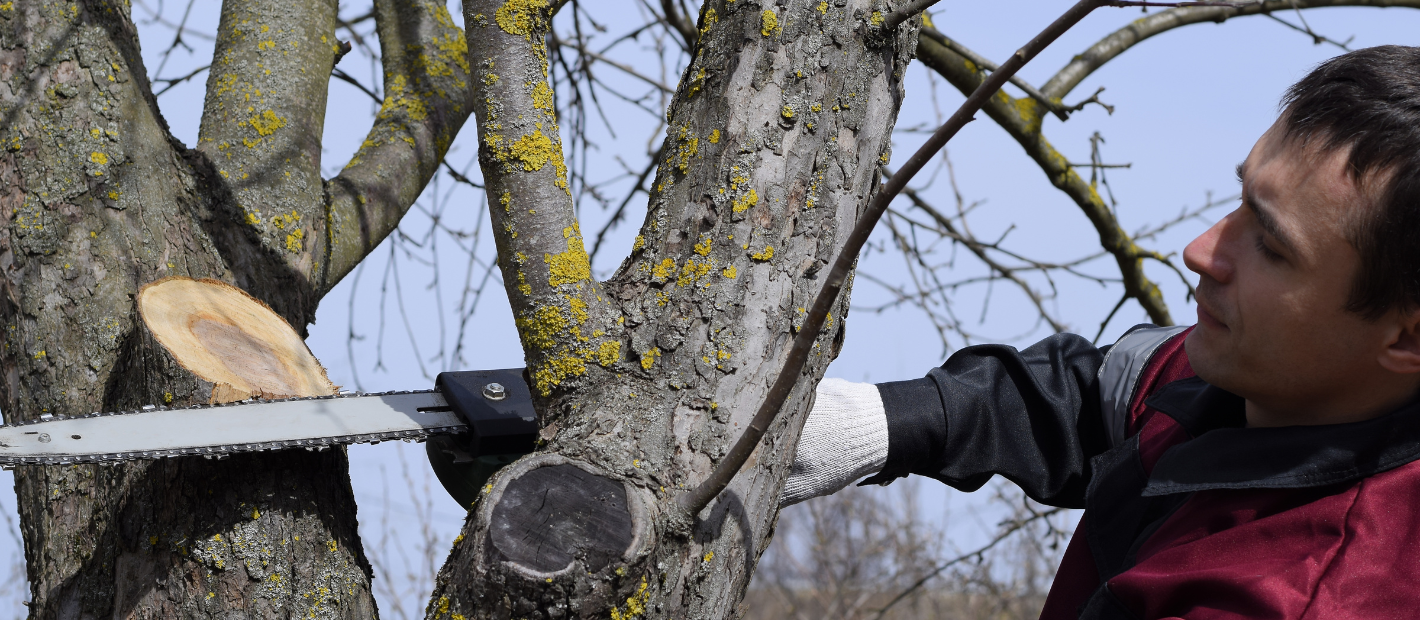
When a tree gets too tall for its spot, starts crowding power lines, leans heavily over your roof, or develops a dangerously top-heavy canopy, the right answer is rarely full removal. It’s crown reduction — a precise pruning method that shortens a tree’s height and spread by cutting back to healthy lateral branches, not by lopping off the top.
This isn’t tree topping. Topping is what unqualified crews do, and it leaves a tree disfigured, stressed, and prone to decay, weak regrowth, and eventual failure. Crown reduction is what a certified arborist does — and when it’s done correctly, your tree keeps its natural shape, regains structural balance, and lives another 30–50 years.
AA Tree Service has been performing crown reduction across Massachusetts and New Hampshire for over 20 years. Every cut is planned, every branch is selected for a reason, and every job is finished with full cleanup included.
What Crown Reduction Actually Means
Crown reduction is a selective pruning technique used to make a tree smaller without compromising its long-term health. Done correctly, it reduces the overall height and spread of the canopy while keeping the natural shape and structure intact.
- Reduces overall tree height by 15–30% (any more risks long-term damage)
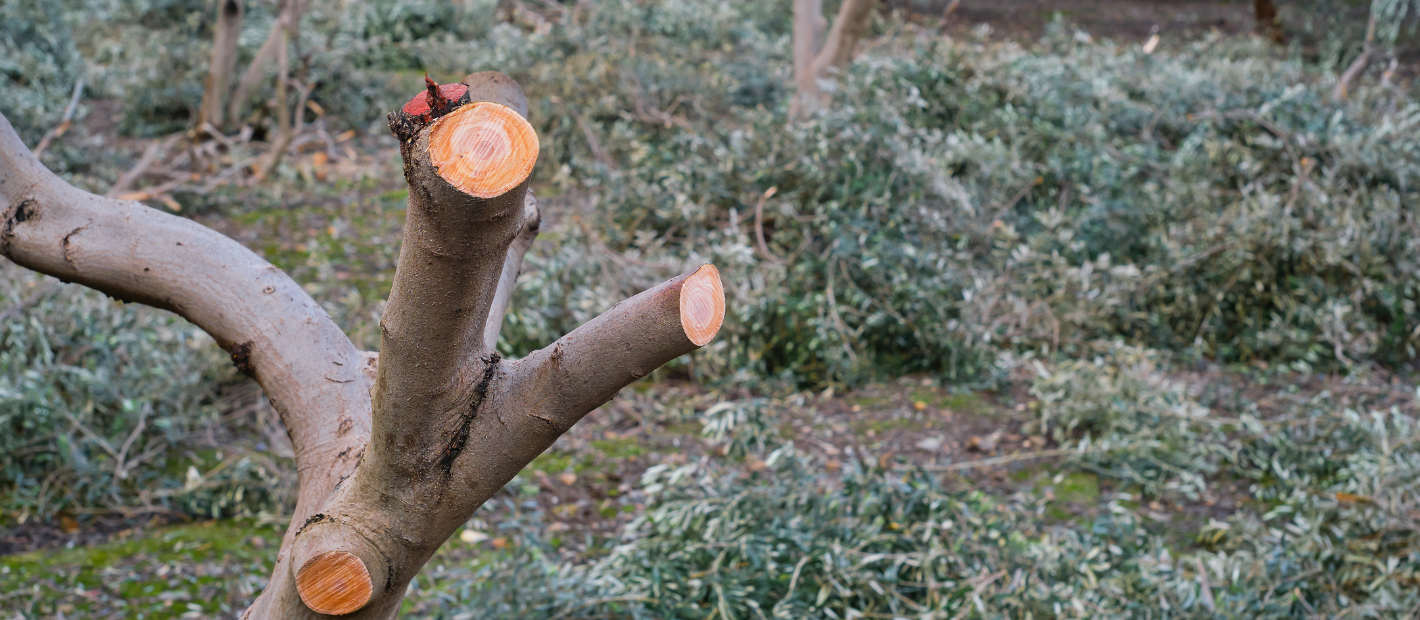
- Cuts are made back to a healthy lateral branch at least one-third the diameter of the limb being removed
- Cuts are made back to a healthy lateral branch at least one-third the diameter of the limb being removed
- Removes weight from heavy or overextended limbs that could fail in a storm
- Restores balance to top-heavy or lopsided canopies
- Opens the canopy slightly to improve light penetration and air flow
This is different from crown thinning (removing interior branches), crown cleaning (removing dead/diseased wood), and crown raising (removing lower limbs). For trees that need a combination of techniques, see our full guide.
Crown Reduction vs Tree Topping — Why It Matters
This is the single most important thing for homeowners to understand: tree topping and crown reduction are not the same. Topping is cheap, fast, and destructive. Crown reduction is slower, skilled, and protective.
Tree topping (what to avoid):
- Indiscriminate cuts straight across the top of the tree
- Leaves large stubs that can’t heal
- Triggers weak, vertical “watersprout” regrowth
- Exposes inner bark to sunscald and disease
- Often leads to internal decay within 5–10 years
- Reduces property value
- Banned by most municipalities and forbidden by ANSI A300 pruning standards
Crown reduction (what we do):
- Each cut is made to a specific lateral branch
- No stubs, no flat tops, no removal of more than 25% of foliage in one season
- Preserves the tree’s natural architecture
- Encourages strong, healthy regrowth
- Follows ANSI A300 and ISA arborist standards
- Adds decades to the tree’s safe lifespan
If someone has already topped your tree, restoration pruning may still be possible — request an assessment and we’ll tell you honestly whether the tree can be saved.
When Crown Reduction Is the Right Call
Not every overgrown tree needs reduction. Sometimes it needs thinning. Sometimes it needs removal. Here’s when crown reduction is the right move.
- The tree has outgrown its space — too tall, too wide, or too close to a structure. It’s near your house, fence, driveway, or septic system
- A storm has left the canopy unbalanced and top-heavy
- Heavy upper limbs are at risk of failure
- The tree is shading too much of your yard, garden, or solar panels
- Roof or chimney clearance is becoming a problem
- The tree leans, and reducing weight at the top can stabilize it
- You want to extend the safe life of a mature tree without removing it
Some situations call for full removal instead — heavy decay, dead trees, or trees that are too far gone for pruning to fix. If you’re unsure which way to go, see our guide on signs your tree needs to come down.
When to Do Crown Reduction in New England
Timing matters. Most reduction work in MA and NH is done in late fall through early spring while the tree is dormant — that’s when cuts heal fastest and disease risk is lowest.
- Best window: Late November through early March (dormant season)
- Oaks specifically: November through March only — never during the growing season due to oak wilt
- Maples & birches: Late fall preferred — spring pruning causes heavy sap bleeding
- Hazard reductions: Can be done any time of year when safety is the priority
- Storm-damaged trees: Done as soon as conditions allow, regardless of season
Light reductions and dead-wooding can happen year-round, but heavier structural work waits for dormancy. If you’re not sure when your specific tree should be pruned, just call — we’ll schedule it for the right window.
Our Crown Reduction Process
Every crown reduction job follows the same controlled, planned process. No improvisation, no guessing, no shortcuts.
- Free on-site assessment of the tree’s structure, health, and surroundings
- We mark which branches will be cut and explain the plan before any work starts
- Climber or bucket truck access depending on the tree and site
- Each cut is made at a proper lateral branch — never a stub
- No more than 25% of live foliage removed in a single season
- Final shape preserves the tree’s natural silhouette
- All debris chipped and hauled away — your property left clean
- Optional follow-up assessment 12 months later to check regrowth
For trees too large to climb safely or in tight access spots, we bring in our crane crew.
Request a Free Stump Removal Estimate
AA Tree Service provides crown reduction and full pruning services across Massachusetts and southern New Hampshire. We work throughout Middlesex, Essex, Norfolk, and Suffolk counties in MA, and Rockingham, Hillsborough, and Merrimack counties in NH.
15% OFF!
New customers receive 15% OFF on their first tree service!
Mention this promo during the estimate!
Tree Crown Reduction — Questions We Get
Is crown reduction the same as tree topping?
No, and this is the single most important thing to understand. Topping is indiscriminate cutting straight across the top of a tree — it leaves stubs, triggers weak regrowth, and causes long-term decay. Crown reduction is selective pruning that cuts each branch back to a healthy lateral, preserves the natural shape, and follows industry standards. We do crown reduction. We never top trees.
How much of a tree can be safely reduced at once?
No more than 25% of live foliage in a single season — and for older or stressed trees, even less. If a tree needs more reduction than that, we plan it over two or three seasons. Removing too much at once shocks the tree and triggers the same problems as topping.
Will my tree grow back to the same size?
Eventually, yes — that’s normal. Crown reduction isn’t permanent. Most properly reduced trees will regain their original size within 5–10 years, depending on species and growing conditions. The goal isn’t to keep the tree small forever — it’s to manage the size on a maintenance cycle while keeping the tree healthy.
Can crown reduction save a leaning tree?
Sometimes. If the lean is recent and the root plate is still solid, reducing weight at the top can stabilize the tree and prevent failure. If the lean is severe, the roots are compromised, or there’s visible heaving in the soil, the tree should come down instead. A hazard assessment will tell you which it is.
When is the best time to reduce a tree's crown in MA or NH?
Late November through early March, when the tree is dormant. That’s when cuts heal fastest, disease pressure is lowest, and the tree’s structure is most visible. Oaks should only be pruned in this window due to oak wilt. Emergency or hazard reductions can be done any time.
Is crown reduction the same as crown thinning?
No. Thinning removes interior branches to let more light and air through the canopy without changing the tree’s overall size. Reduction makes the tree smaller. They’re often done together but they’re different techniques with different goals.
Do I need a permit for crown reduction in Massachusetts or New Hampshire?
For trees on your own property, generally no. For trees in the public right-of-way, near power lines, or on protected/historic properties, you may need a permit or utility coordination. We handle the coordination when needed — just ask during the quote.
Can crown reduction be done on storm-damaged trees?
Yes — in fact, it’s one of the best tools for stabilizing storm-damaged trees that aren’t beyond saving. Removing weight from broken or compromised limbs reduces stress on the rest of the tree while it recovers. For severe storm damage, see our emergency response page.
How long does a crown reduction job take?
Most residential reductions take half a day to a full day depending on the tree size, access, and crew used. Larger or more complex jobs — multiple trees, crane required, tight access — can take longer. We give you a clear time estimate before we start.
Why Choose AA Tree Service?
Choose AA Tree Service for expert care, professionalism, and dependable service. We go beyond basic tree work to provide long-term solutions that protect your property and preserve your landscape.
With experienced technicians, advanced equipment, and a commitment to safety, we deliver high-quality results on every project.

Licensed & Insured

Customer Satisfaction Guarantee

Over 20 Years of Experience

Locally Owned

Experienced Technicians