Why Professional Tree Care Matters for Massachusetts and New Hampshire Homeowners
Finding a reliable local tree service company is crucial for homeowners who want to protect their property and maintain healthy trees. With the right professionals, you can address everything from routine pruning to emergency storm damage safely and efficiently.
Quick Guide to Local Tree Service Companies:
- Core Services: Tree removal, pruning, stump grinding, emergency response
- Average Costs: $200-$2,000 for removal (based on internet data, varies by size and complexity)
- Key Certifications: ISA Certified Arborists, TCIA accreditation
- Insurance Required: General liability and workers’ compensation
- Best Season: Late fall through early spring for most removals in New England
Massachusetts and New Hampshire homeowners face unique challenges with their trees. Harsh winters, nor’easters, and aging tree populations create situations where professional expertise isn’t just helpful – it’s essential for safety.
The difference between a qualified tree service and an unlicensed contractor can mean the difference between a job done right and costly property damage. Professional tree care companies bring specialized equipment, proper insurance coverage, and trained arborists who understand local tree species and weather patterns.
Related content about Local tree service company:
– Tree hazard assessment
– Land clearing for development
– Tree planting services
Local Tree Service Company 101 – Services You Can Expect
When you’re looking for a local tree service company, it helps to know what services you should expect from a professional crew. The best companies offer much more than just cutting down trees – they’re like healthcare providers for your entire landscape.
Most established companies provide comprehensive Tree Care Services that cover everything from routine maintenance to emergency calls. Tree removal gets the most attention, but services like proper pruning and plant health care often save you money in the long run by keeping your trees healthy and strong.
What really separates the pros from the weekend warriors is their emergency response capability. When a nor’easter knocks a massive oak toward your house at 2 AM, you need a crew that answers the phone and shows up with the right equipment and insurance coverage.
Land clearing services help when you want to expand your usable yard space or prepare for construction projects. Other essential services include tree pruning, stump grinding, fertilization, and cabling & bracing for trees that need extra support.
Core Services Every Local Tree Service Company Offers
Every solid local tree service company should handle these fundamental services. Tree removal forms the backbone of most operations, but professional removal involves careful planning, proper equipment, and systematic dismantling that protects your property.
Tree pruning and Tree Trimming Services require different skills than removal. Proper pruning promotes tree health, removes dangerous branches, and keeps your trees looking their best. Studies show that about 80% of residential trees could benefit from professional trimming.
Stump grinding eliminates ankle-twisting hazards and prevents your yard from becoming a beetle hotel. Professional grinders can remove stumps 6-14 inches below ground level, so you can plant grass over the area.
Emergency services truly distinguish professional companies from part-time operators. Storm damage creates immediate safety hazards that require rapid response with proper equipment.
Extra Services That Make a Local Tree Service Company Stand Out
Advanced services separate exceptional local tree service companies from basic contractors. Stump Grinding equipment fits through standard backyard gates while achieving removal depths of 8-30 inches.
Tree health assessment and plant health care programs help you maintain valuable trees rather than removing them. Certified arborists can diagnose diseases, recommend treatments, and implement preventive care programs that extend a tree’s life by decades.
Deep-root fertilizing uses specialized equipment to deliver nutrients directly to root systems. Cabling and bracing systems support structurally compromised trees that would otherwise need removal.
Hazard assessment services help you identify potential problems before they become expensive emergencies, while specialized storm cleanup ensures your property is safe after severe weather events.
How to Choose a Local Tree Service Company in MA & NH
Finding the right local tree service company feels overwhelming when you’re staring at a damaged tree in your yard. But with a little homework, you can find professionals who’ll treat your property like their own.
Massachusetts and New Hampshire homeowners deal with tough conditions. Those brutal nor’easters and our diverse mix of maples, oaks, and pines each need different care approaches. You want a company that understands these local challenges.
ISA certification should be your first checkpoint. The International Society of Arboriculture sets the gold standard for tree care knowledge. TCIA accreditation (Tree Care Industry Association) adds another layer of credibility, showing the company follows industry best practices.
Insurance isn’t just paperwork – it’s your protection. Any legitimate company carries general liability insurance for property damage and workers’ compensation for their crew. Don’t feel awkward asking to see current certificates.
Written estimates separate the pros from the fly-by-night operators. Detailed proposals break down labor costs, equipment fees, disposal charges, and cleanup services.
Equipment tells a story about capability. Professional operations maintain bucket trucks, cranes, chippers, and specialized rigging gear. Companies showing up with just chainsaws and pickup trucks lack resources for complex removals.
Our Service Area spans communities throughout both states, giving us deep familiarity with local tree species, soil conditions, and municipal requirements.
Vetting Checklist for Homeowners
Background verification prevents expensive headaches later. Call the insurance company directly to confirm coverage – don’t just accept a photocopy of a certificate.
Municipal licensing requirements vary across Massachusetts and New Hampshire communities. Legitimate companies maintain all necessary permits and understand local regulations about tree removal.
Contract details deserve careful attention before you sign anything. Professional agreements specify exactly what work gets done, who handles cleanup, realistic timelines, and payment schedules. Run from anyone demanding full payment upfront.
Cleanup policies separate thorough professionals from corner-cutters. Quality companies include complete debris removal in their estimates and dispose of materials responsibly.
Response time expectations help you plan accordingly. Emergency storm damage requires immediate attention, but routine pruning might need scheduling weeks ahead during busy seasons.
Our Certified Arborist Tree Service Near Me page offers additional guidance for locating qualified professionals throughout our service region.
Local Tree Service Company Pricing & Cost Factors
Tree service pricing can feel like a mystery, but understanding the key factors helps you budget wisely and spot fair deals. Local tree service company rates vary significantly based on several important considerations that affect both the complexity and safety of the work.
Average tree removal costs range from $200 for small trees up to $6,000 for massive specimens requiring specialized equipment. These are average costs based on internet data and not actual costs for specific companies. The typical homeowner spends around $750 for tree removal, but your actual cost depends heavily on your specific situation.
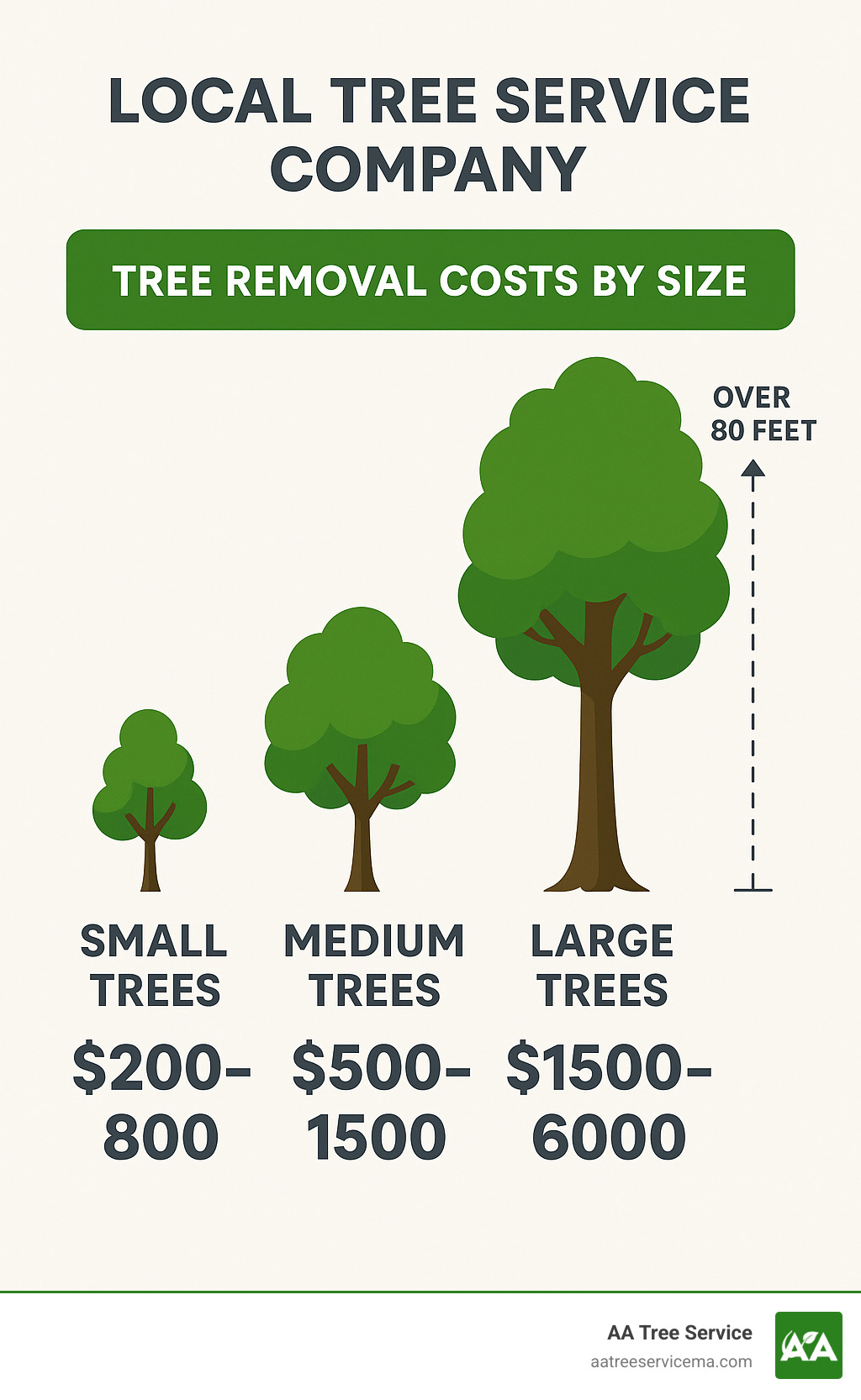
Tree size obviously impacts pricing, with smaller trees under 30 feet costing $200-800 while medium trees run $500-1,500. Large trees over 80 feet typically start at $1,500 and can reach $6,000 when complex rigging or crane work becomes necessary.
Accessibility challenges can double your costs quickly. That beautiful maple in your backyard might look simple to remove, but if crews can’t get equipment close to it, every branch needs careful hand-carrying to the street. Easy street access keeps costs reasonable, while tight spaces require more labor and time.
Crane requirements add substantial expense but become necessary for large trees near homes, power lines, or other structures. Budget at least $1,500 for any removal requiring crane assistance – the equipment rental alone costs hundreds per day, not counting the specialized operators.
Permit fees vary by municipality throughout Massachusetts and New Hampshire. Some towns require permits for removing trees over certain diameters or protected species. These permits typically cost $50-200 and professional companies handle the paperwork as part of their service.
Seasonal demand affects pricing just like any service industry. Spring cleanup and fall preparation represent peak seasons when everyone wants tree work done. Winter removals often cost less, though weather delays can extend project timelines.
Understanding Quotes & Getting the Best Value
Smart homeowners request written estimates that break down all project components clearly. Professional companies itemize labor costs, equipment fees, debris disposal, permits, and cleanup separately. This transparency lets you compare different companies fairly and understand exactly where your money goes.
Hidden fees plague the tree service industry, especially with less established operators. Legitimate companies include all costs upfront – disposal fees, site cleanup, permit costs, and any additional equipment needs. If a company mentions “additional charges may apply” without specifics, keep shopping.
Multiple bids help ensure fair pricing, but the cheapest option often becomes the most expensive mistake. Consider insurance coverage, equipment quality, and local reputation when comparing estimates. A slightly higher price from a fully insured, experienced local tree service company typically provides much better value than a bargain-basement bid from an uninsured contractor.
Payment terms should protect homeowners, not contractors. Professional companies never demand full payment upfront. Expect to pay a small deposit to secure your spot on the schedule, with final payment due only after completion and your satisfaction with the work.
Financing options help spread costs for larger projects. Some companies offer payment plans for extensive tree removal or land clearing projects that might otherwise strain your budget.
Our Tree Removal services include detailed, transparent estimates that help Massachusetts and New Hampshire homeowners understand all aspects of their project costs before any work begins.
Safety, Insurance & Certifications
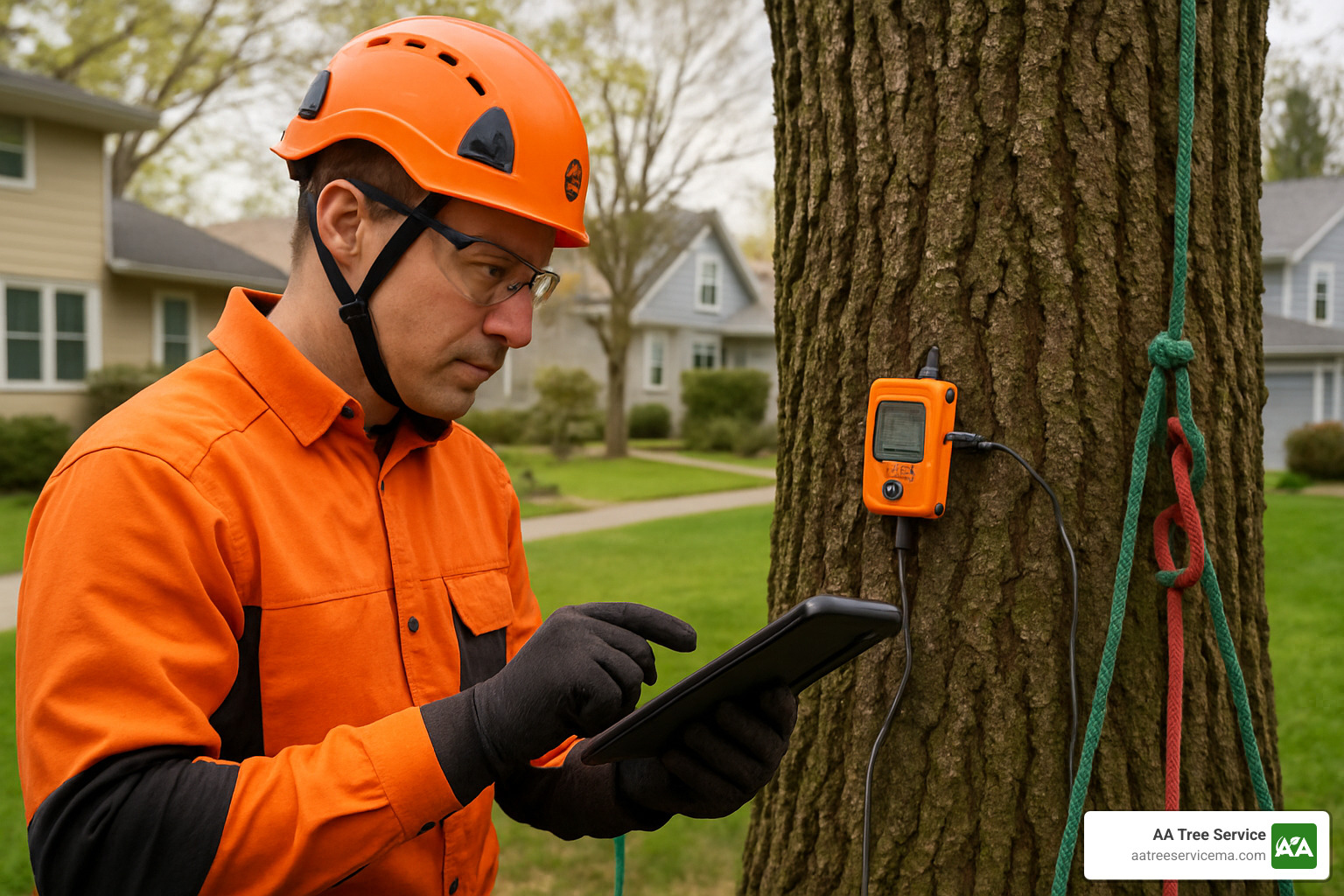
When you’re watching a crew work on your property, you want to see more than just chainsaws and hard hats. Professional tree service companies invest heavily in safety equipment and training because tree work ranks among the most dangerous occupations in America.
Proper safety starts with Personal Protective Equipment (PPE) that goes far beyond basic gear. Professional crews wear cut-resistant clothing, fall protection harnesses, and specialized helmets designed for overhead hazards.
OSHA standards govern commercial tree work for good reason. These federal guidelines protect workers and property owners by requiring specific safety procedures, equipment inspections, and training protocols.
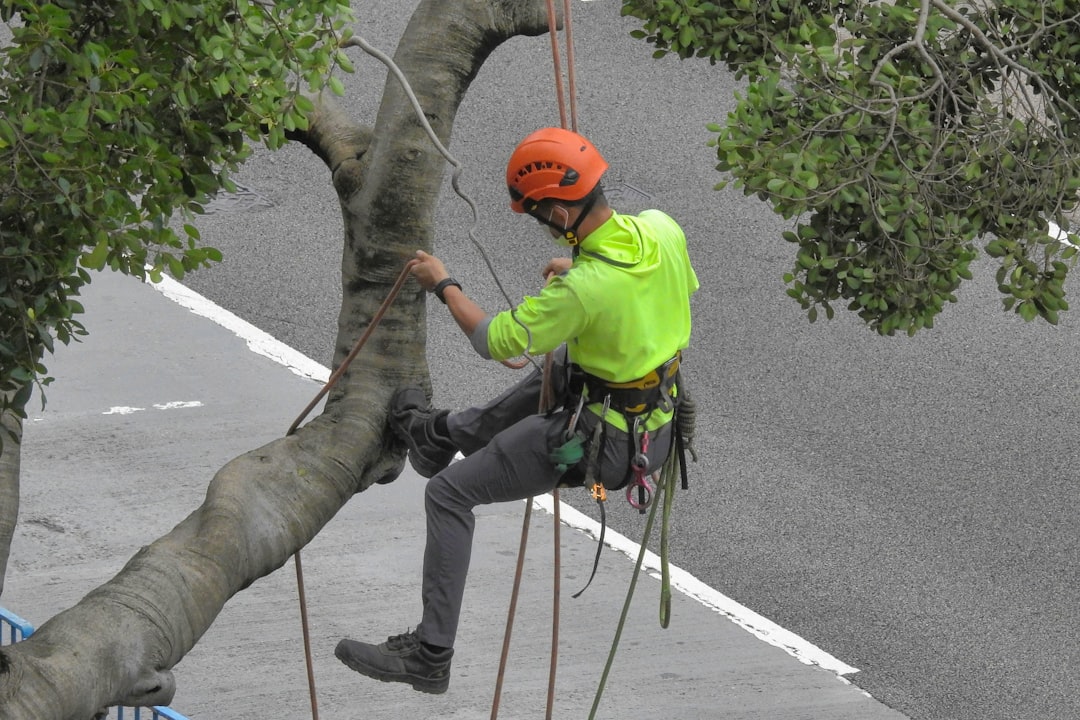
Professional crews use complex rigging techniques and rope systems to lower massive tree sections safely to the ground. This controlled dismantling protects your roof, driveway, and landscaping from damage.
Traffic control becomes crucial when trees near roads require attention. Professional companies understand local regulations and maintain proper signage, barriers, and flagging procedures.
Liability coverage protects you from financial disaster if something goes wrong. Tree work involves chainsaws, heavy equipment, and massive falling objects – accidents happen even with the best crews.
Workers’ compensation insurance shields homeowners from injury claims. If an uninsured worker gets hurt on your property, you could face personal liability for medical costs and lost wages.
ISA certification represents the gold standard for tree care professionals. International Society of Arboriculture credentials require extensive training, testing, and continuing education.
ANSI A300 standards provide scientifically-based guidelines for tree care practices. Companies following these standards use proven techniques that promote tree health and longevity.
Our Tree Hazard Assessment services help identify potential safety issues before they become expensive emergencies.
Why Certified Arborists Matter More Than General Contractors
Cutting down a tree and caring for a tree require completely different skill sets. Any contractor with a chainsaw can remove a tree, but only certified arborists understand how to keep your valuable trees healthy and safe for decades.
Tree biology knowledge separates professionals from weekend warriors. Certified arborists study how trees grow, respond to injury, and defend against diseases. This understanding helps them make pruning cuts that heal properly rather than creating entry points for pests.
Disease identification skills can save you thousands of dollars. What looks like a dying tree to an untrained contractor might actually need simple treatment that restores its health.
Proper cutting techniques affect your trees for years after the work is complete. Incorrect pruning cuts create weak points that fail during storms. Professional arborists understand branch collar location, seasonal timing, and species-specific requirements.
Risk assessment expertise allows certified professionals to spot hazards that others miss completely. Structural defects, root problems, and disease symptoms require trained eyes to evaluate properly.
Continuing education requirements ensure that certified arborists stay current with evolving research and industry best practices. Tree care science advances constantly, and professionals who maintain their credentials invest in ongoing learning.
The bottom line? A certified arborist approaches your trees as living assets that deserve professional care, while general contractors often see them simply as obstacles to remove.
Sustainability & Community Stewardship
Today’s best local tree service companies understand they’re not just cutting trees – they’re helping shape the environmental future of their communities. When we remove a tree, we think about what happens next. When we plant one, we consider how it will benefit the neighborhood for decades.
Native tree planting has become a cornerstone of responsible tree care. Massachusetts and New Hampshire have incredible native species like sugar maples, white oaks, and eastern hemlocks that naturally thrive in our climate. These trees create homes for local wildlife and require far less maintenance once established.
Debris recycling transforms what used to be waste into valuable resources for the community. Those wood chips from your neighbor’s oak removal make fantastic mulch for gardens. Larger pieces often become firewood or lumber for local craftspeople.
Carbon capture recognizes that every mature tree is like a natural air purifier working 24/7. A single large oak can absorb over 40 pounds of carbon dioxide each year. That’s why professional arborists work to save trees whenever possible through proper care rather than jumping straight to removal.
Community canopy preservation requires everyone working together – homeowners, tree services, and local officials. The tree cover in your neighborhood affects property values, energy costs, and even summer temperatures.
Watch this informative video about native tree benefits: Watch Planting Video Why Plant Native Trees?
How Local Companies Keep Neighborhood Trees Thriving
Keeping an entire neighborhood’s trees healthy requires looking beyond individual properties. Soil care programs address the foundation of tree health. Compacted soil from construction, road salt damage, and nutrient depletion affect trees throughout entire areas.
Drought mitigation has become increasingly important as New England experiences more frequent dry spells. Deep root watering systems, strategic mulching, and soil amendments help established trees weather tough conditions.
Pest management works best when entire neighborhoods participate. Tree diseases and insect infestations don’t respect property lines. Early detection and coordinated treatment prevent problems like emerald ash borer from devastating entire streets.
Storm preparation pruning removes weak branches and reduces wind resistance before nor’easters arrive. This proactive approach has prevented countless emergency calls and property damage throughout Massachusetts and New Hampshire communities.
Our comprehensive Tree Care Services include preventive programs that help maintain healthy urban forests throughout Massachusetts and New Hampshire communities.
Frequently Asked Questions about Local Tree Service Companies
How much does professional tree removal cost in MA & NH?
If you’re wondering about tree removal costs in Massachusetts and New Hampshire, you’re not alone – it’s the first question most homeowners ask! The truth is, pricing varies quite a bit depending on what you’re dealing with.
Based on internet data, you can expect to pay anywhere from $200 for a small tree to over $6,000 for massive trees that need crane work. These are average costs based on internet data and not actual costs for specific companies like AA Tree Service.
Here’s how it typically breaks down: Small trees under 30 feet usually run $200-800, while medium-sized trees (30-60 feet) fall in the $500-1,500 range. When you get into large trees over 80 feet, that’s where costs can really climb – often $1,500-6,000 or more.
What drives these price differences? Accessibility plays a huge role – a tree in your front yard with easy street access costs much less than one squeezed between your house and fence. Proximity to structures also matters because it requires more careful, time-consuming work. Don’t forget about permit requirements in some Massachusetts and New Hampshire communities, plus debris disposal costs.
Emergency removals after storms typically cost more due to the urgency and additional safety precautions required. Nobody wants to pay extra, but when a tree is threatening your home, quick action becomes priceless.
What certifications and insurance should a reputable tree service carry?
This question could save you thousands in potential headaches! A reputable local tree service company should have ISA (International Society of Arboriculture) certification for their arborists. This isn’t just a fancy piece of paper – it means they actually understand tree biology and proper care techniques.
TCIA (Tree Care Industry Association) accreditation for the company itself shows they follow industry safety standards and best practices. Think of it as a quality seal that separates professionals from folks with chainsaws and pickup trucks.
Insurance is absolutely critical, and here’s where many homeowners get burned. You need to see proof of general liability coverage – typically $1 million or more – plus workers’ compensation for all employees. Don’t just take their word for it; request current certificates and verify coverage directly with their insurance company.
Additional certifications might include state-specific licenses, pesticide application permits, and specialized equipment operator certifications. Professional companies maintain all required credentials and provide documentation without hesitation. If they seem reluctant to show you their paperwork, that’s a red flag waving right in front of you.
When is the best season for pruning or removal in New England?
Timing matters more than you might think in our New England climate! Late fall through early spring provides the sweet spot for most tree work in Massachusetts and New Hampshire. This dormant season timing minimizes stress on trees and gives crews better visibility without all those leaves in the way.
Winter removal offers some nice advantages: reduced costs due to lower seasonal demand, easier access through bare branches, and minimal impact on nesting birds and wildlife. The downside? Weather delays can stretch your project timeline when storms roll through.
Emergency work happens year-round regardless of season – safety concerns trump optimal timing every time. When storm damage threatens your property, you can’t wait for perfect weather conditions.
Species-specific timing does matter for certain trees. Maples and birches, for example, should avoid spring pruning when sap flow is heavy (unless you want a sticky mess). Flowering trees benefit from post-bloom pruning to maintain next year’s beautiful display.
The bottom line? While there are ideal times for routine work, professional tree services like those operating in Massachusetts and New Hampshire can work safely in most conditions when proper precautions are taken.
Conclusion
Finding the right local tree service company gives you something priceless: complete peace of mind about your property’s safety and your trees’ health. When you work with professionals who understand Massachusetts and New Hampshire’s unique climate challenges, you’re investing in expertise that protects both your landscape and your wallet.
The gap between professional arborists and weekend contractors becomes crystal clear when emergencies strike. While anyone can swing a chainsaw, it takes real skill to safely remove a 60-foot oak near your house or diagnose why your prized maple is declining. Professional tree care means getting it done right the first time – no second chances, no costly mistakes.
Smart homeowners take their time to request multiple quotes and verify credentials before choosing a tree service. Those free estimates don’t just save you money upfront – they help you understand exactly what your trees need and why. When storms threaten, having a trusted company with 24/7 emergency response makes all the difference between minor cleanup and major property damage.
At AA Tree Service, we’ve spent over 20 years earning the trust of homeowners throughout Massachusetts and New Hampshire. Our certified arborists, comprehensive insurance coverage, and genuine commitment to customer satisfaction aren’t just business practices – they’re promises we keep every single day.
Whether your trees need routine pruning, emergency removal, or expert health assessment, professional care protects your property investment while keeping your family safe. The peace of mind that comes from working with experienced professionals is worth every penny.
Ready to give your trees the professional attention they deserve? Our free same-day quotes and 24/7 emergency response mean you’re never more than a phone call away from expert help.
For immediate assistance or emergency tree situations, visit our Emergency Tree Removal Service page or call our 24/7 emergency line. Your trees – and your peace of mind – will thank you.